Politics
Rubio says Colombian activist’s detention supports U.S. foreign policy
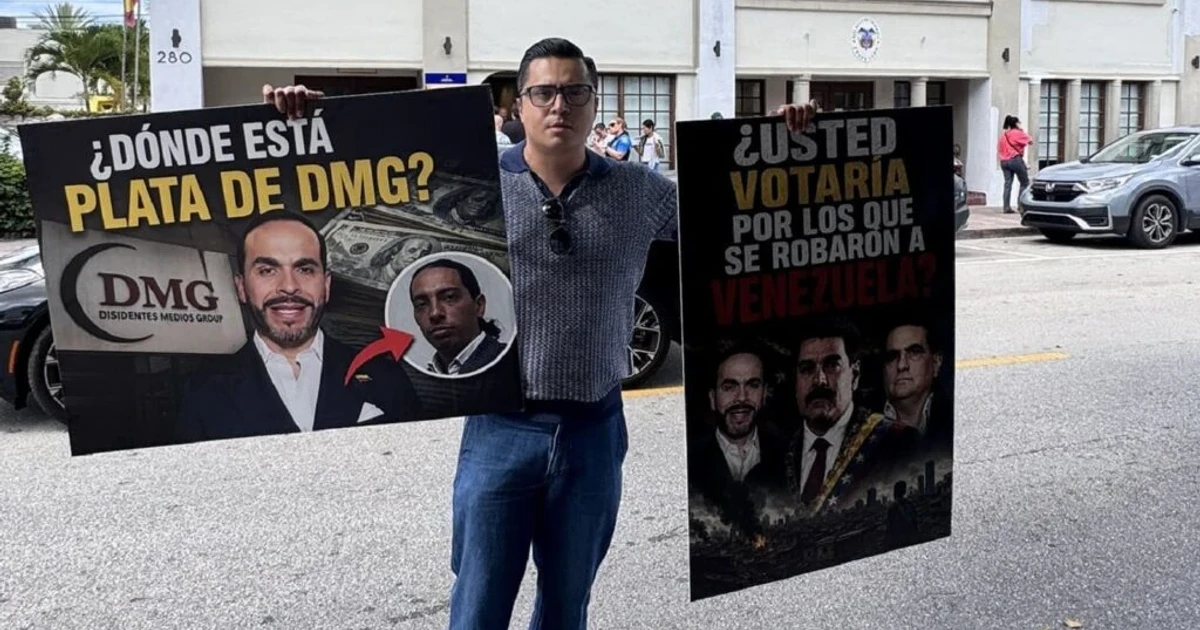
A Colombian activist’s arrest in Phoenix has become a fight over immigration power, foreign-policy discretion and political speech. Secretary of State Marco Rubio said Beto Coral’s criticism of a presidential candidate in Colombia undermined U.S. foreign policy, even as federal authorities said the detention was tied to Coral’s immigration status.
Coral, also identified as Franklin Humberto Coral Garrido, was detained by U.S. immigration agents in Phoenix, Arizona, on June 16, 2026. The Department of Homeland Security said he had overstayed his visa for about 10 years, and immigration authorities were processing him for possible deportation. Coral’s case did not remain a routine enforcement action for long: it quickly became a political flashpoint in both Colombia and the United States.
The timing sharpened the dispute. Coral had publicly campaigned against Colombian presidential candidate Abelardo de la Espriella in Miami, and his allies alleged that Rubio personally ordered or approved the action. Coral, described in reporting as a Colombian political activist, attorney, former congressional candidate and prominent pro-Petro influencer, had long been a visible figure in Colombia’s polarized political debate. His detention now sits at the intersection of that activism and U.S. immigration authority.
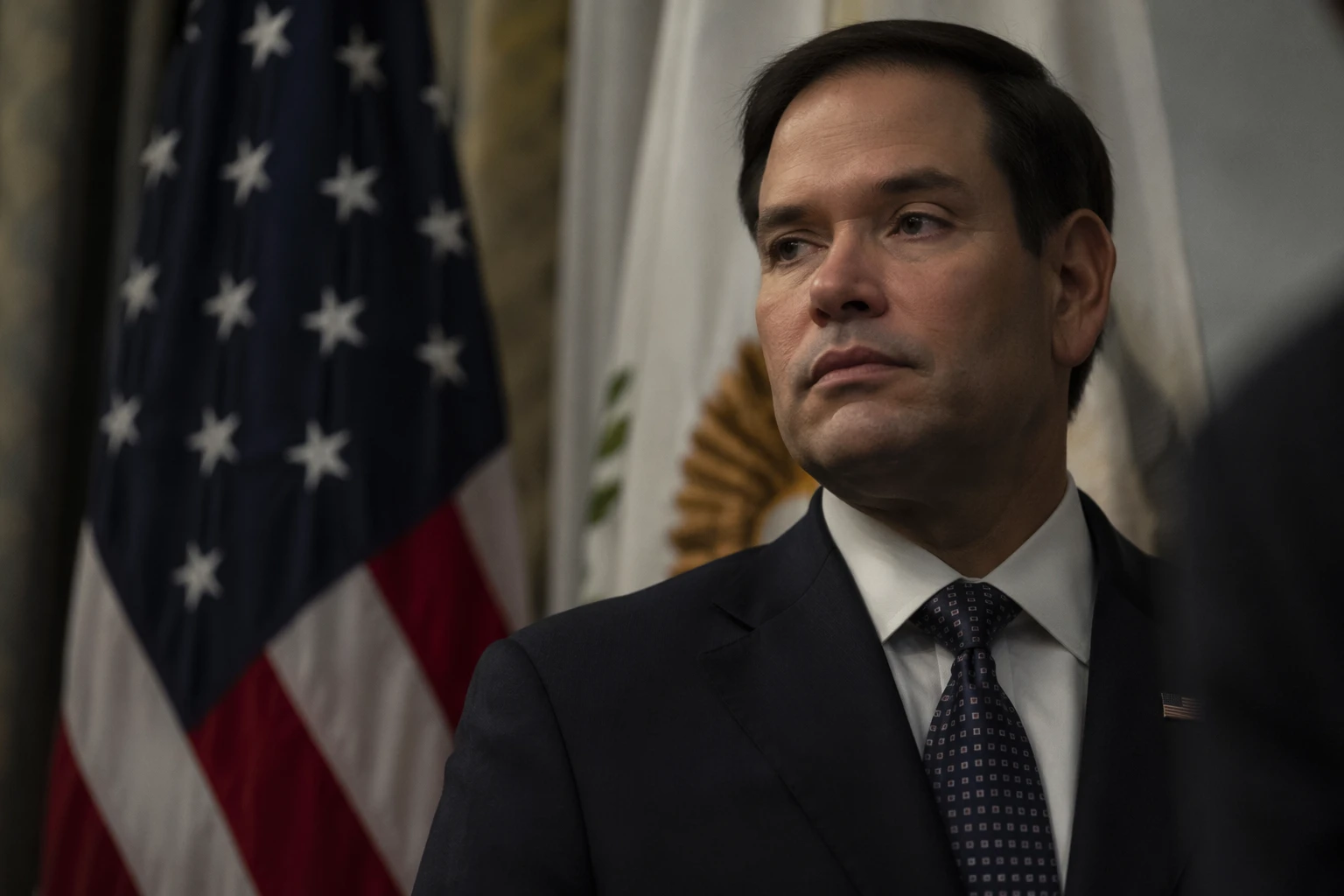
President Gustavo Petro denounced the detention as political persecution and asked Colombia’s foreign ministry to intervene. Colombia’s embassy in Washington said it had activated consular assistance for Coral, while consular officials moved to track his case. The U.S. government, by contrast, defended the detention as an immigration-related matter, not a punishment for political views.
That distinction is what has turned Coral’s case into a test of precedent. Rubio’s rationale, as described in reporting, linked Coral’s criticism of a political figure in his home country to U.S. foreign-policy interests, suggesting a theory in which the government can treat some political activity by a foreign national as adverse to the national interest. Critics in Colombia have seized on that argument as a warning sign, asking how far immigration enforcement can go before it collides with protected political expression.

The controversy deepened when Coral’s family later said he had been transferred again and that they did not know his whereabouts. For Colombia’s government, that uncertainty added urgency to its intervention. For U.S. officials, the case remained grounded in immigration law. Between those positions lies the central unresolved question: whether criticism of a foreign political ally can be treated as a basis for detention in the United States, or whether that line would mark a dangerous expansion of executive power.
Sources
- [1]nytimes.com
- [2]infobae.com
- [3]semana.com