World
Rubio to host 70-country summit on far-left terrorism threat
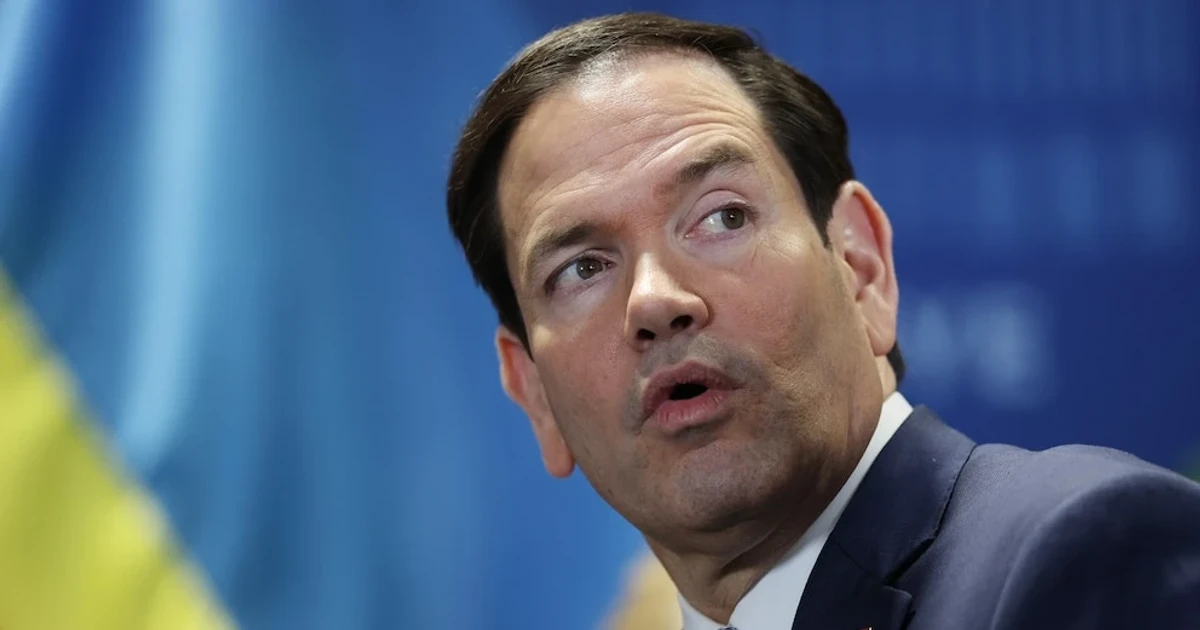
Secretary of State Marco Rubio will host delegations from more than 70 countries at the State Department in Washington, D.C., on July 15 and 16 for a summit built around the Trump administration’s claim that transnational far-left terrorism is a growing threat. The gathering is designed to push intelligence sharing and law enforcement cooperation, with officials describing it as groundwork for coordinated action against politically motivated violence.
The invitation list reaches across most of Europe, several major Latin American countries and Asian partners including India, Indonesia and Singapore. The scale of the guest list underscores how the administration wants to move the issue beyond U.S. domestic politics and present it as an international security problem, even as some allies have responded with skepticism or discomfort.
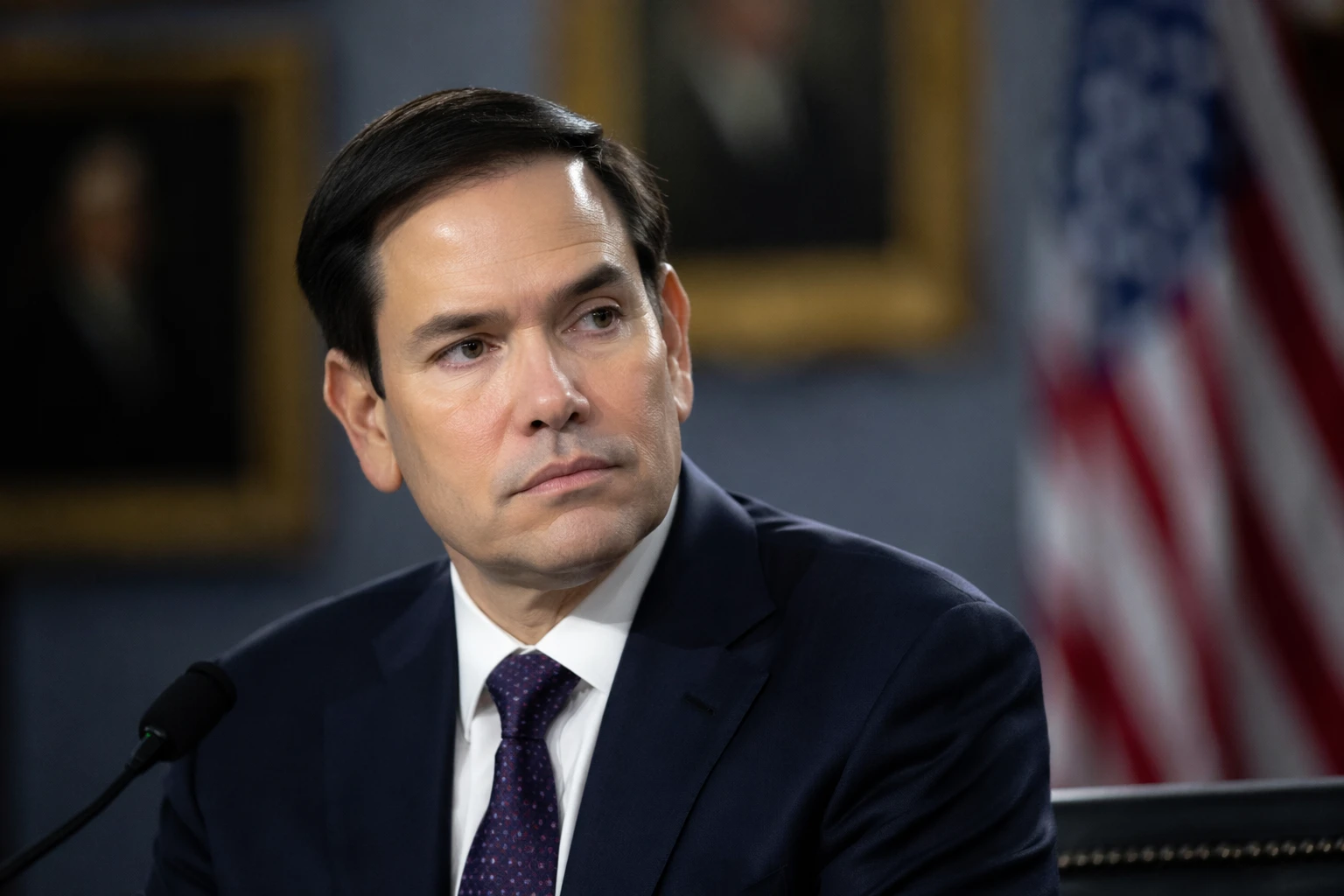
The White House has already taken a hard line. In September 2025, President Donald Trump signed an executive order designating antifa as a domestic terrorist organization, a label legal experts have said has no formal legal status under federal law. A Trump administration counterterrorism strategy unveiled in May 2026 then elevated politically motivated violence as a major concern, setting the stage for this week’s meeting and the broader effort to fold far-left movements into a global counterterrorism frame.
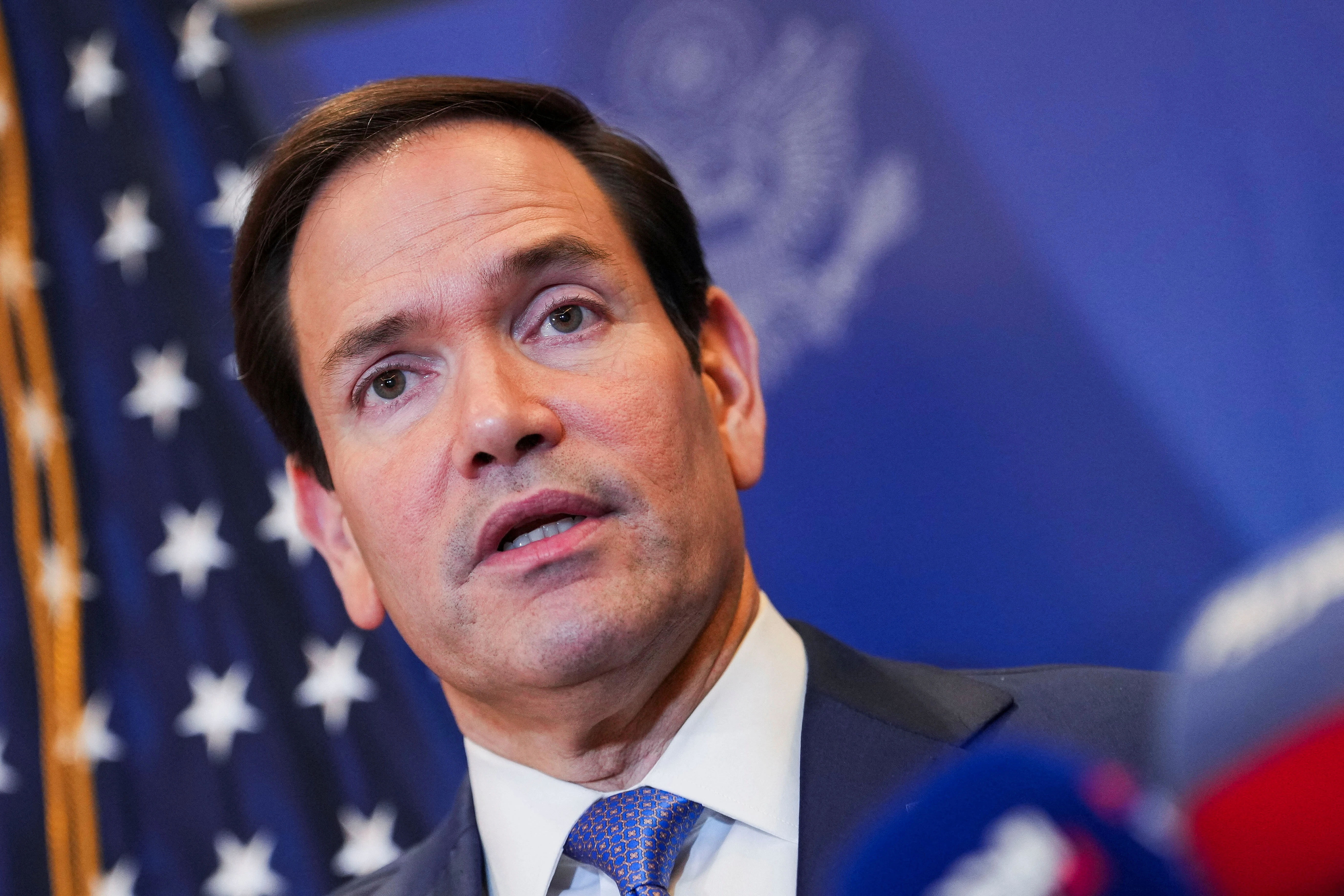
State Department spokesperson Tommy Pigott defended the initiative by calling it “an old threat re-emerging with strong transnational links and new convergences.” That language is central to the administration’s case that far-left networks are not only a domestic protest movement but part of a more organized international threat environment. Critics inside and outside government, however, have questioned whether the move reflects a substantive shift in threat analysis or a selective political reframing of counterterrorism priorities.
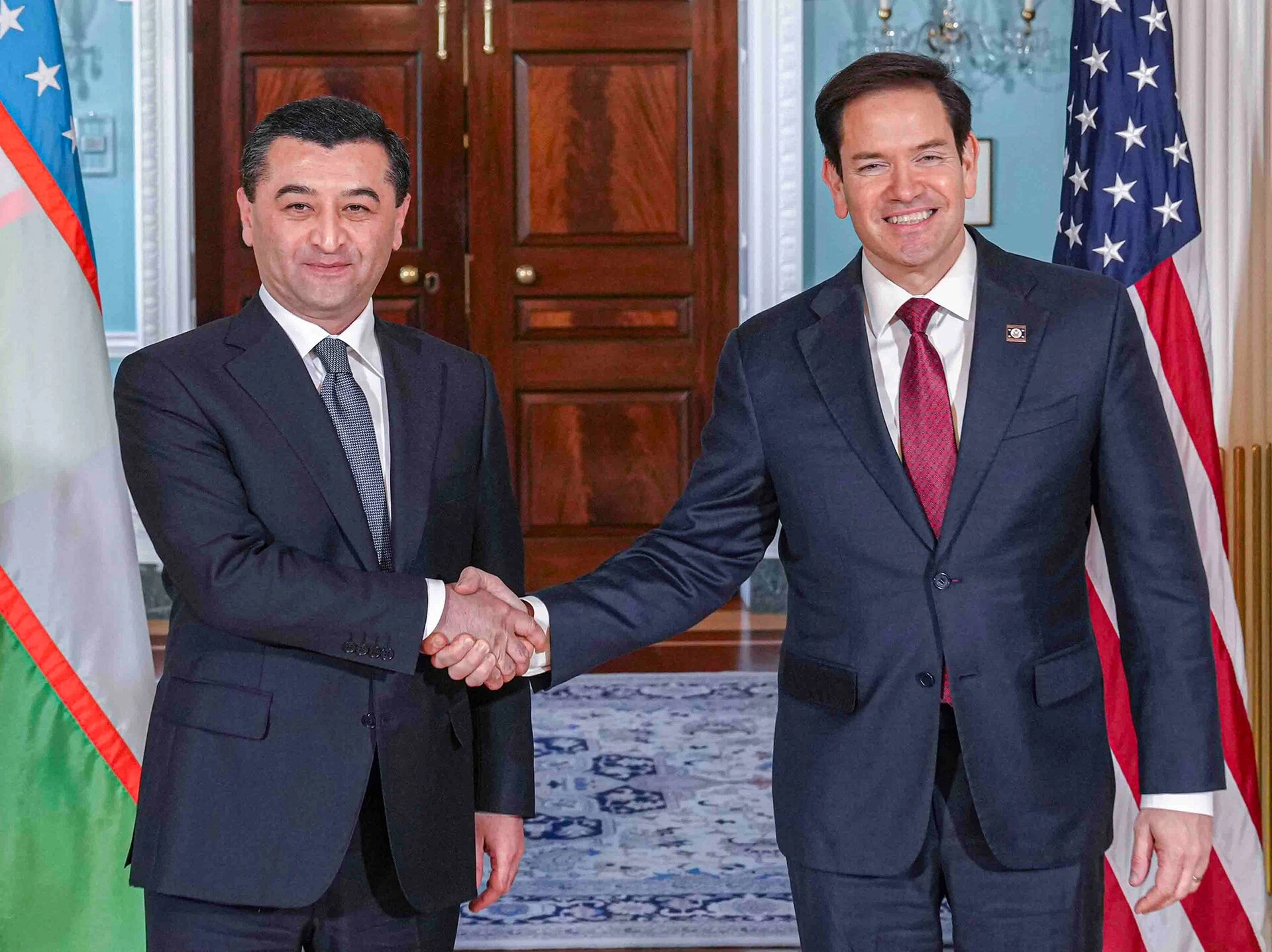
Some U.S. and European officials have reacted coolly to the idea, and the initiative has unsettled allies who are wary of importing American ideological fights into security cooperation. One concern circulating inside the administration is that a future Democratic government could use the same approach against conservative activists. For Rubio, the summit turns that dispute into diplomacy, placing a contested domestic label at the center of a 70-country security gathering.
Sources
- [1]abcnews.com
- [2]usnews.com
- [3]timesnownews.com
- [4]thewire.in
- [5]whitehouse.gov
- [6]cbsnews.com