World
Rubio to meet Wang Yi at ASEAN talks amid U.S.-China tensions

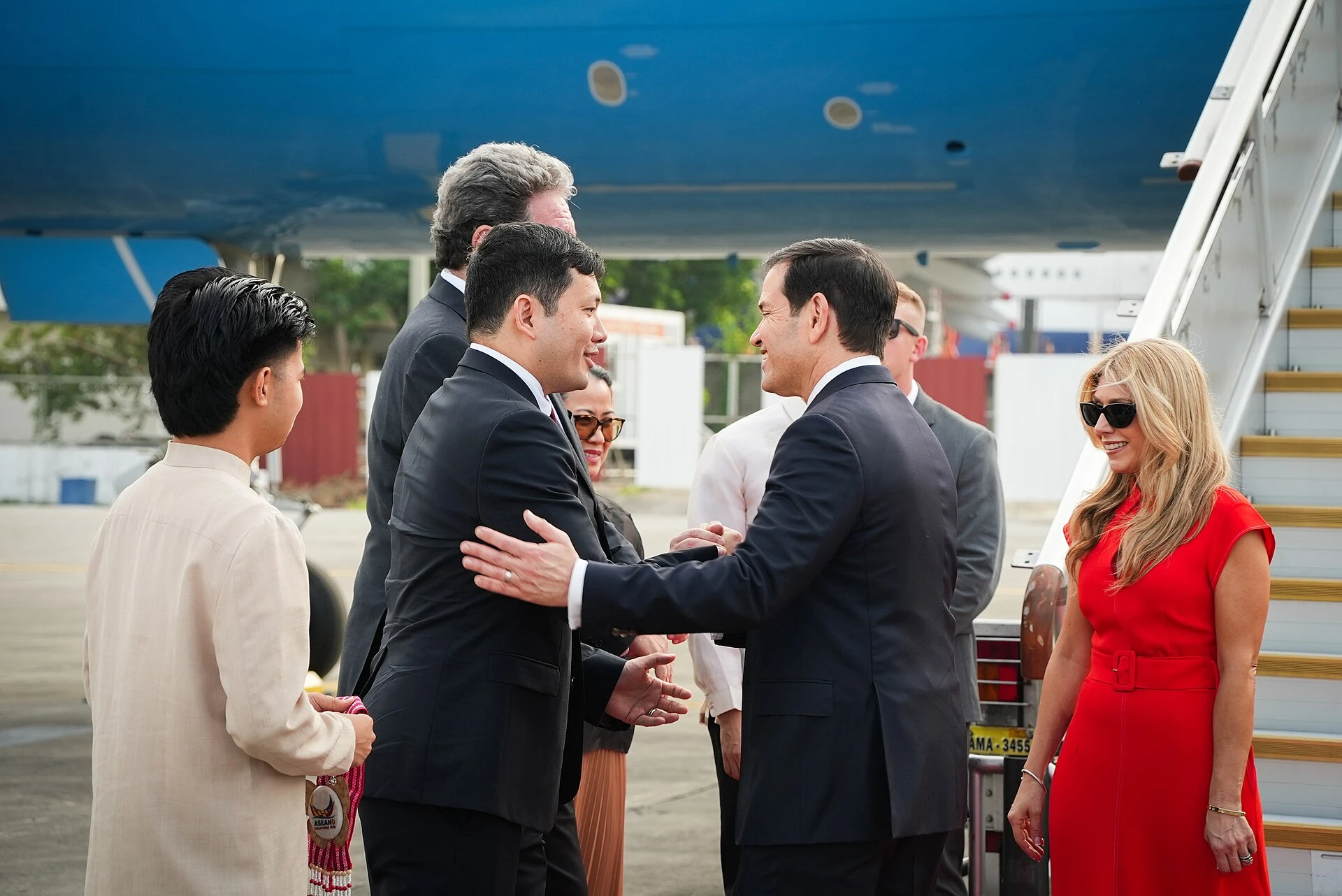
Marco Rubio was set to meet China’s Foreign Minister Wang Yi on the sidelines of ASEAN talks in Manila as Washington and Beijing pressed competing claims over trade, technology and security in Southeast Asia. The encounter came during the 59th ASEAN Foreign Ministers’ Meeting and Related Meetings, with both sides needing a channel that could keep tensions from spilling further across the region.
The agenda around the Rubio-Wang meeting reached well beyond one bilateral conversation. Tariffs, trade barriers, export controls on advanced technology, semiconductor supply chains, Taiwan, the South China Sea and each side’s effort to keep regional partners from drifting toward the other camp all hung over the Manila gathering. For ASEAN governments, the immediate question was whether the two powers could speak to one another without forcing Southeast Asian states to choose sides.
ASEAN’s own diplomatic machinery gave the meeting added weight. The ASEAN Foreign Ministers’ Meeting, established by the Bangkok Declaration in 1967, is responsible for the bloc’s political-security cooperation and external relations. It meets at least four times a year and can convene special meetings when necessary, making it one of the few standing forums where major powers must engage a broader regional audience, not just each other. The ASEAN website said the secretary-general was invited to participate in the Manila meetings by Philippines foreign minister and AMM chair Ma. Theresa P. Lazaro.
Rubio and Wang had already met in Malaysia in July 2025, when Rubio described the talks as “positive and constructive.” He later said the odds of a leaders’ meeting were high. That earlier exchange kept the diplomatic channel open even as tariff and security disputes deepened, and it gave the Manila meeting added significance as both governments returned to an ASEAN venue to manage the rivalry.
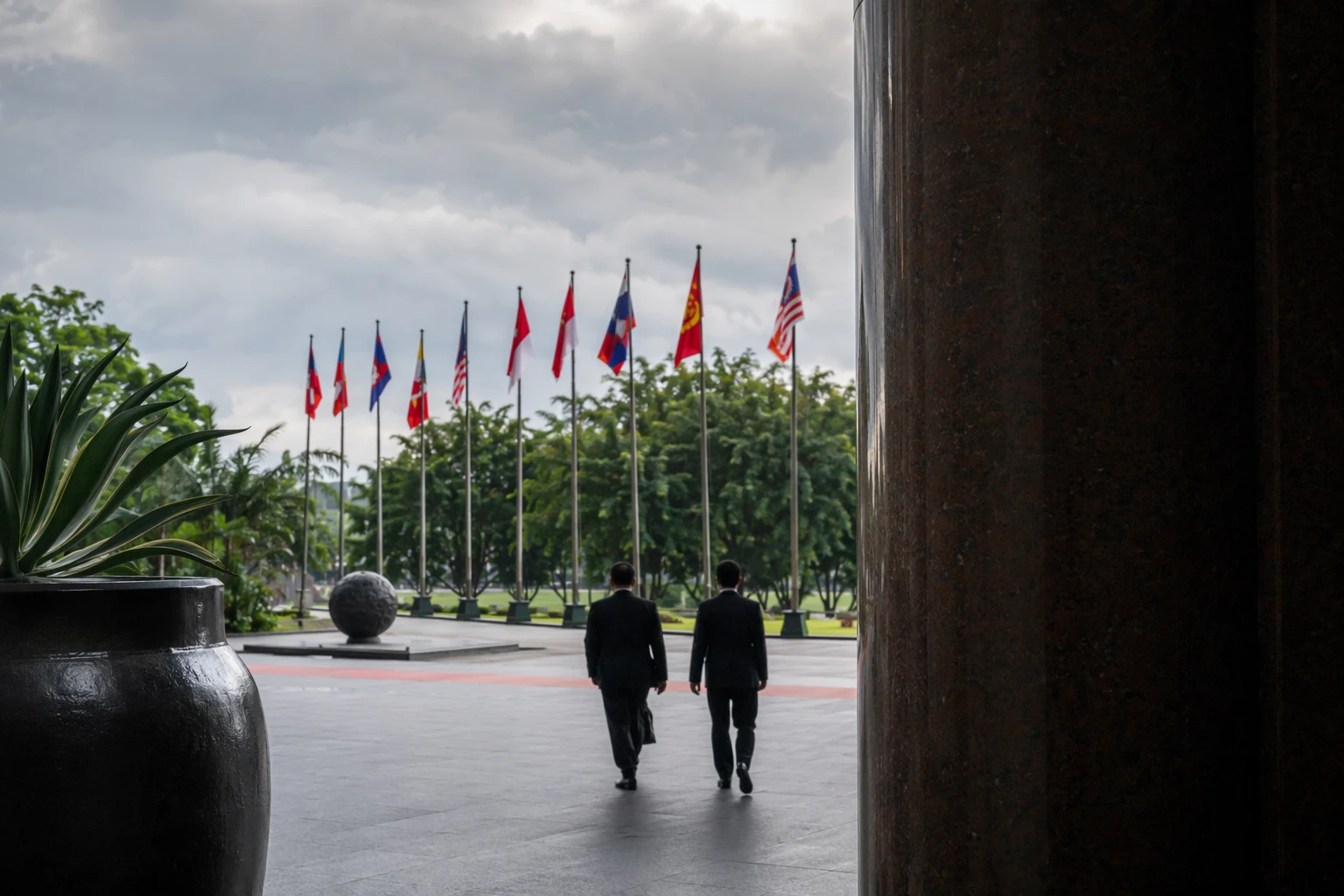
The broader setting underscored why ASEAN matters to both capitals. The bloc’s 10 member states are Brunei, Cambodia, Indonesia, Laos, Malaysia, Myanmar, the Philippines, Singapore, Thailand and Vietnam, a span that makes its meetings a practical arena for signaling across the region. ASEAN foreign ministers were already voicing concern over tariffs and trade tensions in July 2025, reflecting how directly U.S.-China friction hits the region’s economic and security calculations.
If Rubio and Wang used Manila to keep communications open, ASEAN would again have shown it can do more than host a photo-op. If the meeting merely hardened positions, it would leave Southeast Asia more exposed to the rivalry both powers are trying to shape.
Sources
- [1]reuters.com
- [2]asean.org
- [3]abcnews.com
- [4]cfr.org
- [5]straitstimes.com