Politics
Rubio urges global coalition against far-left extremism
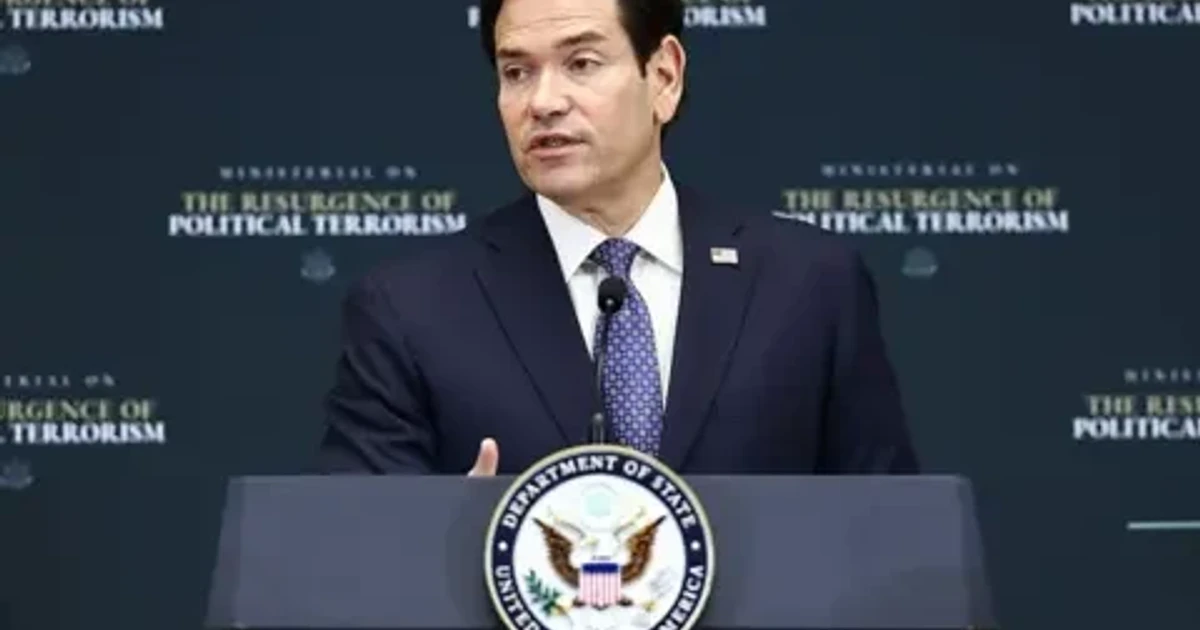
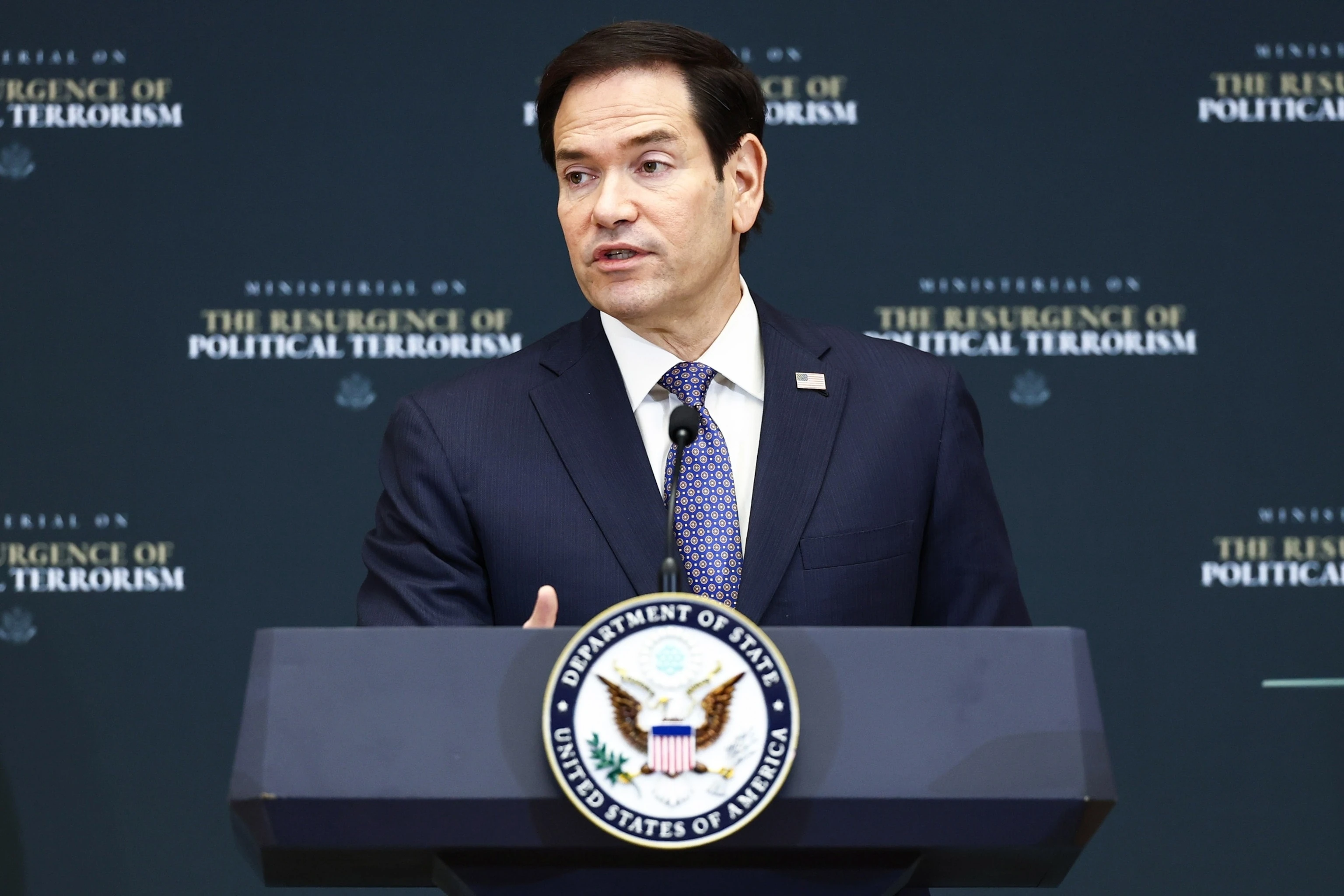
Marco Rubio used a State Department ministerial in Washington, D.C., to press officials from more than 60 countries to coordinate against what he called far-left terror. At the Ministerial on the Resurgence of Political Terrorism on July 16, the secretary of state cast the issue as a cross-border security problem, not a narrow domestic argument.
The label itself remained broad. The State Department said far-left political terrorism was “resurgent” and spread across the Western Hemisphere, Europe, Asia and beyond. A State Department post on X said the idea that far-left terrorism could be a serious threat had long been treated as a “right-wing fever dream,” a phrase that underscored how politically charged the definition remains.
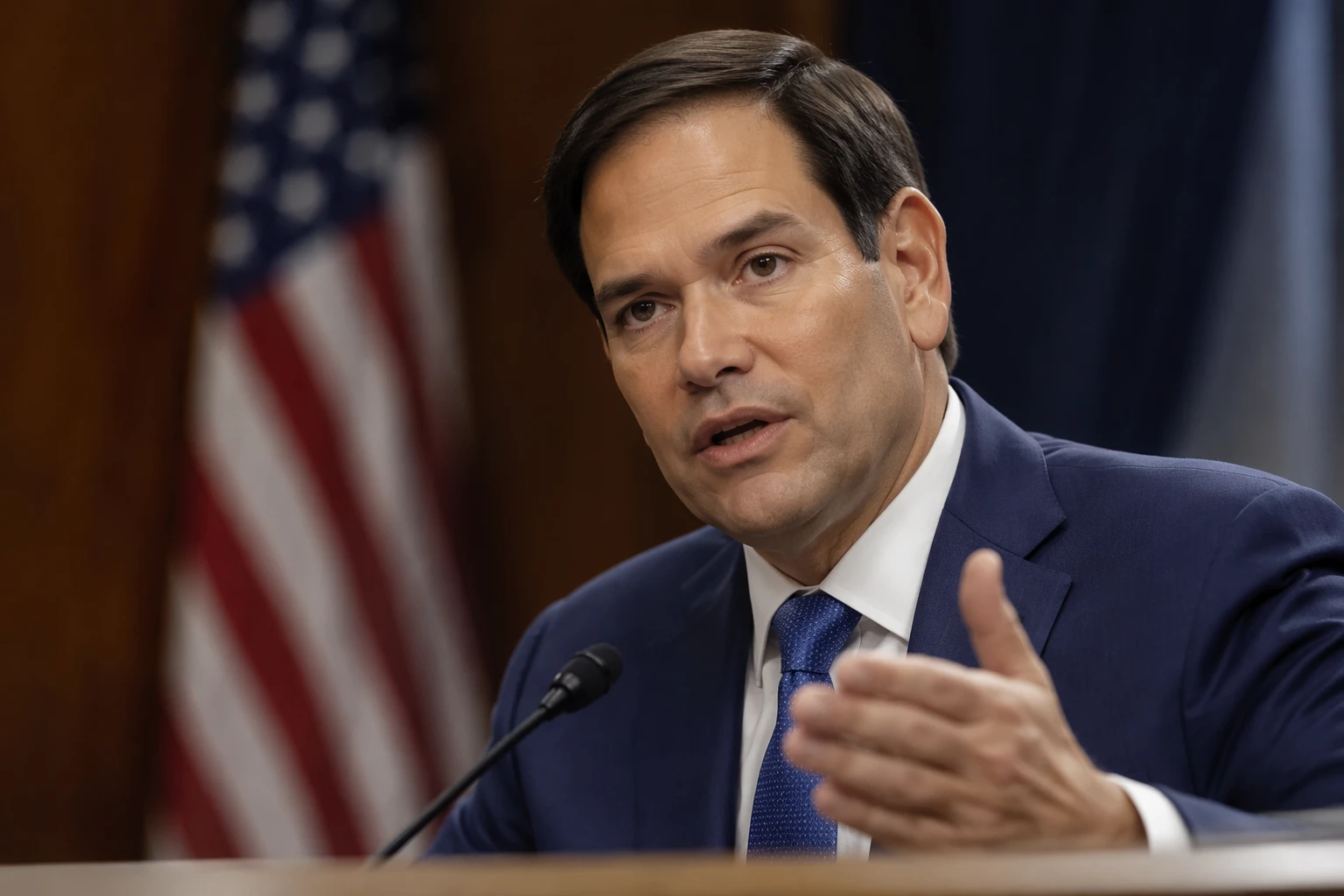
Rubio’s push was built around cooperation. Reuters said he told officials from more than 60 countries that leftist violence had been overlooked, while ABC News said he was preparing to host delegations from more than 70 countries and that internal documents described the meeting as laying groundwork for coordinated action. Al Jazeera said more than 65 countries were expected to attend. That kind of gathering can shape intelligence sharing, visa policy and how counterterrorism money is directed.
The scale of the warning is now part of the debate over whether the threat is being measured by evidence or by ideology. Counterterrorism experts cited by NBC News said the administration’s focus lacked context about the wider extremist threat landscape. PBS News said studies show very few reported cases of such incidents in the United States, especially compared with historically higher levels of far-right violence.

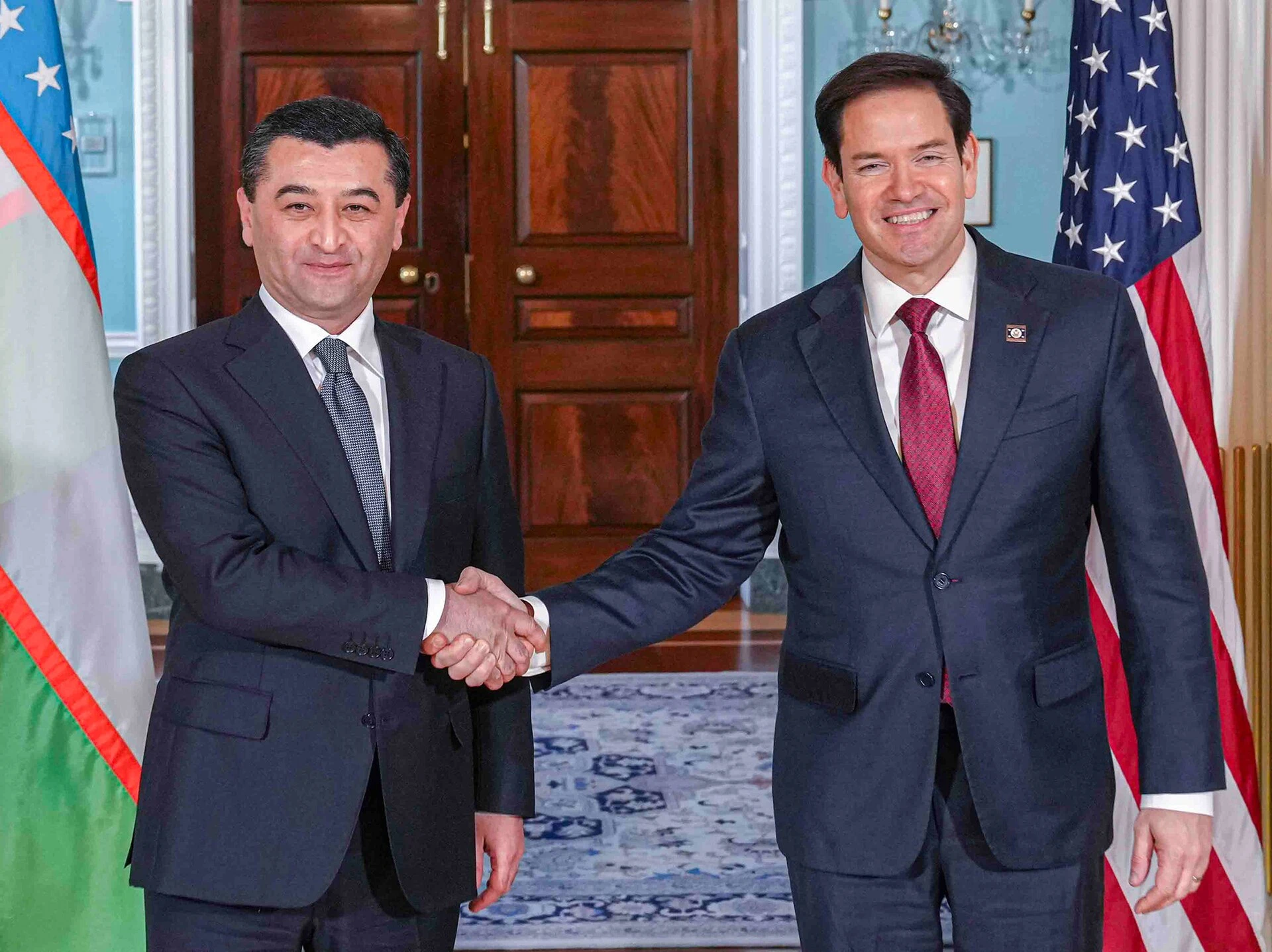
The Hill described the ministerial as an international response and said it marked an expansion of Donald Trump’s focus on left-wing political violence. Rubio’s remarks placed the State Department at the center of a larger effort to persuade allies to adopt the same framing, even as the public record on arrests and violence data points to a more limited pattern than the rhetoric suggests.
Sources
- [1]bbc.com
- [2]reuters.com
- [3]abcnews.com
- [4]aljazeera.com
- [5]state.gov
- [6]x.com
- [7]nbcnews.com
- [8]pbs.org