World
Rubio vows to dismantle International Criminal Court brick by brick
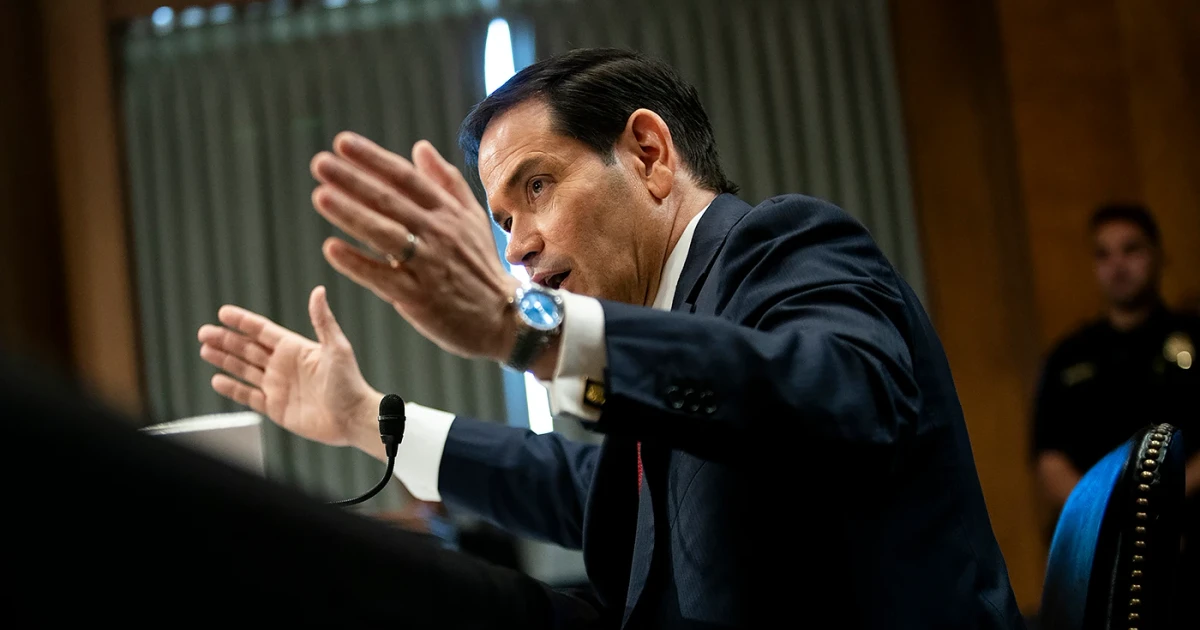
Secretary of State Marco Rubio said the United States would “dismantle” the International Criminal Court “brick by brick, if necessary” as the Trump administration opened a new campaign to isolate the Hague-based tribunal. The move raises the stakes far beyond one court case: it challenges the machinery built to prosecute genocide, war crimes, crimes against humanity and the crime of aggression, and it tests how far Washington is willing to go against an institution meant to outlast any single administration.
Rubio on Monday tied the effort to a broader diplomatic push to work with allies and press other countries to reject the court’s authority. The Justice Department said on July 2, 2026, that the United States “rejects any assertion of jurisdiction” by the ICC over Americans, repeating that the United States is not a party to the Rome Statute and never consented to the court’s authority. In practical terms, dismantling the court would mean more than hostile rhetoric: it would mean sanctions, diplomatic pressure and efforts to persuade governments to cut cooperation with prosecutors and judges.

The campaign builds on a sequence of earlier confrontations. President Donald Trump signed Executive Order 14203 in February 2025, and by December 18, 2025, the United States had expanded sanctions to more ICC judges, according to the United Nations human rights office. In June 2026, three sitting ICC judges sued over those sanctions in New York, a case that put the personal cost of Washington’s pressure campaign on display. U.N. human rights experts have said the sanctions undermine judicial independence, while the ICC has said its work depends on state cooperation.
The clash sharpened after ICC judges on November 21, 2024, issued arrest warrants for Israeli Prime Minister Benjamin Netanyahu and former defense minister Yoav Gallant, rejecting Israel’s jurisdictional challenges the same day. The court said the warrants were tied to alleged war crimes and crimes against humanity in Gaza. Washington rejected that decision, and the dispute has become one of the most volatile fronts in U.S.-ICC relations, alongside the court’s long-running scrutiny of alleged abuses involving U.S. forces in Afghanistan.

The latest escalation lands as the court itself faces strain. On July 1, 2026, the ICC Assembly of States Parties said Burkina Faso, Mali and Niger had withdrawn from the Rome Statute. For a legal order built after World War II to make wartime accountability less dependent on battlefield power, the U.S. campaign signals a willingness to weaken one of the few permanent institutions designed to prosecute atrocity crimes, even as Washington continues to demand that rivals answer for them.
Sources
- [1]nytimes.com
- [2]usnews.com
- [3]icc-cpi.int
- [4]ohchr.org
- [5]justice.gov
- [6]asp.icc-cpi.int