Sports
Rudiger joins UN refugee agency’s football team for displaced players
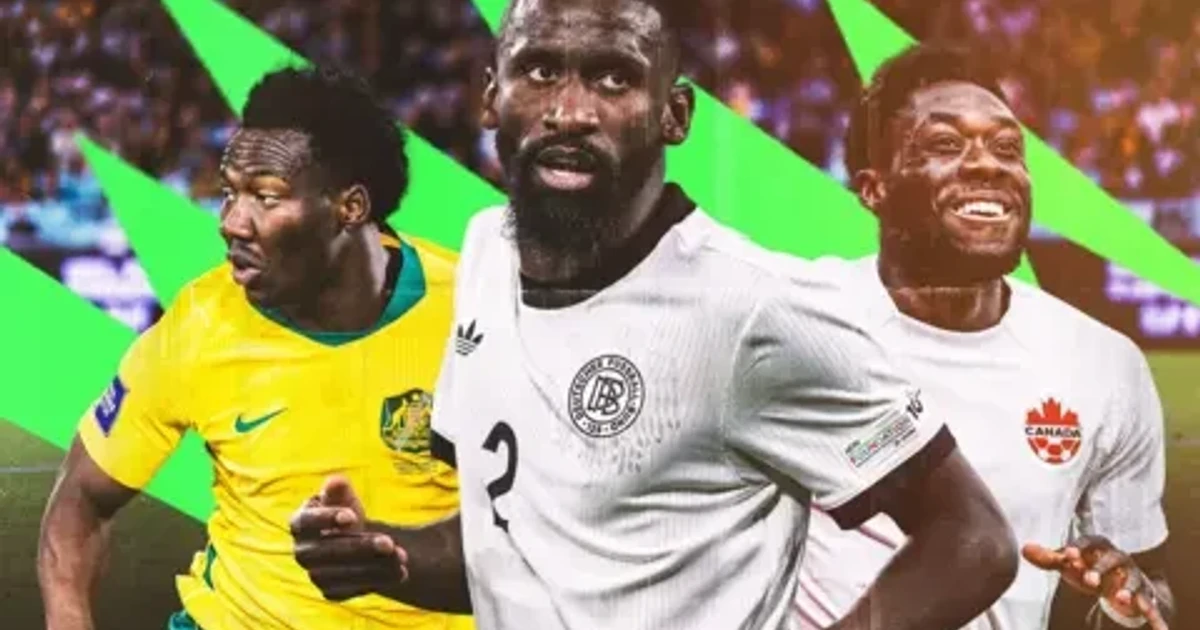
Antonio Rüdiger’s family history was placed at the center of football’s biggest stage as the UN refugee agency added the Germany defender to its symbolic “Gamechanging Team” of players with refugee or displacement backgrounds. The roster was launched in May 2026 ahead of the FIFA Men’s World Cup 2026 and UN World Football Day on 25 May, with the agency saying it was meant to show what becomes possible when young people displaced by war and persecution find safety, opportunity and welcome.
The team is captained by Alphonso Davies, who was born in a refugee camp in Ghana after his parents fled war in Liberia and later resettled in Canada. It also includes Real Madrid’s Eduardo Camavinga, born in Angola during the civil war, and Asmir Begović, who fled Bosnia at age four and later represented Bosnia and Herzegovina at their first World Cup. Together, the players put individual migration stories on a global platform that will only grow larger in 2026, when the World Cup becomes the first to feature 48 teams and three host countries, Canada, Mexico and the United States.
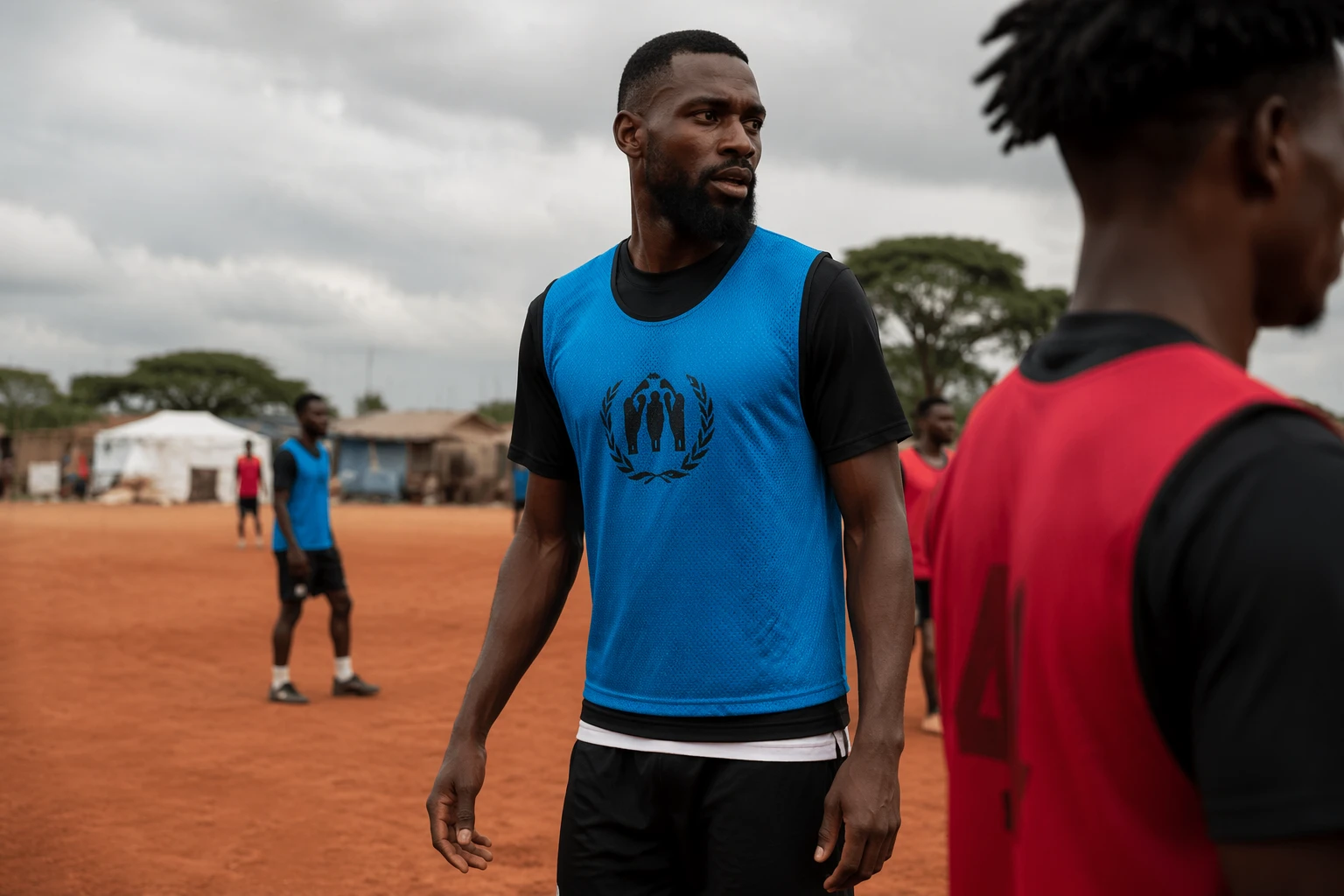
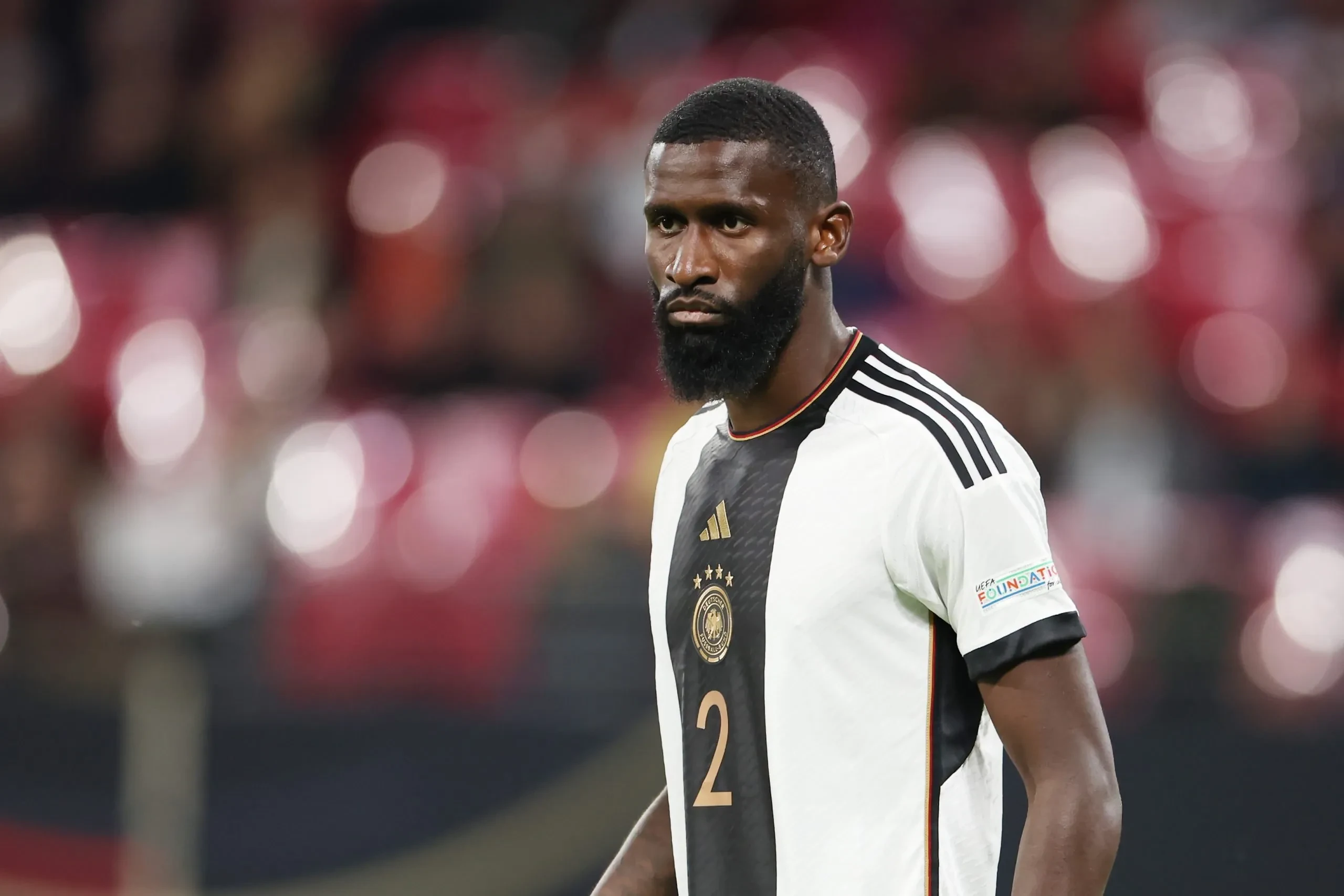
Rüdiger’s own path gives the campaign its sharpest edge. Born on 3 March 1993 in Berlin, he said his parents escaped Sierra Leone’s civil war for a better life in Germany. That war began in 1991 and ended in 2002, leaving an estimated 50,000 to 70,000 people dead and about 2.5 million displaced. His inclusion turns a family story that might otherwise remain private into a public counterpoint to the abstract language often used around refugees in political debate.
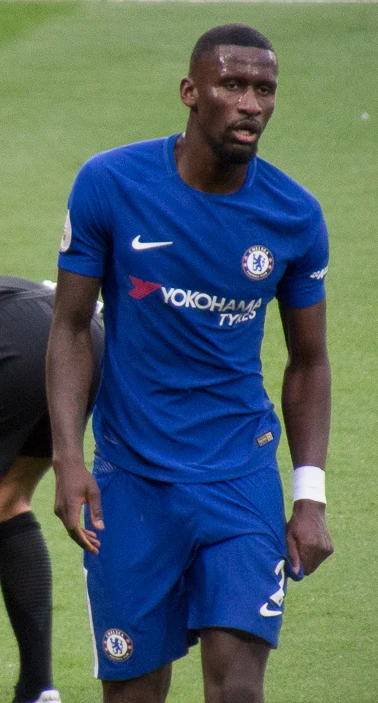
UNHCR says more than 117 million people worldwide are forcibly displaced, a figure that underscores how ordinary Rüdiger’s experience is and how rare his visibility remains. The team’s message is not only about survival, but about integration and identity, and about what happens when institutions make room for displaced people to be seen as contributors rather than burdens. In that sense, the campaign uses football’s reach to challenge the gap between public rhetoric and lived experience, showing that the long aftermath of war can include not only loss and flight, but belonging, achievement and influence.
Sources
- [1]bbc.com
- [2]unhcr.org
- [3]news.un.org
- [4]fifa.com
- [5]britannica.com
- [6]theadvocatesforhumanrights.org
- [7]realmadrid.com