Business
Rupee hits six-week high as exporters, oil boost currency
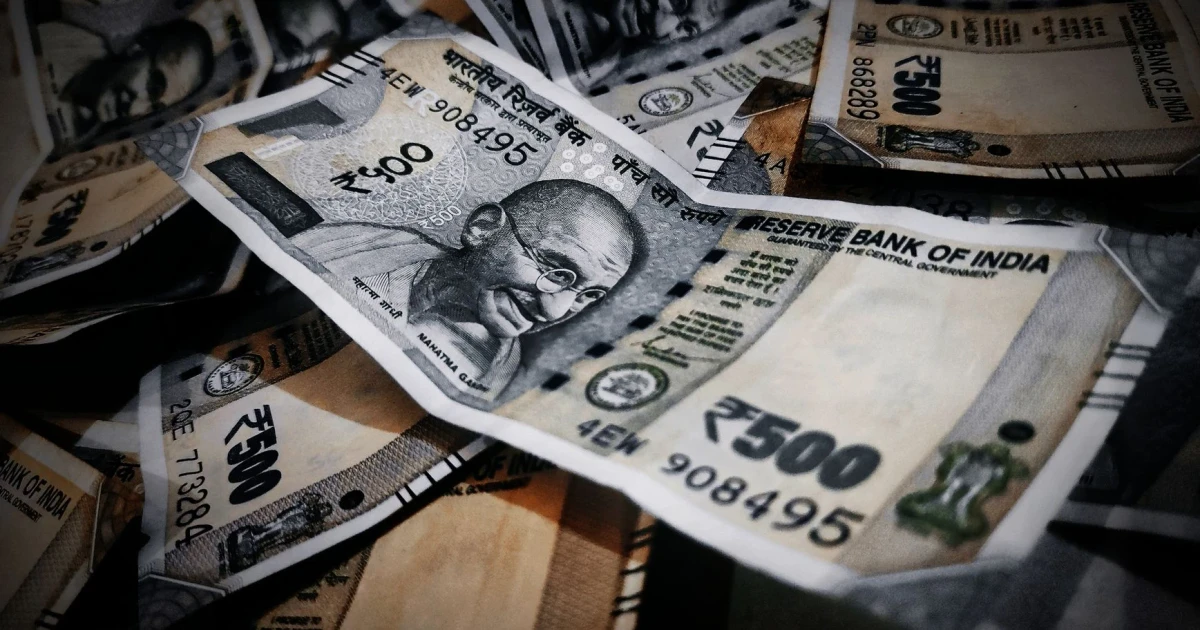
Exporter dollar sales and offshore short-covering pushed the rupee to its strongest level in six weeks on Thursday, even after the Federal Reserve delivered a hawkish message that initially lifted U.S. yields and the dollar. The currency climbed to an intraday high of 94.2175 per dollar, its best level since May 7, before easing to around 94.29 and later ending the session firmer.
The Fed backdrop was not friendly. Nine of the 18 officials projected at least one rate hike this year, a sharper stance than markets had expected, and that first jolted the dollar higher. But the move did not hold. A private-sector currency trader in Mumbai said exporters were "doing the most damage" to the dollar-rupee pair, while broad offshore selling suggested long dollar positions were being unwound.

That selling pressure was reinforced by lenders and exporters cutting dollar holdings aggressively, adding to fixing-related flows that amplified the rupee’s advance. Reuters later reported the currency closed at 94.3325, up 0.2% on the day, and that it had gained 1.5% over the previous five sessions, the rupee’s longest winning streak in a year.
Oil also helped. Brent futures fell 2.5% to $77.58 a barrel after the United States and Iran signed an interim peace deal, a drop that matters for India because cheaper crude can reduce the import bill, ease pressure on the current account and slow inflation. With India still heavily dependent on imported energy, every fall in oil prices tends to give the rupee more breathing room.
Policy support has also stayed in the background. The Reserve Bank of India left its repo rate unchanged at 5.25% at its June 5 meeting, while market notes pointed to RBI measures aimed at boosting foreign-currency inflows and expectations for FCNR-B deposit inflows as additional support for the currency. Those flows have not changed the broad picture on their own, but they have helped the market absorb bouts of dollar demand.
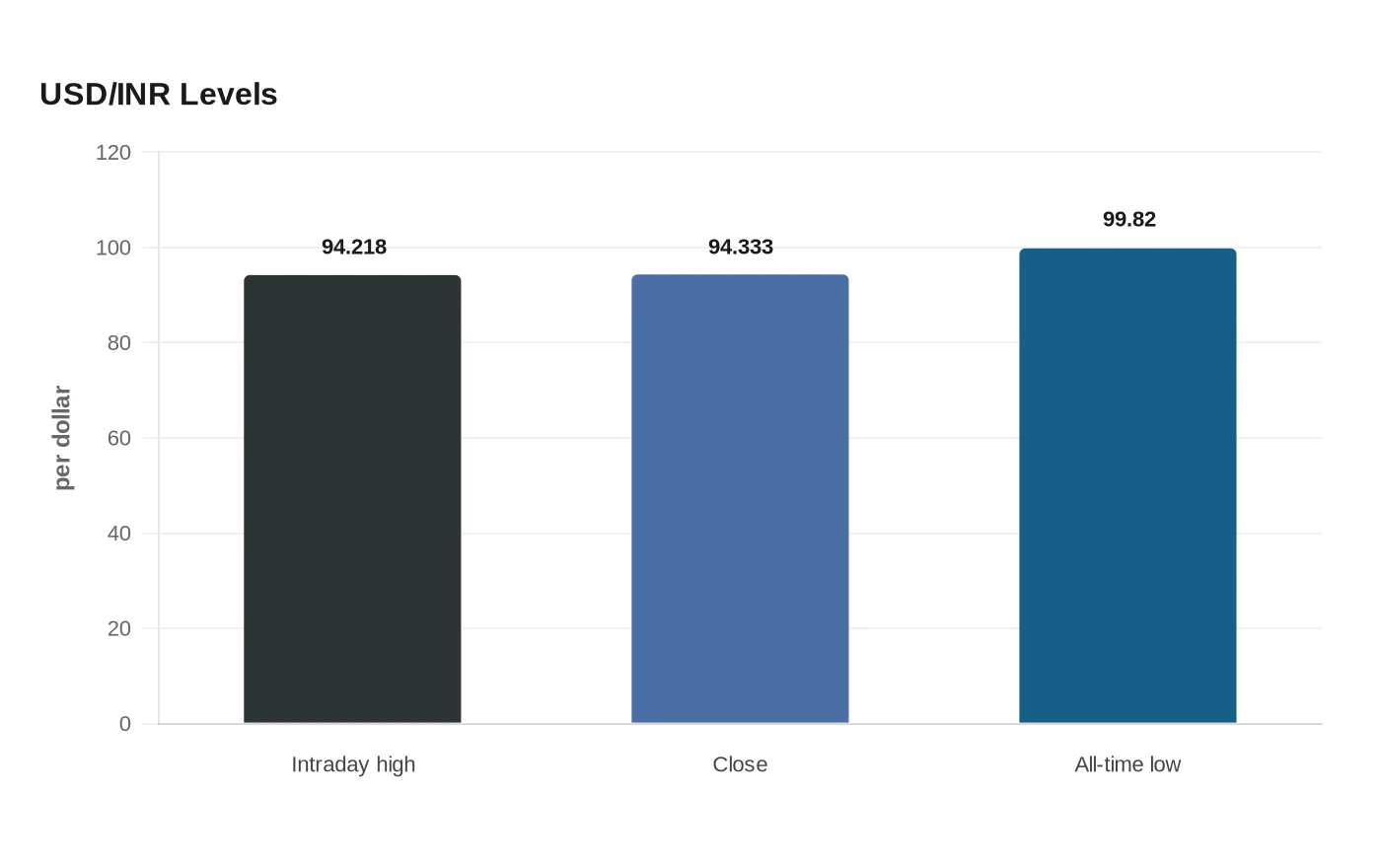
The bigger context is that the rupee is still rebuilding from a severe stretch of weakness. Trading Economics cited an all-time low for USD/INR of 99.82 in March 2026, and said the rupee remained roughly 8.7% to 9.1% weaker over the past 12 months even after strengthening about 2.6% to 3.0% over the past month. That makes the recent six-week high look less like a full trend reversal than a mix of exporter hedging, offshore positioning and softer oil, though the combination is strong enough to keep traders focused on whether the rally can outlast the Fed’s hawkish turn.