Politics
Rupert Lowe sparks fury with misleading Dunblane handgun claim

Rupert Lowe sparked fury by describing the Dunblane tragedy as “because there was a murder in Dunblane”, a line that flattened one of the worst school shootings in British history into a misleading shorthand. The attack at Dunblane Primary School in central Scotland on 13 March 1996 killed 16 children and teacher Gwen Mayor, injured 15 other children, and ended with Thomas Hamilton taking his own life inside the school.
Hamilton entered the gymnasium at about 9.15 a.m. armed with two 9mm Browning self-loading pistols, two .357 Smith and Wesson revolvers and 743 rounds of ammunition. Parliament’s record of the attack states that 15 of the children who were shot and their teacher died within the school, while one child later died in hospital. The scale of the killings helped drive the Cullen inquiry, whose report was published on 16 October 1996.
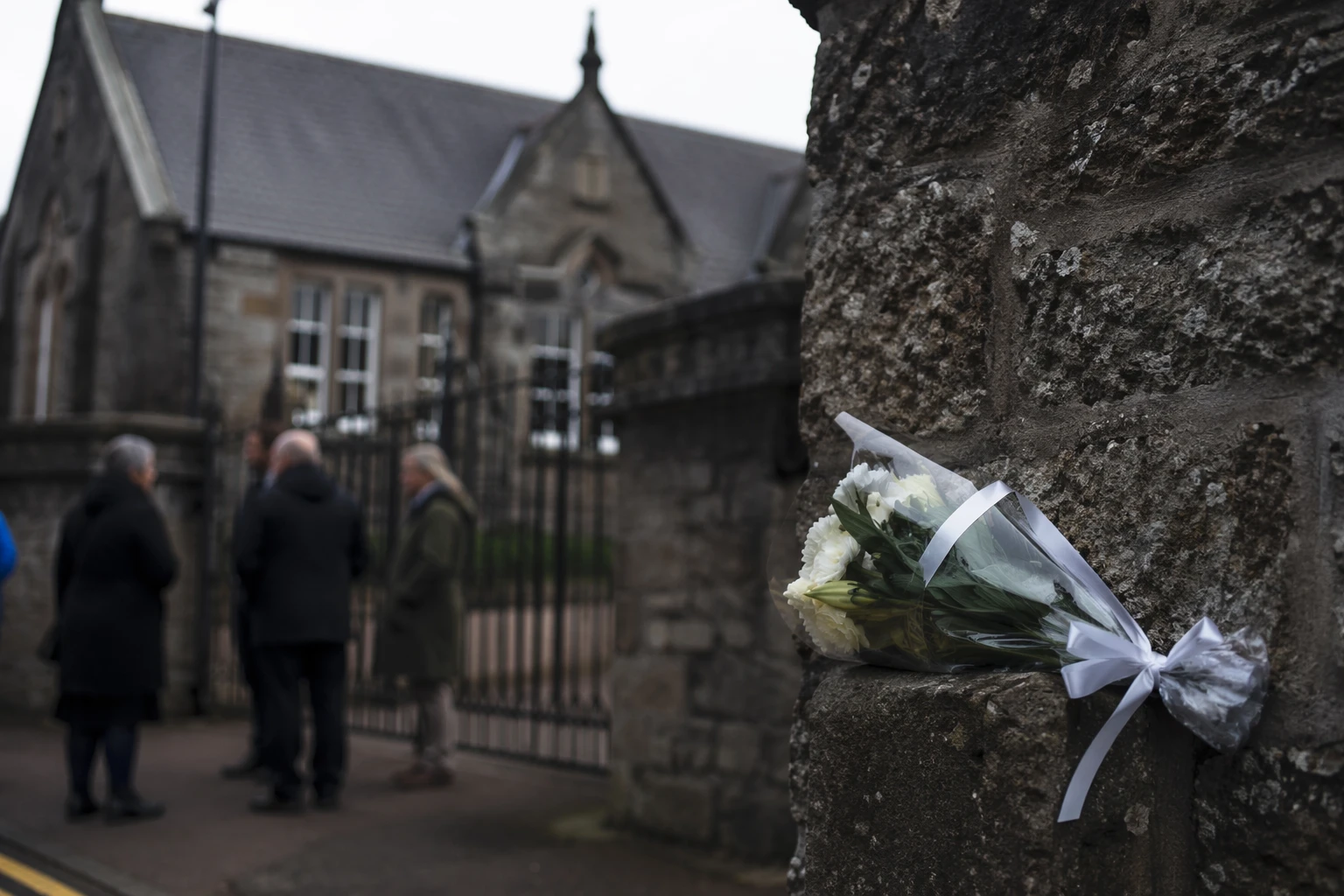
The political response was sweeping. The Firearms (Amendment) Bill was designed to ban handguns above .22 calibre and tighten firearms certification, while a later bill moved to prohibit the private possession of handguns more broadly. In Parliament, ministers described the massacre as one of the most shocking tragedies in modern Scotland, and the Dunblane Snowdrop Petition called for private ownership of handguns to be made illegal.
Lowe’s remark landed in the middle of a current political row around the Restore Britain leader, who made the comment during an appearance on The Joe Rogan Experience. Sky News said the reaction included fury from the family of one of the children killed and from Scottish politician Stephen Kerr, who called the comment “genuinely shocking” and “deeply insulting”. The dispute has revived an older argument over whether Britain’s post-Dunblane gun controls should be defended as settled public policy or recast through selective memory.

That is what makes Lowe’s phrasing more than a factual slip. Dunblane has remained a reference point in the United Kingdom’s firearms debate for nearly three decades because the details are not obscure: a primary school, a classroom attack, 16 children and a teacher dead, and a parliamentary overhaul that followed within months. Recasting that history as a single murder is not just inaccurate. It changes the terms on which gun regulation is argued now.