Business
Russia bans diesel exports after Ukrainian drone strikes on refineries
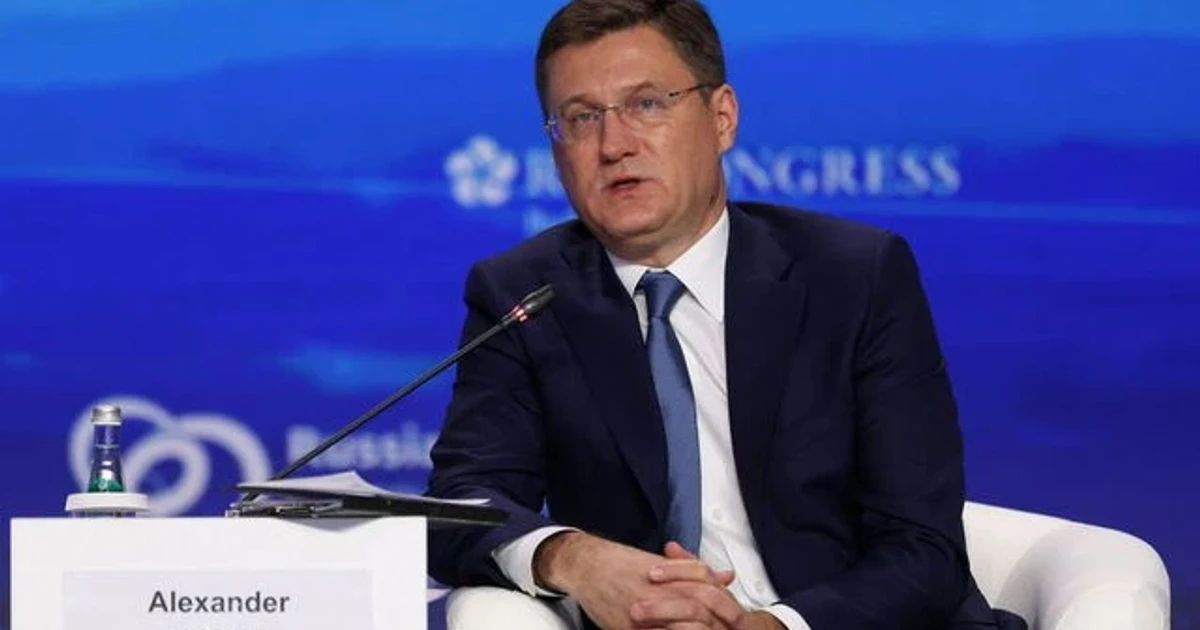
Russia imposed a temporary ban on diesel exports and said it would begin importing fuel in July after Ukrainian drone strikes tightened pressure on refineries and pushed fuel shortages into the civilian economy. Deputy Prime Minister Alexander Novak said the fuel situation at filling stations was causing public concern, and Moscow moved to protect the domestic market as drivers in several regions faced hours-long lines and price spikes.
The latest strikes showed how deep the damage had spread. Ukrainian drones hit three Russian oil refineries, tankers on the Sea of Azov and pipeline pumping stations in a single night of attacks stretching from the Ukrainian border to the Urals mountains. One target was the Omsk refinery, one of Russia’s largest, in what Ukrainian military claims described as one of the longest-range attacks of the war. By July 6, nearly all of Russia’s 83 regions were seeing gasoline shortages or supply disruptions, with many gas stations rationing fuel.
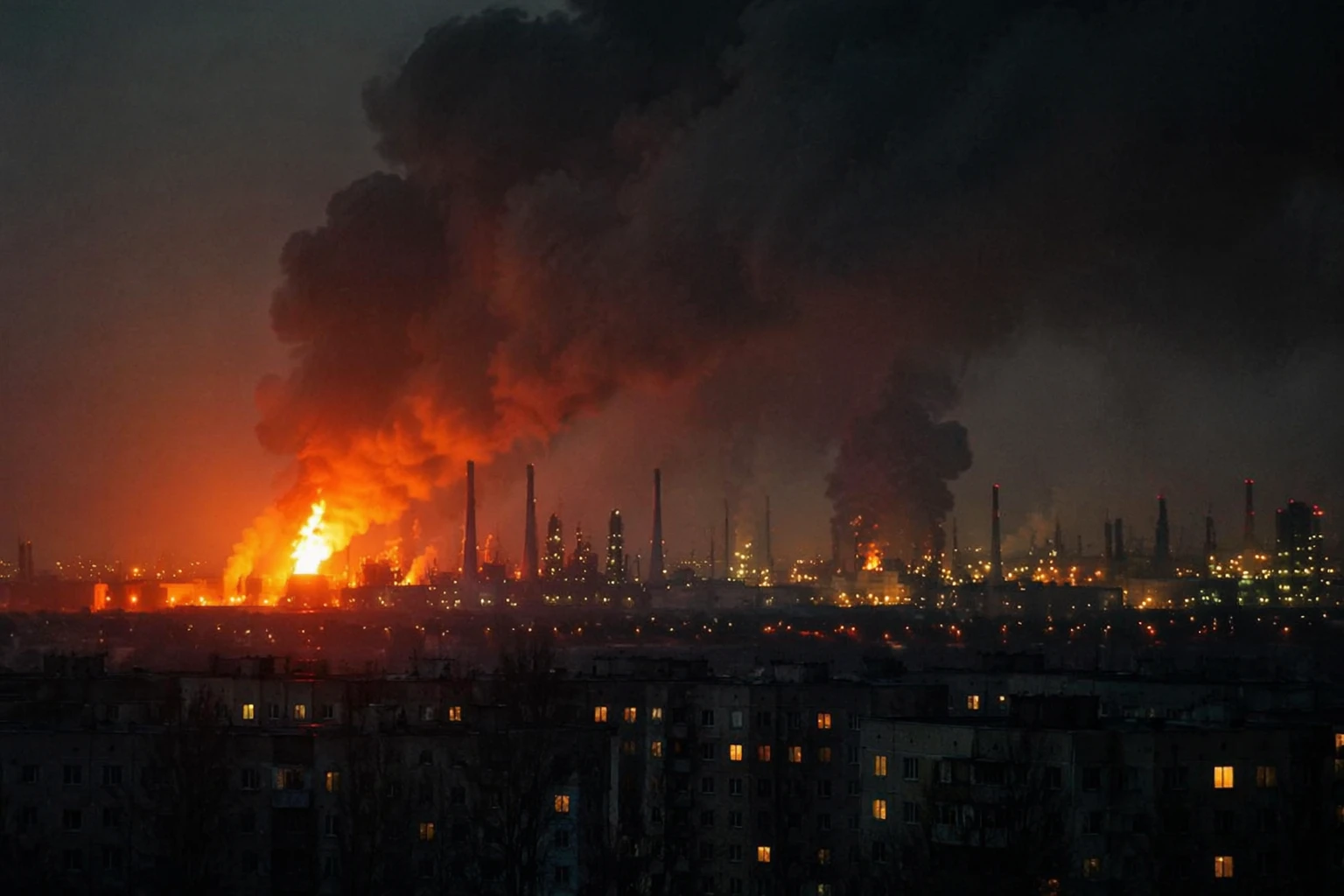
The export ban is set to run until July 31, a stopgap meant to keep more diesel inside Russia while the government tries to stabilize supply. Russia had already renewed fuel export curbs earlier in 2026 in response to market volatility, but the new restriction is broader and reflects a sharper squeeze after repeated attacks on energy infrastructure. The move also underlines how quickly refinery damage can cascade into logistics, affecting motorists, freight operators and regional authorities far from the front line.


The pressure does not stop at Russia’s borders. Diesel is a core input for transport and agriculture across Europe, and the curbs are likely to reverberate through regional supply chains if exports remain constrained. Ukrainian drone attacks have also hit a dozen tanker vessels from Russia’s shadow fleet over two days, including ships carrying fuel to Crimea, widening the campaign beyond refineries and into the routes that move fuel around the country and to occupied territory. For Moscow, the immediate challenge is no longer only defending oil infrastructure; it is preserving domestic fuel supplies without surrendering export revenue that helps sustain the war economy.
Sources
- [1]usnews.com
- [2]politico.eu
- [3]yahoo.com
- [4]msn.com
- [5]cnn.com