World
Russia bombards Kyiv in deadliest strike this year, killing 30+
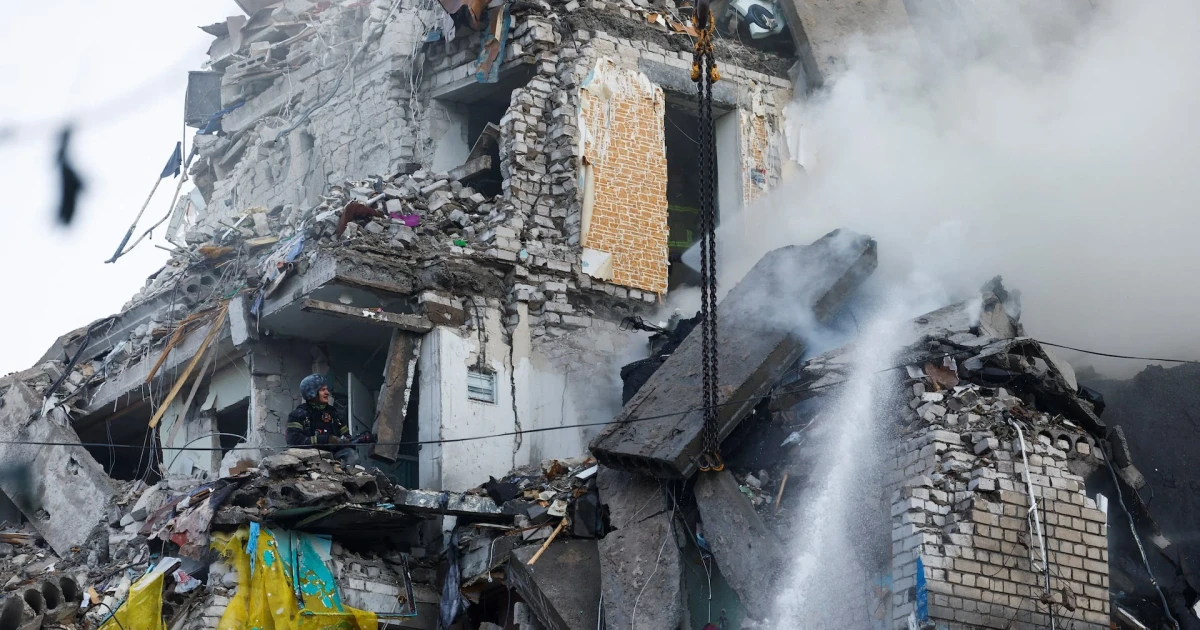
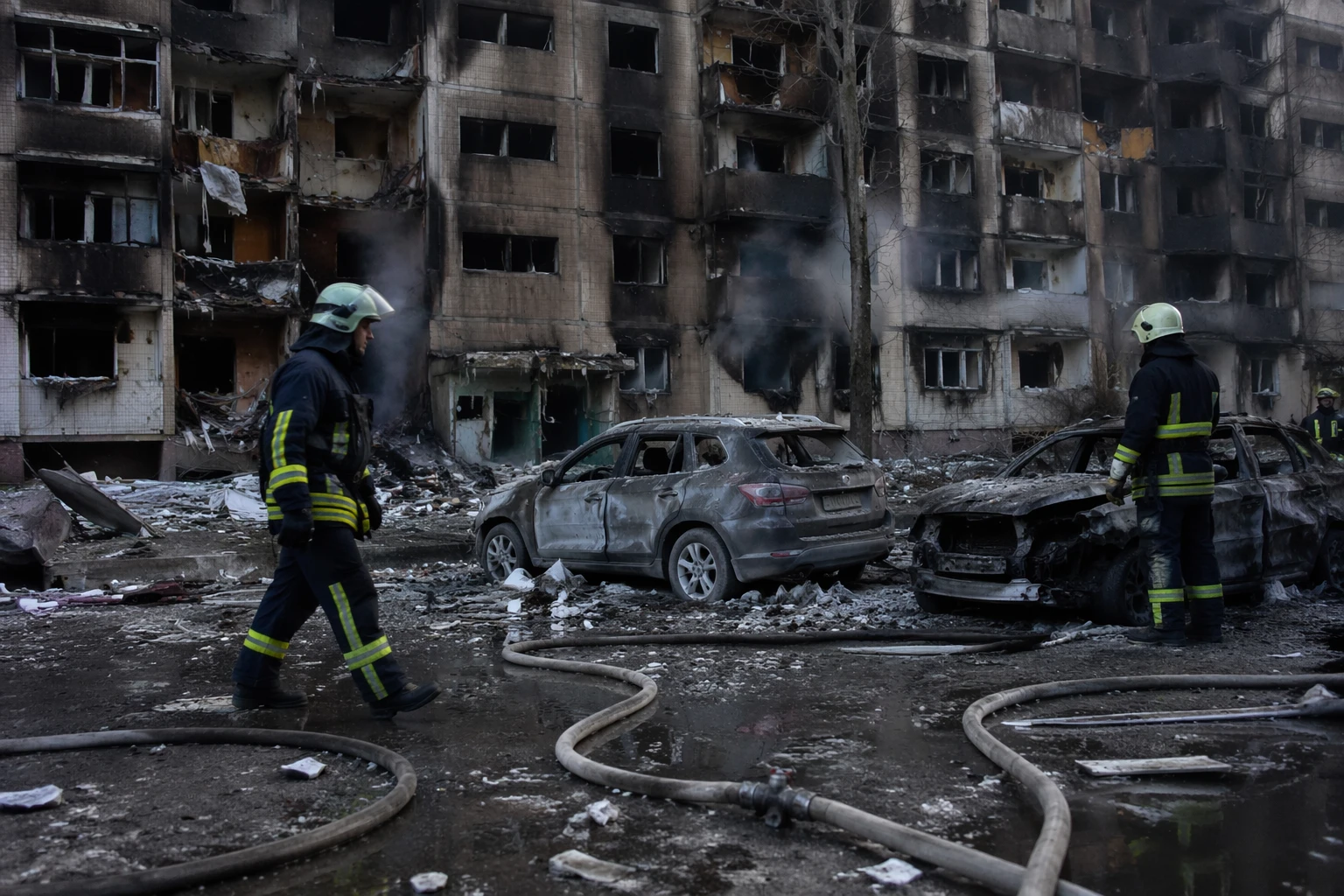
Russian missiles and drones pounded Kyiv overnight into Thursday, killing at least 30 people and injuring more than 90 in the deadliest strike on the capital this year as rescuers searched through collapsed buildings and burning wreckage. Kyiv authorities declared July 3 a day of mourning as the city counted the cost.
Ukraine said Russia launched 74 missiles and 496 drones in the assault, with 28 of the missiles identified as ballistic missiles, a record number in a single attack on the capital. Damage was reported across roughly 130 buildings in Kyiv, including apartment blocks, offices and other civilian sites, and the Ukrainian Red Cross said its key warehouse was destroyed, with about $2 million worth of humanitarian aid lost.
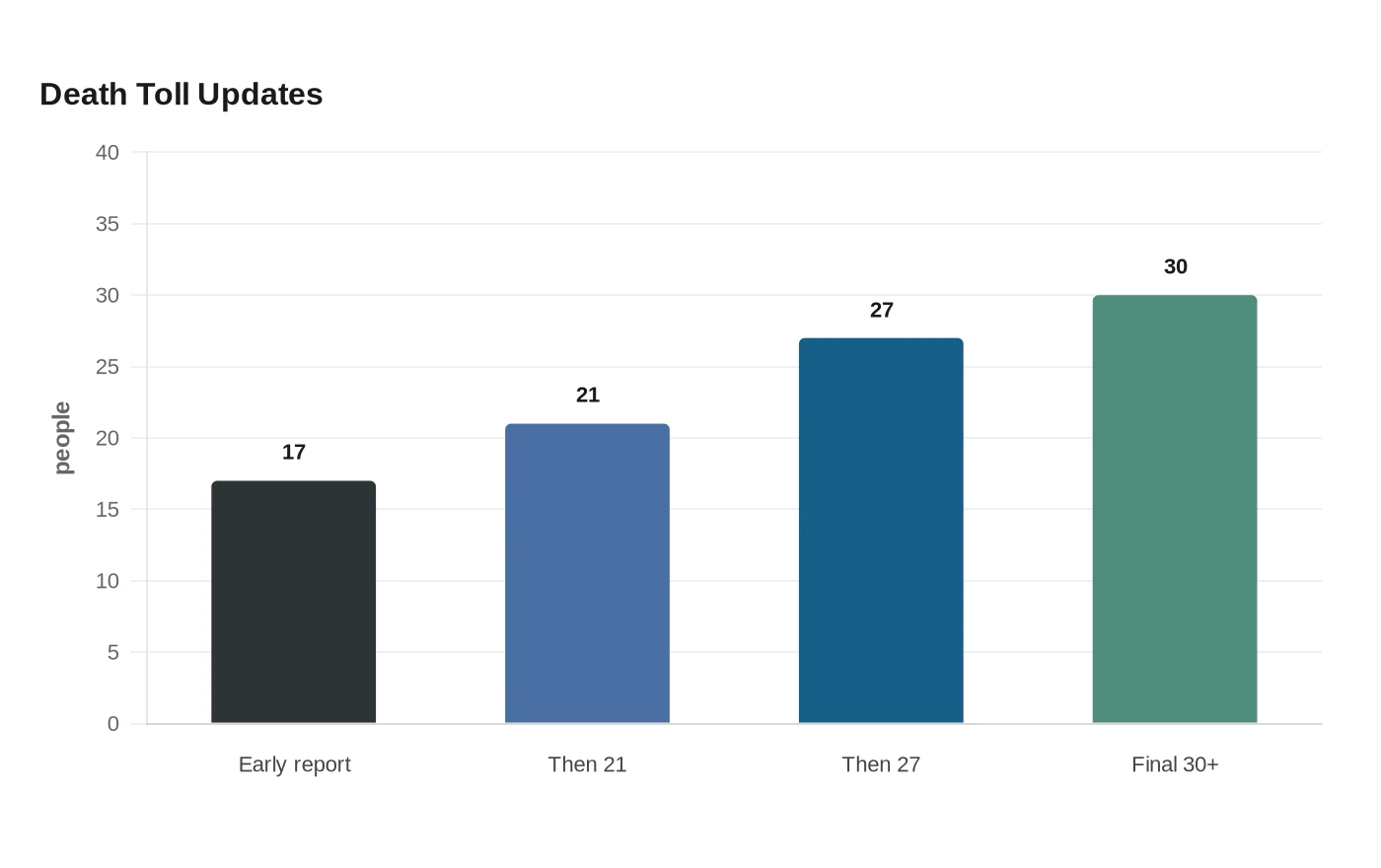
The death toll climbed through the day as emergency crews kept pulling bodies from the rubble. Early reports put the number killed at 17, then 21, then 27, before officials said at least 30 had died. One report said 91 people were wounded. The State Emergency Service of Ukraine and Kyiv City Military Administration said Kyiv was the main target of the attack, and first responders were still clearing debris and searching for survivors.

Volodymyr Zelenskyy had warned beforehand that Moscow was preparing a “massive strike” as Ukraine intensified long-range attacks on Russian oil facilities. Russia framed the bombardment as retaliation for those strikes, which Moscow said had contributed to fuel shortages inside Russia. The assault fit a pattern of large drone-and-missile attacks that the Institute for the Study of War said Russia carried out on the night of July 1 to 2, even as the pace of such strikes had fallen in June for reasons that remained unclear.
The strike laid bare the gap between Russia’s battlefield narrative and the reality of hitting a capital city under air defense. It showed that Vladimir Putin still has enough drones, missiles and launch capacity to overwhelm Ukraine’s defenses in a concentrated wave, even as the war enters its fifth year and a new study put total casualties since Russia’s full-scale invasion at more than 2 million. For Ukraine’s allies, the message was blunt: Moscow can still punish cities, strain air defenses and turn every renewed debate over Western support into a test of whether Kyiv can absorb another night like this one.
Sources
- [1]news.google.com
- [2]nytimes.com
- [3]usnews.com
- [4]kyivpost.com
- [5]abcnews.com
- [6]abc.net.au
- [7]understandingwar.org
- [8]wprl.org
- [9]msn.com
- [10]kyivindependent.com
- [11]pbs.org