Business
Russia diesel export ban sends U.S. futures to four-year high
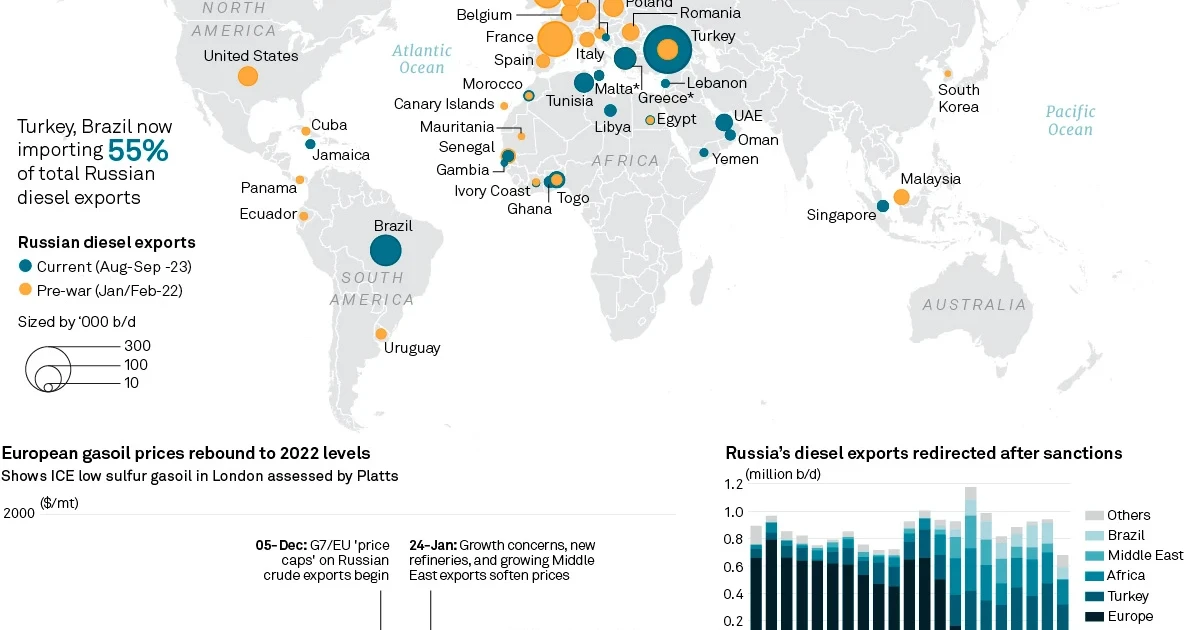
Russia’s diesel export ban drove U.S. ultra-low sulfur diesel futures up 11.6% to $154.71 a barrel on Wednesday, the biggest one-day jump since March 2022. The move threatens to work its way quickly from commodities markets into trucking bills, farm costs and retail prices if diesel stays tight.
The spike hit a market already under pressure. Ukraine’s drones struck three Russian oil refineries, tankers on the Sea of Azov and pipeline pumping stations in a night of attacks stretching from the border region to the Urals mountains. Russia’s export ban was an emergency step to support domestic fuel supplies after that damage deepened shortages.

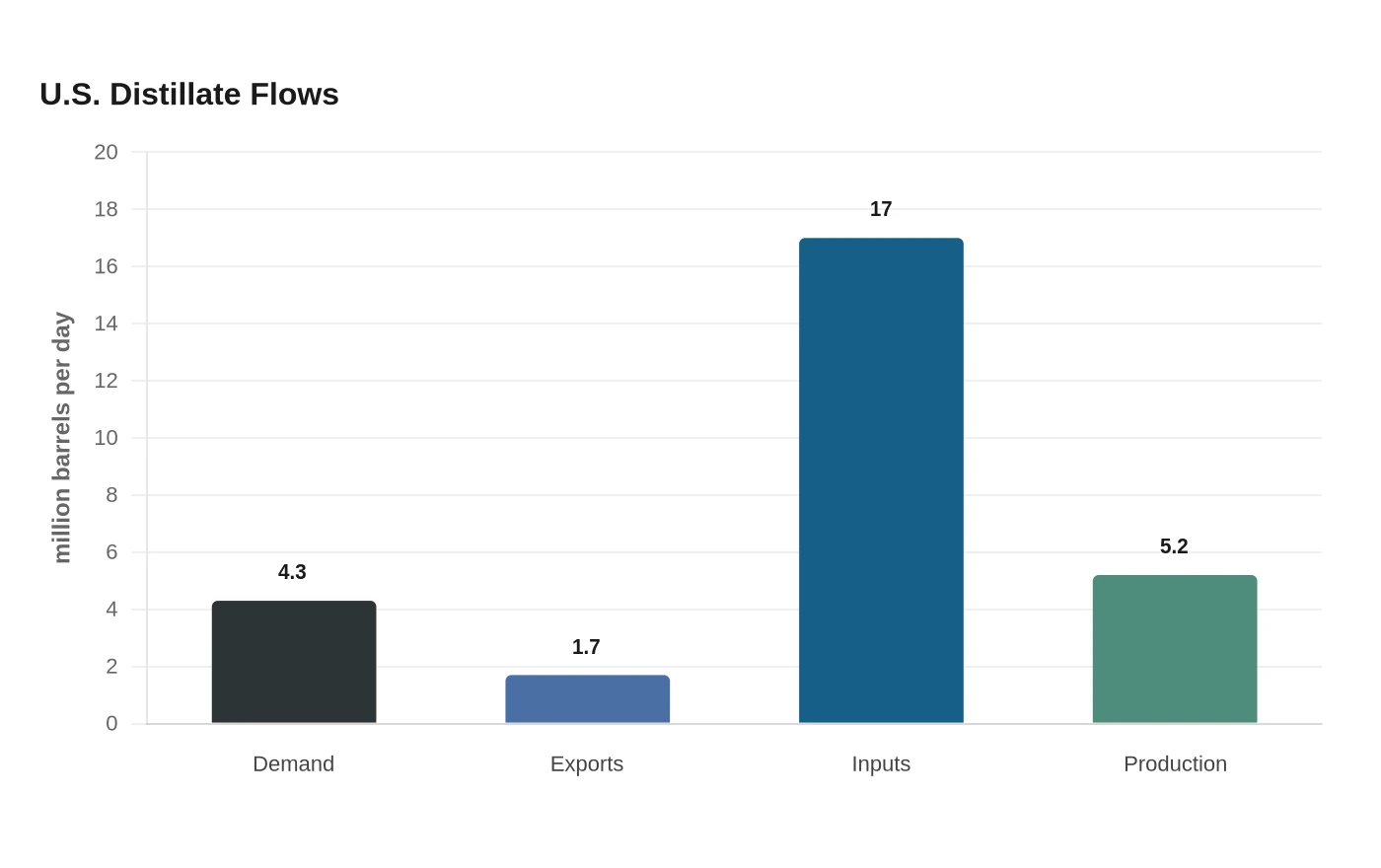
In the United States, diesel inventories were already shrinking fast. U.S. distillate stocks fell by nearly 5 million barrels in the week ending July 3 to 103.6 million barrels, about 7% below the five-year average. Domestic distillate demand ran at 4.3 million barrels per day, while exports averaged a seasonal record 1.7 million barrels per day in the first week of July, keeping pressure on supply.
U.S. Energy Information Administration data show refinery utilization was already running near capacity before the Russian ban landed. Refinery inputs averaged 17.0 million barrels per day in the week ending July 3, and refineries were operating at 95.8% of operable capacity. Distillate fuel production averaged 5.2 million barrels per day, but that was not enough to prevent the stock draw.
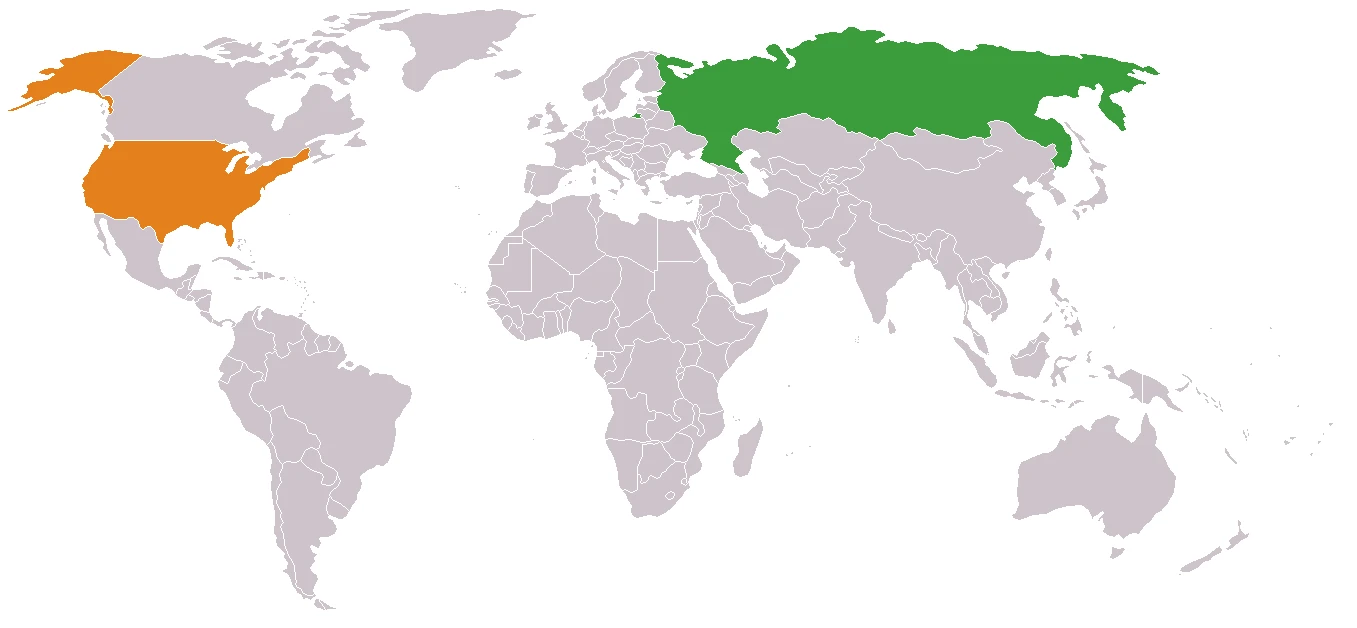
The tension in diesel is showing up in margins. The diesel crack spread widened to more than $80 a barrel on Wednesday, the highest since early April. Crude inventories rose by 3 million barrels to 411.4 million barrels in the same week, underscoring that the immediate problem is not crude oil availability but a tighter distillate balance.
Tom Kloza, chief energy adviser to Gulf Oil, said wholesale diesel prices could rise by more than 40 cents a gallon if the disruption persists, a jump that would hit trucking, agriculture and freight first, then flow into broader consumer prices. U.S. petroleum exports reached a record 13.6 million barrels per day in April as overseas fuel flows were repeatedly interrupted.
Sources
- [1]money.usnews.com
- [2]eia.gov
- [3]hydrocarbonprocessing.com
- [4]msn.com