World
Russia intensifies attacks on Ukraine’s fortress belt cities
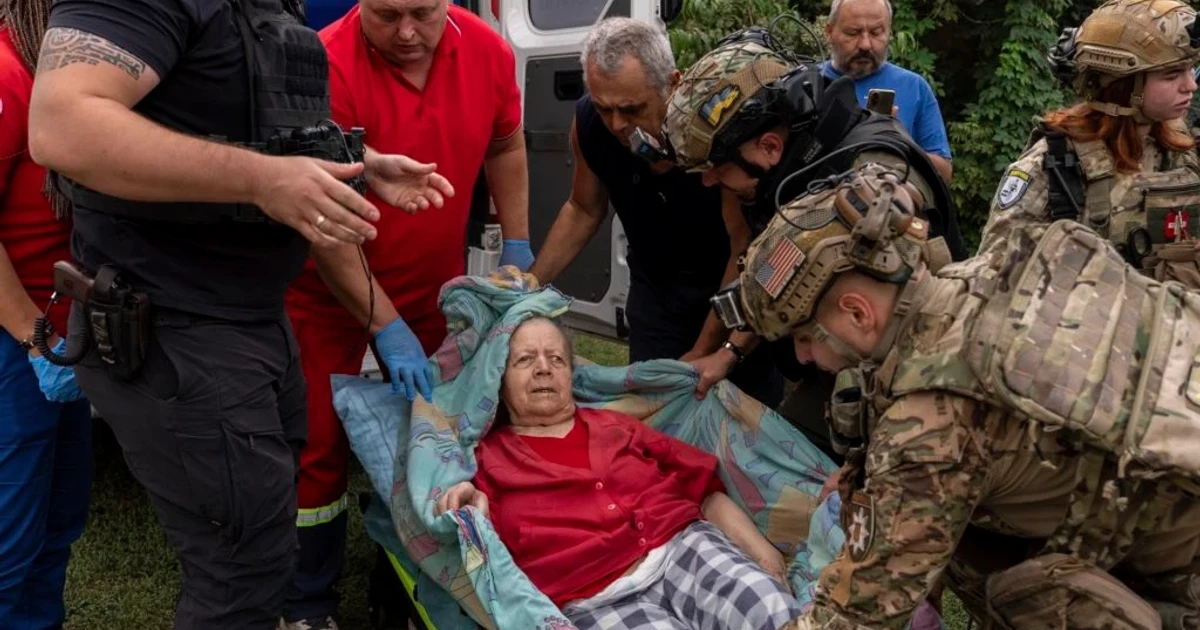
Russia is turning Ukraine’s eastern fortress belt into a place where civilian life is increasingly unsustainable. Even as Kyiv sees gains elsewhere in the war, Moscow’s bombs and drones are hitting Sloviansk and Kramatorsk with enough force to keep families moving, schools strained, and evacuation teams working every day.
The fortress belt is a roughly 50-kilometer line of fortified urban centers in northern Donetsk Oblast that includes Sloviansk, Kramatorsk, Druzhkivka and Kostiantynivka. Ukrainian forces began building up those defenses after retaking the cities from pro-Russian proxy forces in July 2014, following the spring 2014 seizure of Sloviansk and Kramatorsk by Russian-backed militants. The geography still matters because losing the belt would open routes deeper into Donetsk and potentially beyond.
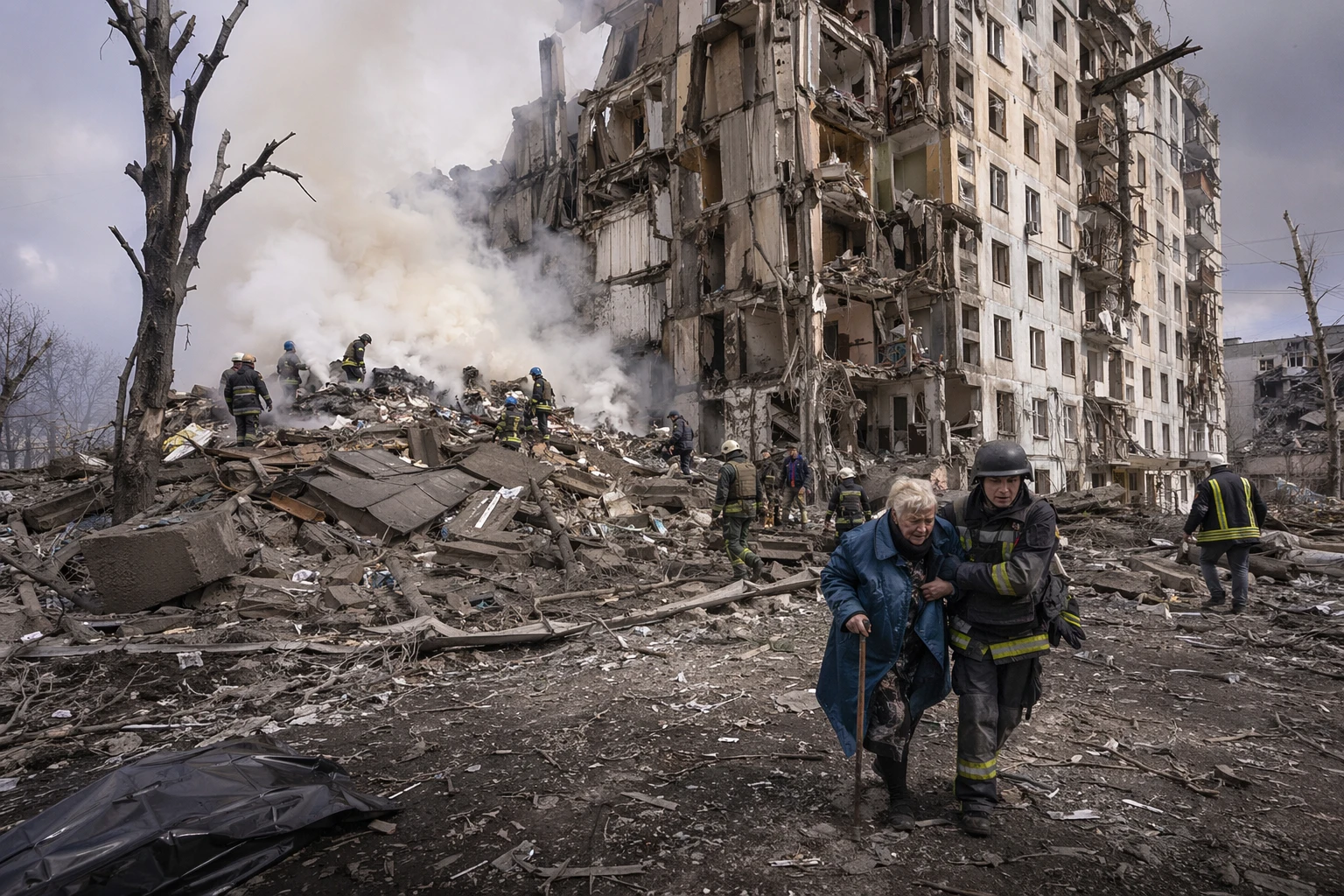
What makes the current phase of the war so punishing is that the front is no longer only about territory. It is about whether urban communities can keep functioning under daily shelling. As of May 15, local officials said 67,500 people remained in the Kramatorsk community and 46,000 in the Sloviansk community, or 113,500 in total. Those figures sit against a prewar population of more than 380,000 across the fortress belt cities, underscoring how much human capital has already been stripped away.
The evacuation machinery is still expanding as the pressure rises. UNHCR said authorities opened a new Interim Evacuation Point in Sloviansk at the end of March 2026 and another in Kramatorsk on April 21, 2026. On April 18, officials said 34 children remained in the mandatory evacuation districts of Sloviansk, down from 96 at the end of March, a sign that families are being pushed out as the danger spreads.
The wider displacement picture is just as stark. UNHCR and partners estimate that more than 188,000 people fled to safer areas in 2025 as attacks intensified along frontline regions. For Ukraine, the cost is immediate on the battlefield and lasting off it: emptying these cities weakens the civilian base behind the defenses, drains local institutions, and adds another layer to the reconstruction burden that will follow whenever the guns fall silent.
Sources
- [1]nytimes.com
- [2]ukrinform.net
- [3]unhcr.org
- [4]understandingwar.org
- [5]interfax.com.ua