World
Russia Intensifies Scrutiny of Telegram Over Terrorism Claims
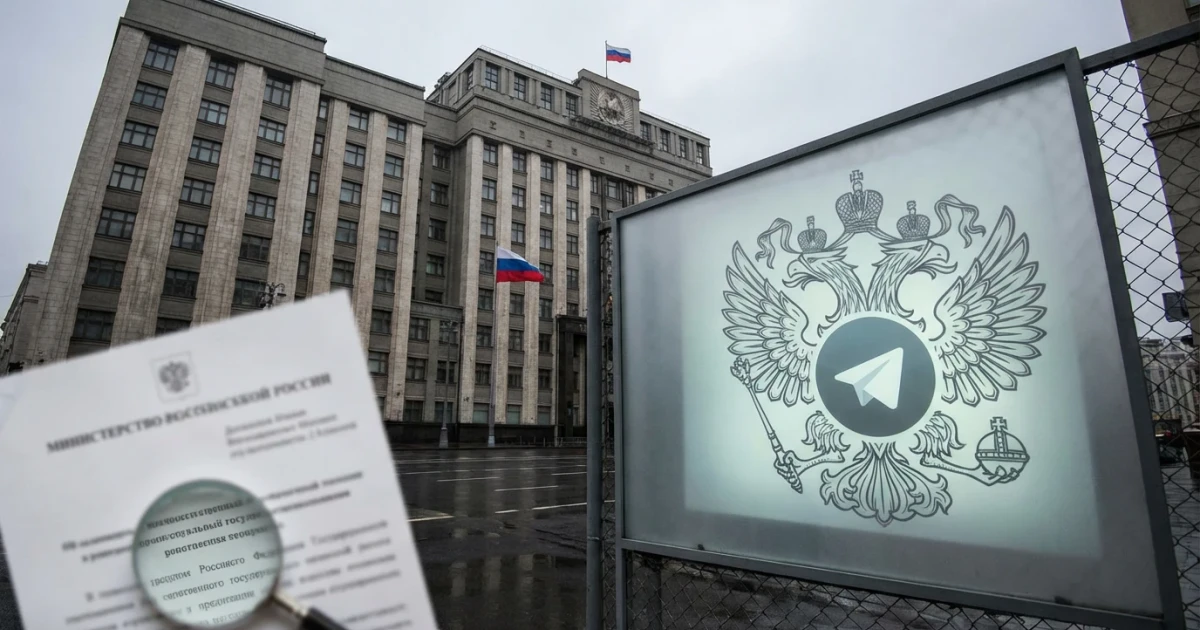
Russian authorities have opened an official investigation into Telegram's founder, intensifying longstanding tensions between the government and the popular messaging app. The move follows renewed allegations that Telegram has been used to coordinate terrorist activities in Russia, prompting officials to threaten further action—including a possible ban—against the platform.
Escalating Government Pressure
The probe, first reported by The Washington Post, targets Telegram chief Pavel Durov. Russian investigators allege that Telegram’s encrypted messaging features and large user base have made it a tool for extremists to organize and communicate. This scrutiny forms part of an ongoing effort by Russian authorities to regulate or restrict digital platforms seen as undermining state security.
Russia’s internet regulator, Roskomnadzor, has previously taken legal action against Telegram, citing non-compliance with data-sharing requests and concerns over its use in criminal activity. Official documents and enforcement orders regarding the regulation and attempted banning of Telegram are publicly available, highlighting previous court rulings and the government’s sustained efforts to block the app.
Claims of Terrorist Use
According to Russian officials, Telegram’s privacy features have been exploited by groups to coordinate attacks and disseminate extremist content. These accusations are not new; since its launch, Telegram has faced repeated criticism from governments—including Russia’s—over its approach to encryption and refusal to provide authorities with decryption keys.
Research by Privacy International details the Russian government’s broader campaign for digital surveillance and the persistent challenges it faces in monitoring encrypted communications. The report notes that while Telegram has implemented certain content moderation policies, its technical infrastructure complicates government efforts to intercept messages.
Popular and Controversial Platform
Despite official efforts to curb its influence, Telegram remains one of the most popular messaging apps in Russia. Data from Statista shows that Russia is among the largest markets for Telegram, with millions of active users. The platform is not only used for private communication but also for news dissemination, activism, and political organization—further fueling government concerns.
- Russia has previously attempted to block Telegram, but technical measures often proved ineffective.
- Telegram’s founder, Pavel Durov, has publicly resisted demands to weaken the app’s encryption.
- Freedom House’s Freedom on the Net 2023 report highlights Russia’s increasing digital censorship and surveillance amid a broader crackdown on independent media and online dissent.
International Implications and Response
The Russian probe into Telegram’s leadership has drawn international attention, especially among advocates for digital privacy and free expression. Critics argue that the government’s focus on Telegram is part of a larger campaign to control online communication and suppress opposition voices. At the same time, Russian officials emphasize the need to combat terrorism and enforce state security.
The ongoing dispute underscores the persistent tension between privacy rights and government surveillance. Telegram’s technical approach—offering end-to-end encryption and resisting backdoor access—appeals to users concerned about privacy but frustrates law enforcement agencies seeking to monitor potential threats.
What Comes Next?
As Russian authorities intensify their scrutiny, Telegram’s future in the country remains uncertain. Previous attempts to ban or restrict the app have faced technical and public resistance, but the current investigation signals a willingness to escalate legal and regulatory pressure. Analysts suggest that the outcome may set a precedent for how encrypted messaging apps are regulated in Russia and could influence similar debates in other countries facing the balance between security and privacy.
For now, Telegram continues to operate in Russia, but both users and digital rights advocates are closely watching whether the government will pursue a full ban or seek further concessions from the company.