World
Russia Limits Victory Day Parade Amid Ukraine War Concerns
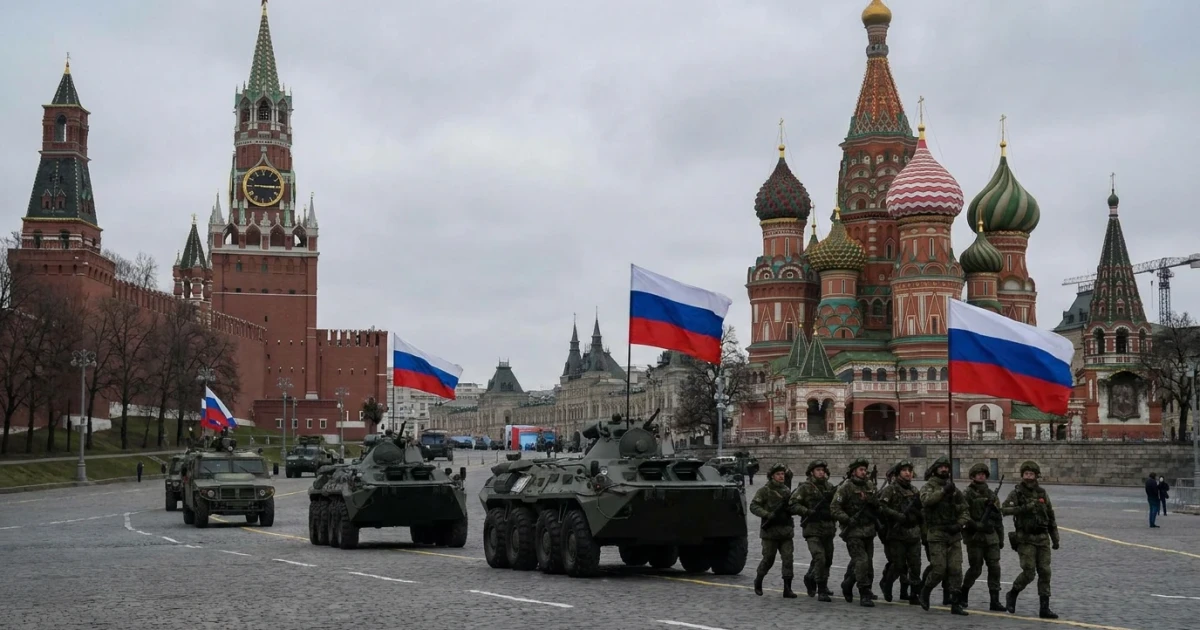
Russia commemorated Victory Day on May 9, 2026, with a significantly scaled-back military parade in Moscow, reflecting heightened concerns over the ongoing war in Ukraine and shifting domestic priorities. The annual event, traditionally a showcase of military strength and patriotism, saw visible reductions in both size and spectacle, as President Vladimir Putin used his address to denounce NATO and frame Russia's actions within the context of global security challenges.
Reduced Scale and Changing Tone
Both Al Jazeera and The Economic Times reported that this year’s Victory Day parade was notably downsized compared to previous years. The decision to limit the parade comes as Russia faces mounting logistical and strategic pressures from its ongoing military campaign in Ukraine. According to historical statistics, Victory Day parades in Moscow have typically featured thousands of troops and scores of armored vehicles, but in 2026, those numbers were reduced significantly.
- Military equipment on display was fewer than in past years, with some reports noting the absence of several advanced systems and a reduced number of units.
- Attendance was limited, with fewer foreign dignitaries and regional delegations present.
- Public festivities around Red Square were curtailed amid heightened security and ongoing concerns over potential threats.
The parade’s scaled-back nature was highlighted by both outlets, with The Economic Times emphasizing the impact of the Ukraine conflict on Russia’s ability to mobilize resources for ceremonial purposes.
Putin’s Speech and Political Messaging
President Putin delivered a speech during the parade, using the occasion to criticize NATO and reaffirm Russia’s stance in the Ukraine conflict. Al Jazeera noted that Putin’s remarks were sharply focused on external threats, portraying NATO as a destabilizing force and positioning Russia as a defender against Western aggression. The Economic Times also referenced the deepening worries over the war in Ukraine, suggesting that the parade’s reduced scale was as much about optics as it was about practical limitations.
Official records published by the Kremlin confirm that Putin’s speech included language emphasizing national unity and resilience, while avoiding mentions of any setbacks or losses in Ukraine. The rhetoric, according to Al Jazeera, sought to rally domestic support and maintain a narrative of strength despite visible reductions in the parade’s grandeur.
Impact of the Ukraine War
The ongoing conflict in Ukraine continues to exert pressure on Russia’s military and political apparatus. As The Economic Times observed, resources that would typically be dedicated to the Victory Day parade have been redirected to the war effort, resulting in fewer troops and less equipment available for display. This aligns with broader trends identified by analysts at the International Institute for Strategic Studies, which has documented changes in Russian military force structure and equipment inventories since the onset of the Ukraine conflict.
Additional data from Statista shows a consistent decline in the number of military vehicles and personnel involved in Victory Day parades over recent years, with 2026 marking a new low in public displays.
Historical and Political Significance
The Victory Day parade has long served as a symbol of Russia’s national pride and military prowess, commemorating the defeat of Nazi Germany in World War II. This year’s event, however, was shaped by the realities of the present conflict and the need to project unity amid adversity. For readers unfamiliar with the parade’s background, a BBC explainer provides context on its historical importance and evolving role in Russian political culture.
While the downsized parade underscores Russia’s current challenges, it also signals a shift in how the government manages public perception during periods of conflict. Both Al Jazeera and The Economic Times agree that the event’s reduced scope was intended to strike a balance between honoring tradition and adapting to the constraints imposed by the war in Ukraine.
Looking Forward
As Russia continues to navigate the complexities of its military campaign in Ukraine, Victory Day celebrations may further evolve. This year’s parade suggests a willingness by the Kremlin to adjust longstanding rituals to fit changing realities, even as President Putin seeks to maintain a message of resilience. The limited scale of the 2026 parade, combined with sharpened political rhetoric, highlights the intersection of history, politics, and military strategy in modern Russia.