World
Russia Moves to Isolate Its Internet Infrastructure
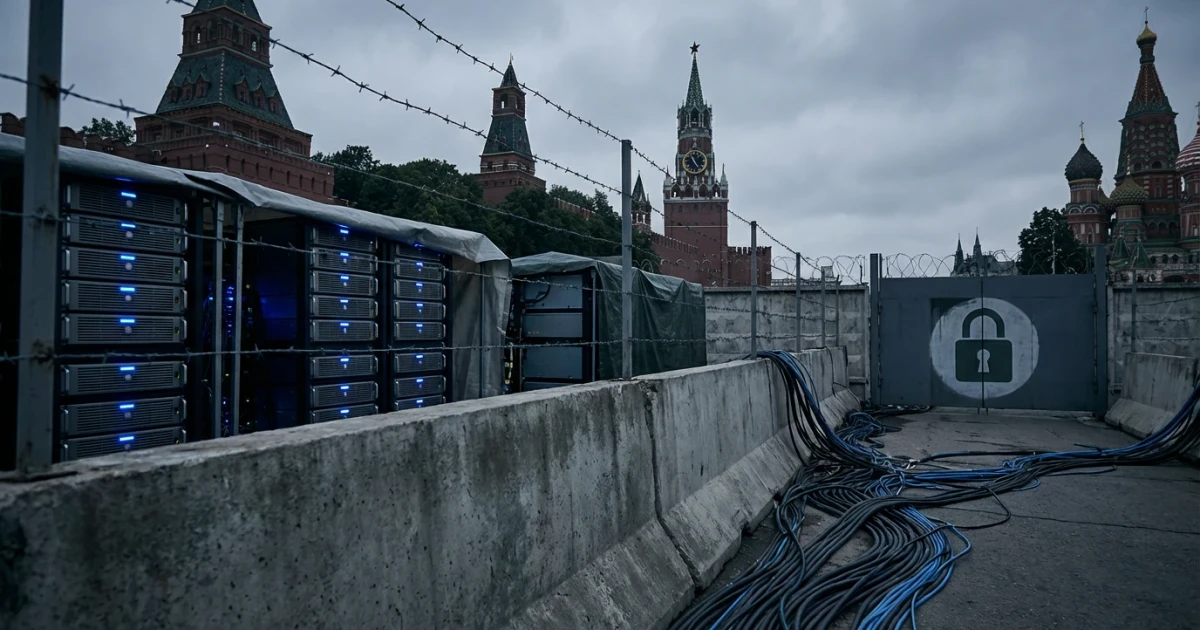
Russia is undertaking a gradual but deliberate effort to separate its domestic internet from the broader global web, according to analysts cited by The Guardian. This move, part of a wider government strategy to assert greater control over online traffic and content, has sparked debate about the future of digital freedoms for Russian citizens and the potential consequences for the country’s connectivity.
Increasing Isolation Through Policy and Technology
Over the past several years, Russian authorities have introduced a series of technical and legislative measures aimed at tightening their grip on the country’s digital sphere. The adoption of the so-called Internet Sovereignty Law in 2019 provided the legal foundation for state agencies to control internet routing and force service providers to comply with government directives. This legislation, as detailed in official texts and independent analyses, empowers regulators to reroute traffic through government-controlled exchange points and to implement content filtering at a national scale.
According to The Guardian, these steps are not only about censorship but also about preparing for scenarios where Russia might need to operate a standalone internet infrastructure, sometimes referred to as the “Runet.” Technical reports, including those from regional internet registries, show that Russia has invested in the hardware and protocols necessary to keep domestic traffic inside its borders and to limit reliance on international servers and services.
Impact on Citizens and the Digital Economy
The implications for ordinary Russians are significant. Digital rights groups warn that these policies could further restrict access to independent news, social media, and global platforms, exacerbating an already challenging environment for free expression online. Freedom on the Net scores consistently rank Russia among the world’s least free internet environments, citing pervasive censorship, blocking of opposition websites, and legal threats against online dissent.
Beyond the political sphere, Russia’s internet isolation may affect its digital economy. Tech companies and startups could face barriers to global markets, while ordinary users may experience slower speeds and limited access to international services. Analysts also note that increasing domestic routing of data—already rising in recent years, as shown in statistical reports—could hinder innovation and competition.
International Reactions and Ongoing Developments
While the Russian government frames these measures as necessary for national security and sovereignty, critics argue they serve to further isolate the country at a time of heightened geopolitical tensions. Western governments and international watchdogs have repeatedly criticized the policies, raising concerns about Russia’s role in the global internet ecosystem and the precedent these moves may set for other authoritarian regimes.
Technical experts caution that attempts to build a fully autonomous Russian internet face logistical and economic hurdles, including the challenge of maintaining connectivity for businesses and citizens who depend on international data flows. Nevertheless, the long-term trajectory appears set: analysts say the Kremlin remains committed to building the capability for digital self-sufficiency, even if it means greater isolation for Russian users.
Looking Ahead
As Russia continues to roll out new regulations and technical safeguards, the world is watching closely to see whether the country will succeed in forging a truly independent internet infrastructure. The outcome will have profound implications not only for Russian society but also for the future of the global, open internet.