Technology
Russia opens case against Apple over pre-installed domestic apps

Russia’s Federal Anti-Monopoly Service opened a case against Apple over the company’s refusal to preinstall the state-backed Max messenger and the domestic app store RuStore on its devices. The move put Apple back in the middle of Moscow’s campaign to force foreign tech firms to accept local software rules that shape what users see first on a phone.
The dispute fit into a longer push that began years earlier. Russian lawmakers proposed in 2019 that smartphones, computers and smart TV sets sold in Russia be required to come with local software already installed, and President Vladimir Putin later signed legislation requiring those devices to carry Russian apps. By April 2021, Russian law required smart devices to come pre-installed with domestic software, and Apple agreed to comply by showing Russian users a setup screen with recommended local apps when they activated a new iPhone sold in the country.
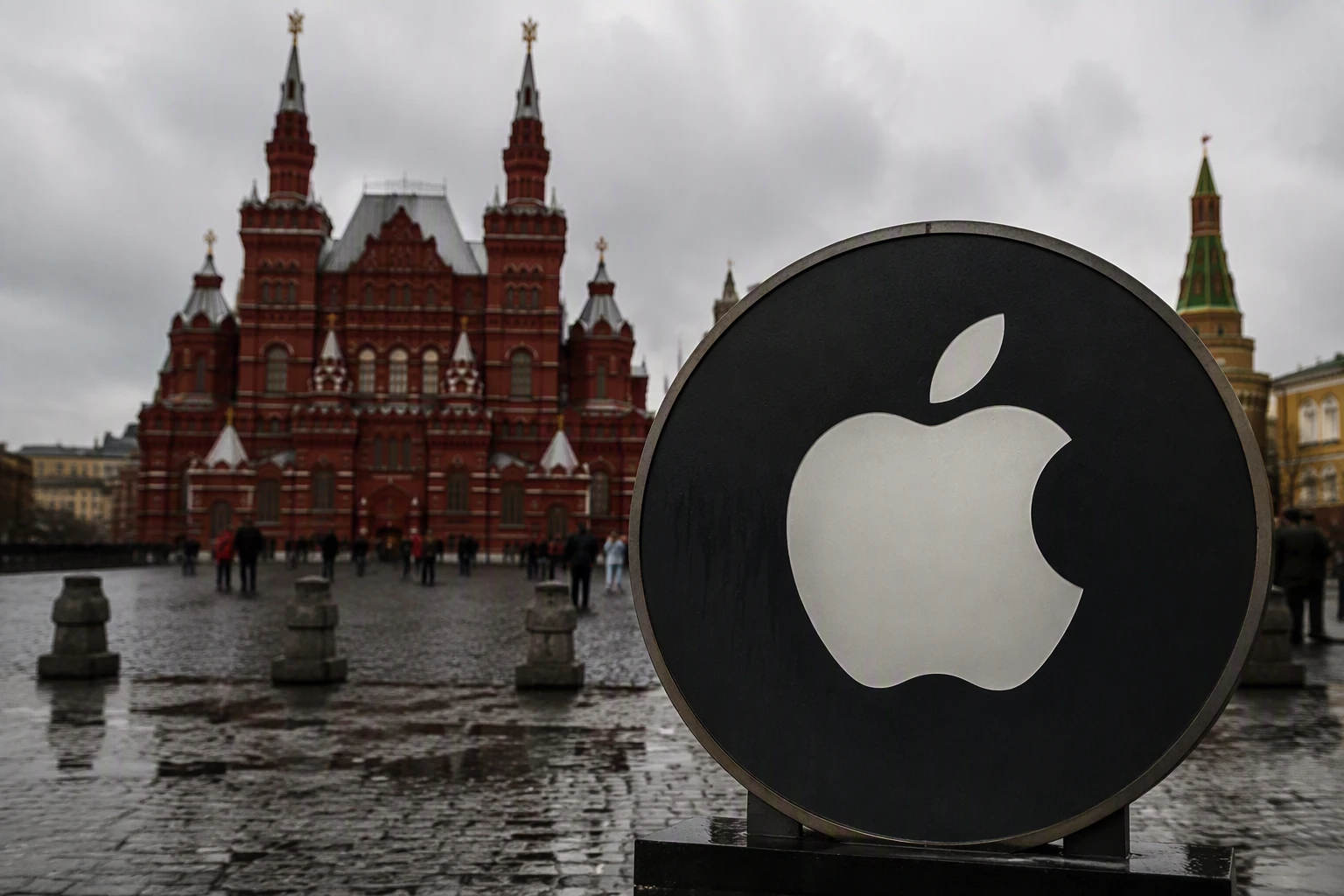
The latest case showed how that pressure has narrowed around specific state-backed services. In August 2025, Russia ordered Max to be pre-installed on all smartphones and tablets sold in the country, extending the policy from general domestic-software rules to a single messaging app with direct state backing. The requirement also drew warnings that it could increase surveillance of Russian citizens, underscoring why pre-installation rules have become a flashpoint for privacy advocates as well as competition officials.
For Apple, the case leaves few clean options. The company can comply and deepen its alignment with Russian software rules, resist and risk fines or other enforcement, or scale back its presence in a market where device configuration has become part of the state’s regulatory leverage. Apple has long controlled the software experience on its devices tightly, making outside mandates a direct challenge to how the company distributes apps and manages its ecosystem.
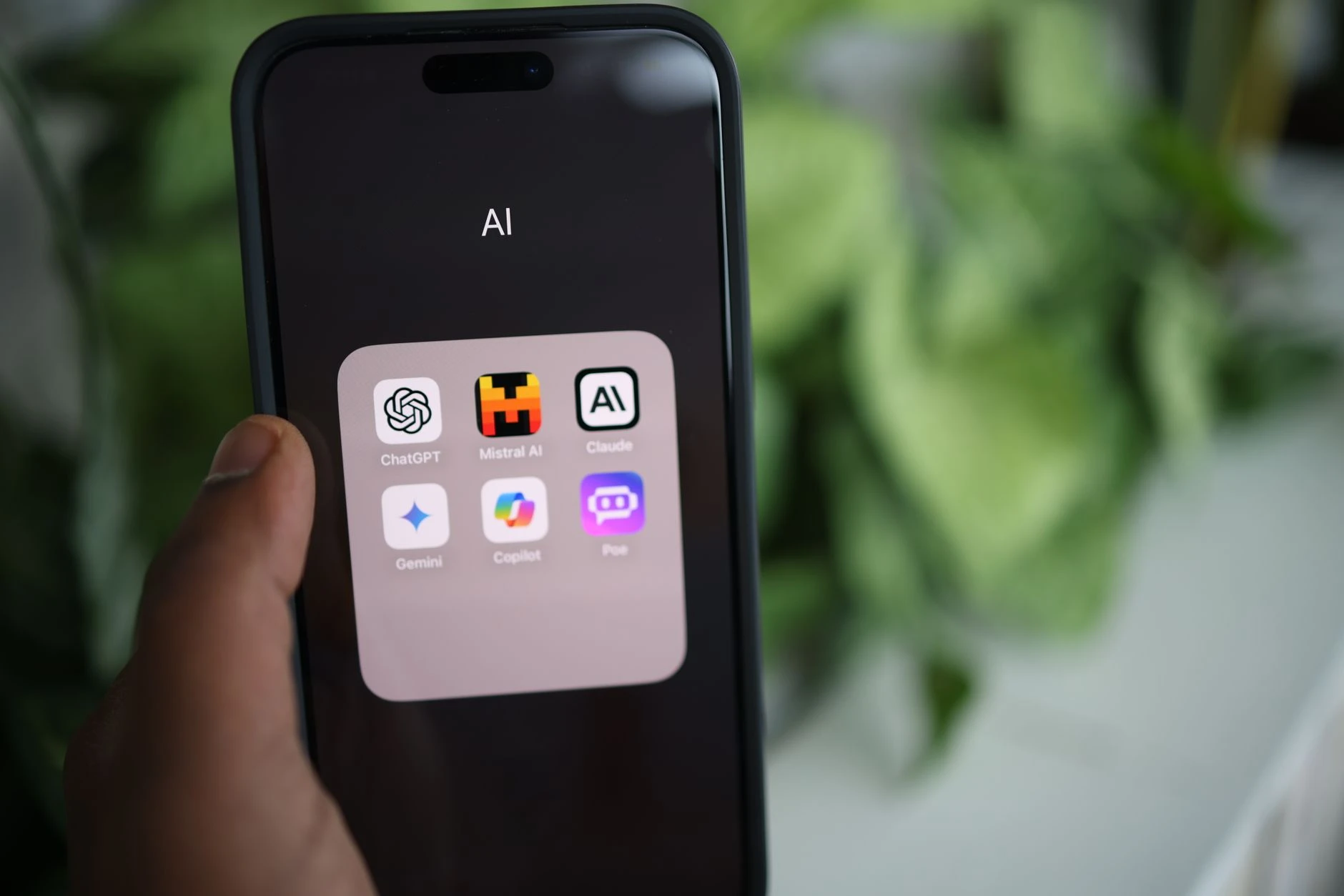
The broader significance reaches beyond one brand or one market. A case over what loads first on a smartphone signals to other U.S. tech companies that Moscow is still willing to use domestic-app rules as a pressure tool, not just as a competition policy. In Russia, software placement has become a test of digital sovereignty, with the state trying to steer data, distribution and consumer choice through the home screen itself.
Sources
- [1]reuters.com
- [2]themoscowtimes.com
- [3]aa.com.tr
- [4]wral.com