World
Russia Plans Expanded Air Defenses After Drone Strikes
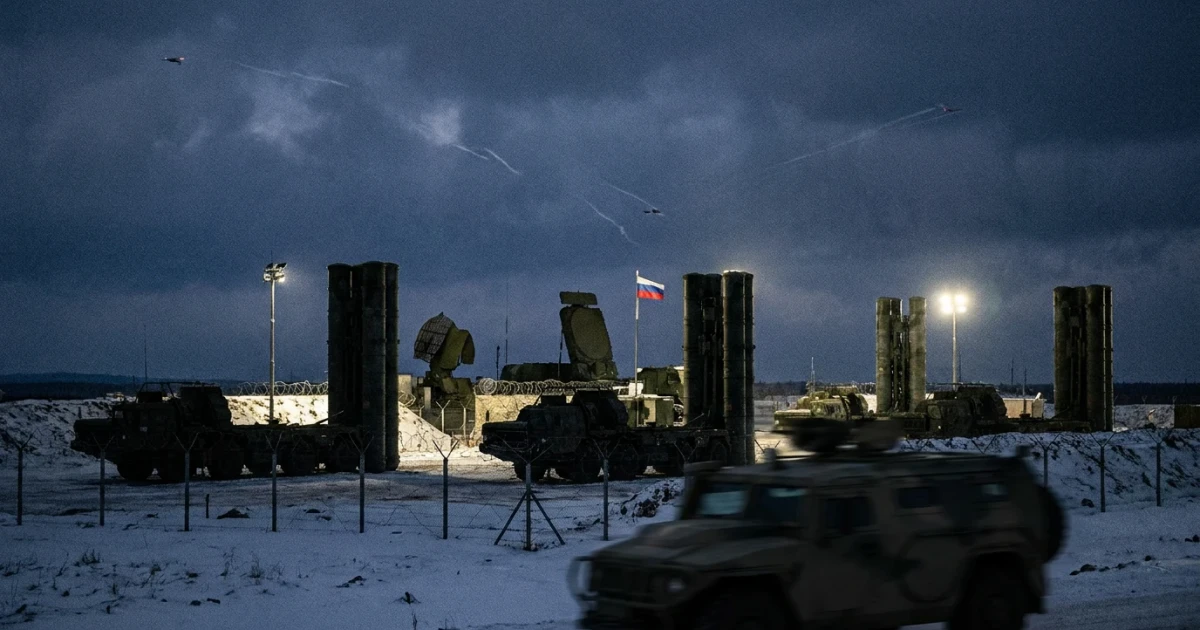
President Vladimir Putin announced on Wednesday that Russia will intensify efforts to strengthen its air defense systems in response to a wave of Ukrainian drone attacks. The statement, reported by both Politico and NPR, marks a significant shift in Russia’s military posture as the conflict with Ukraine continues to evolve.
Putin Responds to Escalating Drone Threat
In his remarks, Putin cited the growing frequency and sophistication of Ukrainian drone operations targeting Russian territory. Both Politico and NPR confirmed that the Russian leader emphasized the need for enhanced protection of critical infrastructure and military assets. Recent months have seen increased drone strikes on Russian soil, with attacks targeting oil refineries, military bases, and key logistical hubs.
- Ukrainian drone strikes have reportedly hit several strategic sites deep within Russia’s borders.
- The attacks have drawn international attention to potential vulnerabilities in Russia’s current air defense capabilities.
- According to recent UK Ministry of Defence statistics, Ukrainian drone operations have increased in both frequency and effectiveness since early 2024.
Planned Upgrades and Military Implications
While Putin did not detail specific systems or deployments, he made clear that Russia would prioritize investment in advanced air-defense technology. The announcement aligns with recent analysis from the Center for Strategic and International Studies (CSIS), which notes that Russia has relied heavily on established systems, such as the S-400 and Pantsir, but faces adaptation challenges amid evolving drone tactics.
Official UN Security Council sanctions continue to restrict Russia’s import of advanced components, potentially impacting the pace and scope of air defense upgrades. Despite these constraints, the Russian government has prioritized domestic production and the modernization of existing platforms.
Broader Context in the Ukraine Conflict
The move comes as Ukraine has shifted toward utilizing unmanned aerial vehicles (UAVs) to exploit gaps in Russian air defenses. According to ongoing campaign assessments by the Institute for the Study of War, Ukrainian forces have adapted quickly, employing complex drone swarms and targeting supply lines previously considered secure.
- Recent strikes have caused temporary disruptions to Russian energy exports and military logistics.
- Russia’s air defense systems have intercepted many drones, but several attacks have successfully penetrated layered defenses.
International Response and Strategic Consequences
Putin’s announcement is likely to draw scrutiny from Western governments and military analysts. The SIPRI Arms Transfers Database tracks ongoing changes in Russian military procurement, noting a shift toward increased investment in counter-UAV technologies over the past two years.
Meanwhile, the U.S. and its allies have continued to monitor the situation, with air defense support for Ukraine remaining a topic in recent U.S. Congressional discussions. Analysts suggest that Russia’s response could further intensify the technological arms race on both sides of the conflict.
What’s Next for Russia’s Air Defense Strategy?
As Ukrainian drone capabilities grow, Russia’s push to bolster air defenses signals a recalibration of military priorities. The effectiveness of these measures will depend on both technological innovation and the country’s ability to overcome ongoing supply chain and sanction-related challenges.
With the conflict showing no signs of abating, the evolution of air defense and drone warfare will likely remain at the center of strategic calculations for both Russia and Ukraine in the months ahead.