World
Russia probes Trump’s shifting stance on Ukraine after G7 remarks
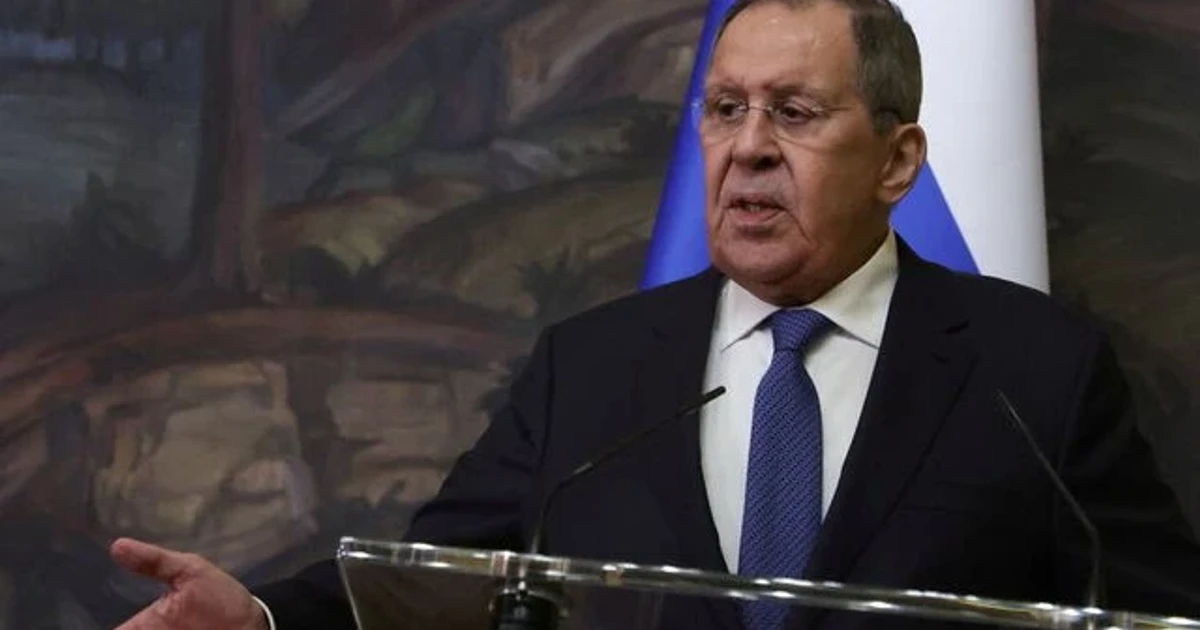
Russia wants to know whether Donald Trump has really changed his stance on the Ukraine war after Emmanuel Macron said the U.S. president had done so at the G7 summit. Sergei Lavrov’s comments turned a few lines from Évian-les-Bains into a wider test of whether Washington is moving closer to the European view that Moscow is not serious about negotiations.
Trump met Volodymyr Zelenskiy at the summit in France on June 16 and then urged Russia to make peace after what he called a very good meeting with the Ukrainian president. Zelenskiy said the next day that he had spoken with Trump and Macron in a “coordinating conversation” at the close of the summit, a sign that Kyiv and Paris were trying to keep the White House tied into the European line on Russia.
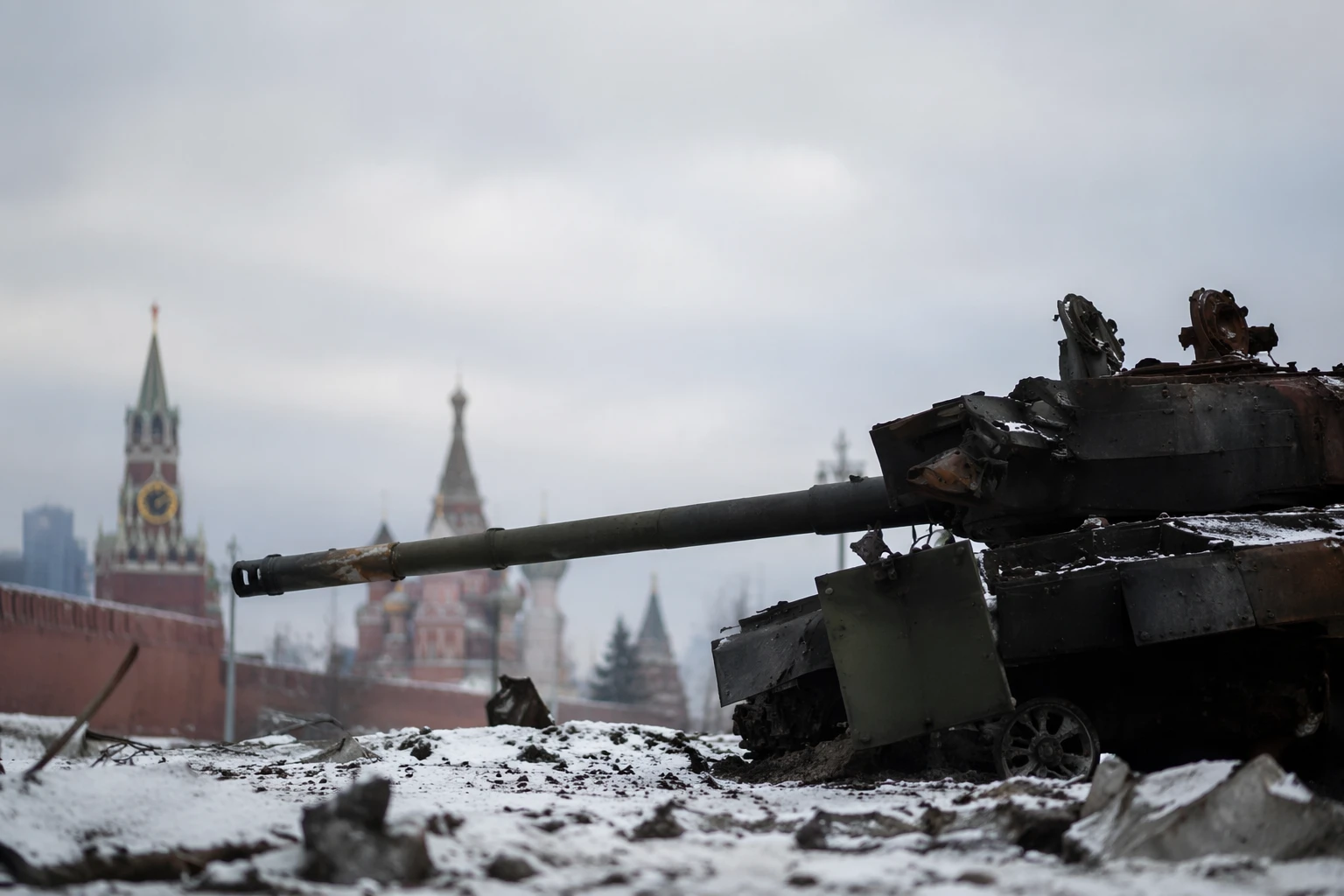
Macron later said in a June 18 interview that Trump had arrived thinking Ukraine was losing but changed his mind after seeing Ukraine’s resilience. That remark matters because even a subtle change in Trump’s language can move expectations in Moscow, Kyiv and NATO capitals about sanctions, military aid and diplomacy. If the White House is leaning harder toward pressure on Moscow, the Kremlin faces a less forgiving political climate. If the comments were only a tactical turn at the summit, Russia may still see room to exploit uncertainty between Washington and Europe.
The G7 leaders used the meeting to back stronger support for Ukraine and discuss additional sanctions aimed at bringing Moscow to the negotiating table. They also discussed boosting Ukraine’s air defenses and increasing pressure on Russia’s oil and gas sectors, a direct threat to the revenues that help finance the war. For Ukraine, those details matter as much as the rhetoric: a firmer U.S. line could affect the timing of ceasefire talks, the scale of military support and the battlefield assumptions both sides make over the summer.
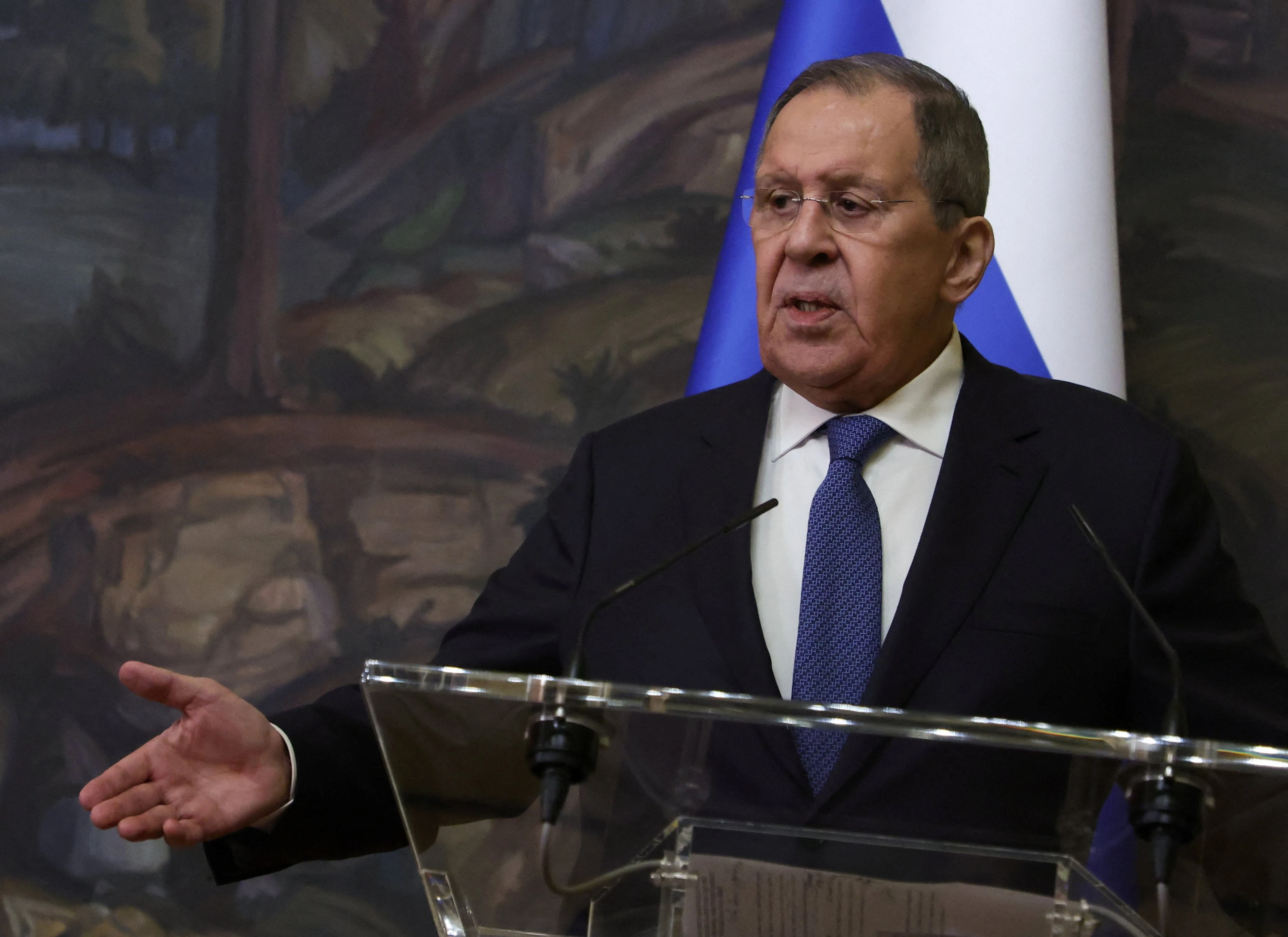
That is why Lavrov’s public question was less about immediate fighting than about strategic reading. Moscow has long tried to identify fault lines between Washington, Kyiv and European capitals, and Trump’s shifting language has opened a new one. The answer could shape not only the next round of diplomacy, but also how much credibility the White House still has with allies trying to hold a common front on Ukraine.
Sources
- [1]usnews.com
- [2]rte.ie
- [3]politico.eu
- [4]aljazeera.com
- [5]eurointegration.com.ua