World
Russia seeks logistics hub in Tartous to deepen Syria foothold
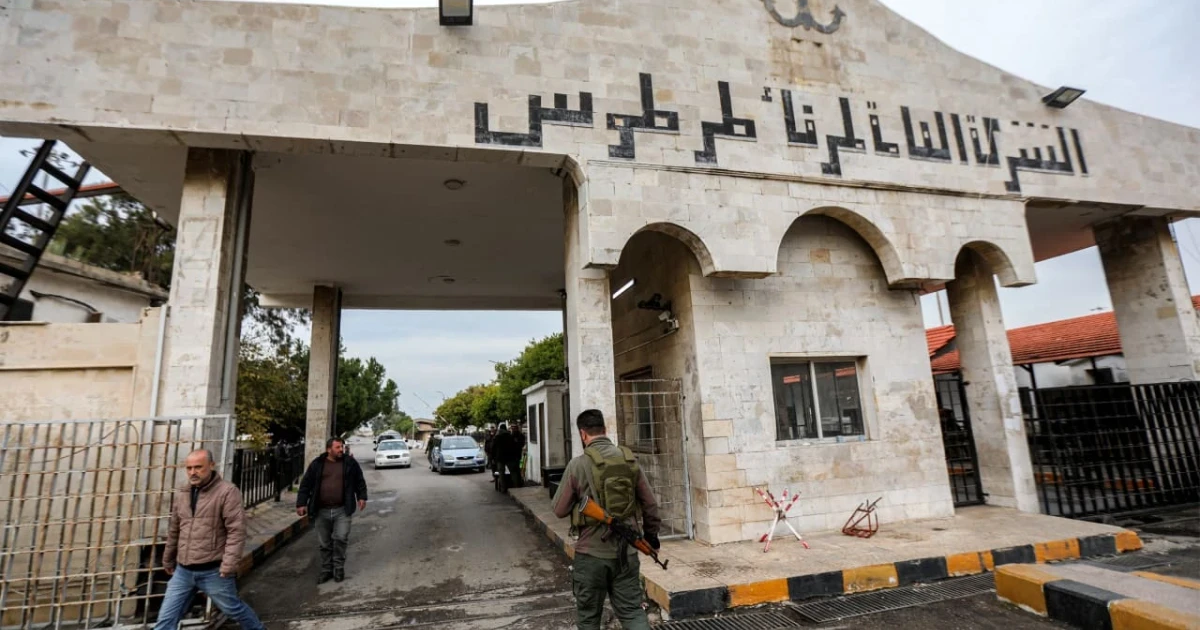
Russia aimed to have a commercial logistics hub operating by mid-July at Tartous, using one of two berths at the naval base it leases on Syria’s Mediterranean coast while keeping a military presence at the other. The plan called for handling Russian wheat, grains and other cargo at an initial rate of about 250,000 tons a month, a scale that would turn Tartous into more than a symbolic beachhead in the Eastern Mediterranean.
The push came as Moscow tried to preserve influence in Syria after the overthrow of Bashar al-Assad in 2024 stripped Russia of its closest regional ally. Russia has backed Syria for decades and intervened militarily in 2015 to help Assad during the civil war, so any shift in the use of Tartous and Hmeimim carries both strategic and political weight. A commercial node on the Syrian coast would give Moscow a way to keep leverage in the country through shipping, food and trade ties even as the battlefield landscape changed.
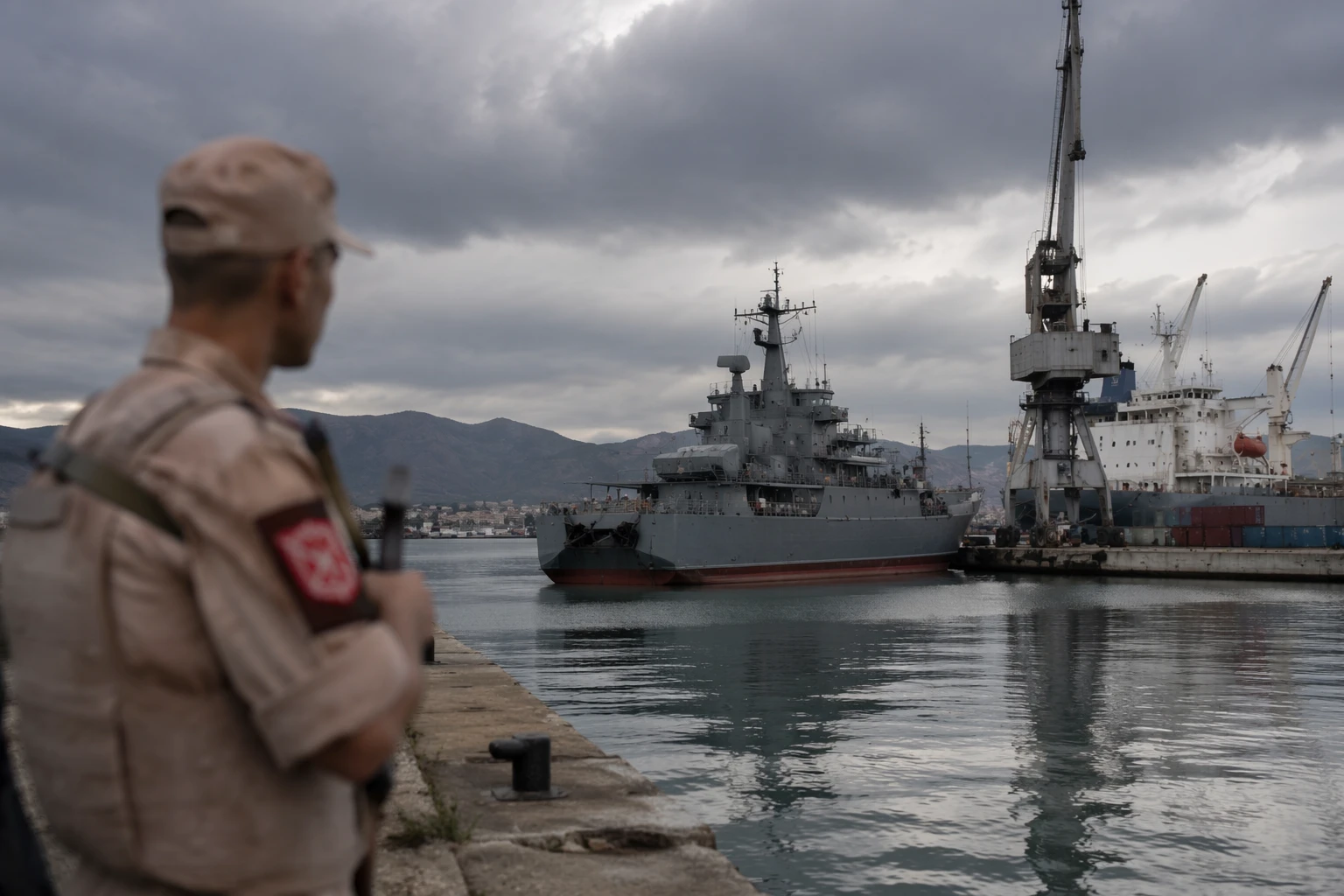
Mazen Alloush, spokesman for Syria’s General Authority for Ports and Customs, denied that Russia would operate a commercial logistics hub at Tartous and called the reports entirely false. He said any port or border agreements would be announced only through official government channels. The denial underscored how sensitive the port has become as Damascus tries to balance new ties with Western and Gulf states against continued cooperation with Moscow on food, energy and security.
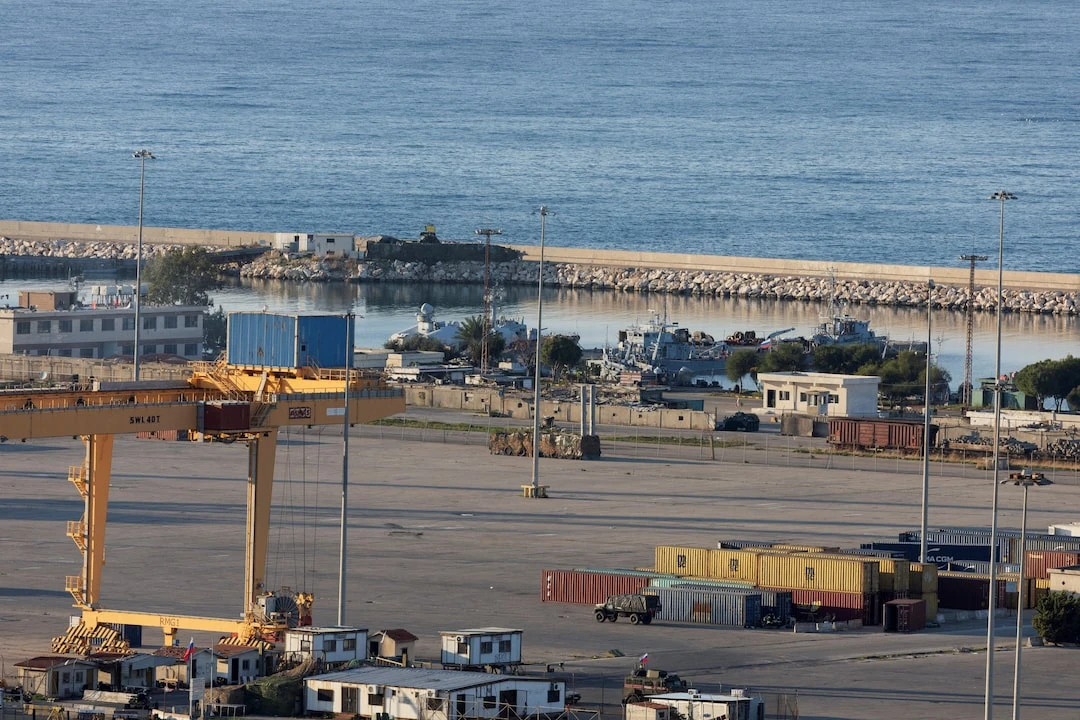
The fight over Tartous is not only about Russia. DP World signed a 30-year concession in July 2025 with Syria’s General Authority for Land and Sea Ports and said it would invest $800 million to modernize the port and turn it into a regional trade hub. At the same time, a Syrian customs document showed that about 85% of Syria’s imported wheat, or 2.9 million tons for the 2025-26 season, comes from Russia and Russian-occupied Crimea, making the port central to food security as well as commerce.
Syria also canceled a 49-year contract that had given Stroytransgaz the right to develop commercial facilities at Tartous, another sign that the port has become a contested asset in postwar reconstruction. With the U.S. government looking to steer contracts toward American firms and curb Moscow’s military presence, Tartous has emerged as a testing ground for how far Russia can convert wartime access into a long-term economic corridor.
Sources
- [1]jpost.com
- [2]usnews.com
- [3]dpworld.com
- [4]aawsat.com
- [5]moscowtimes.com