World
Russia strikes Ukraine rail and fuel infrastructure, killing driver

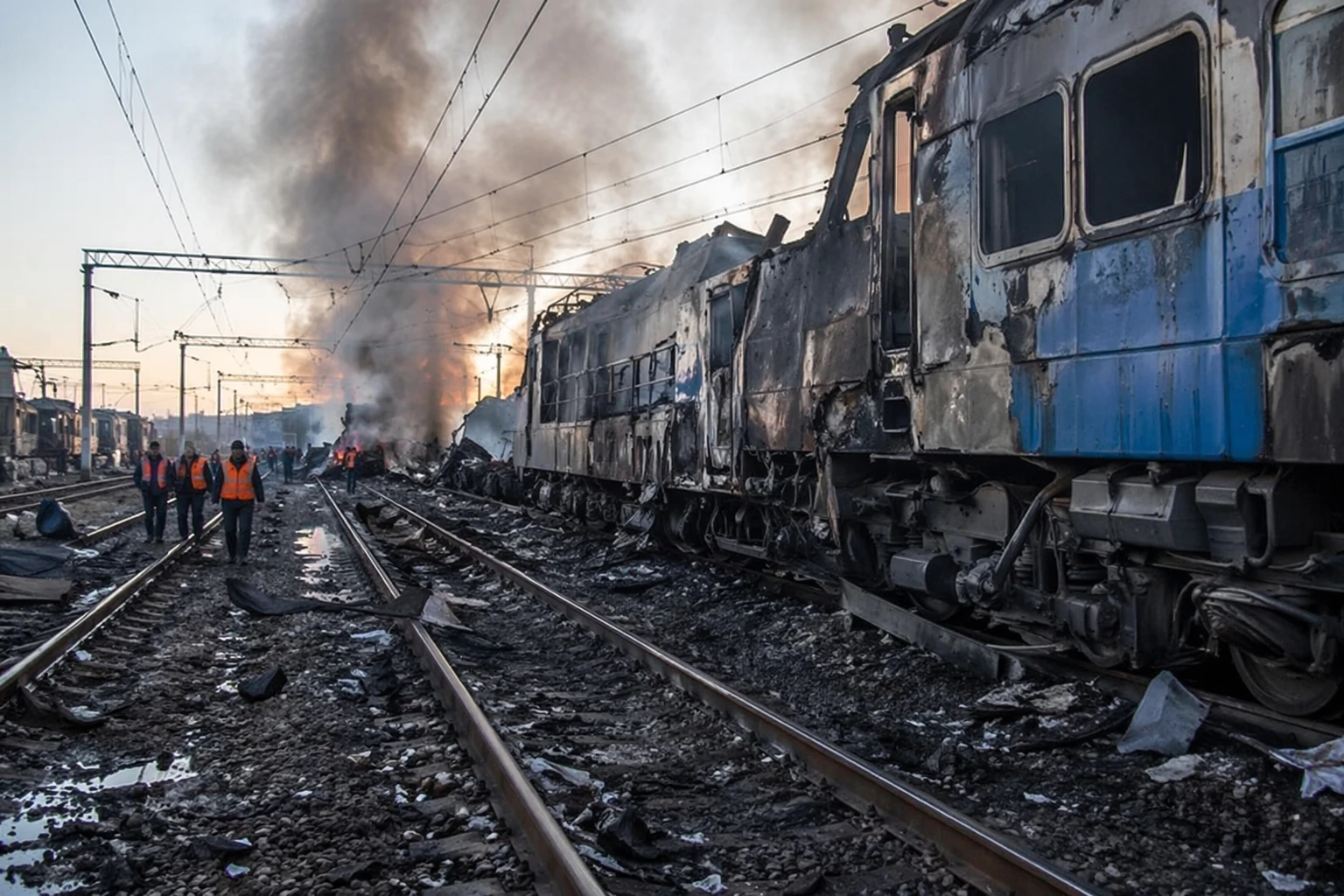
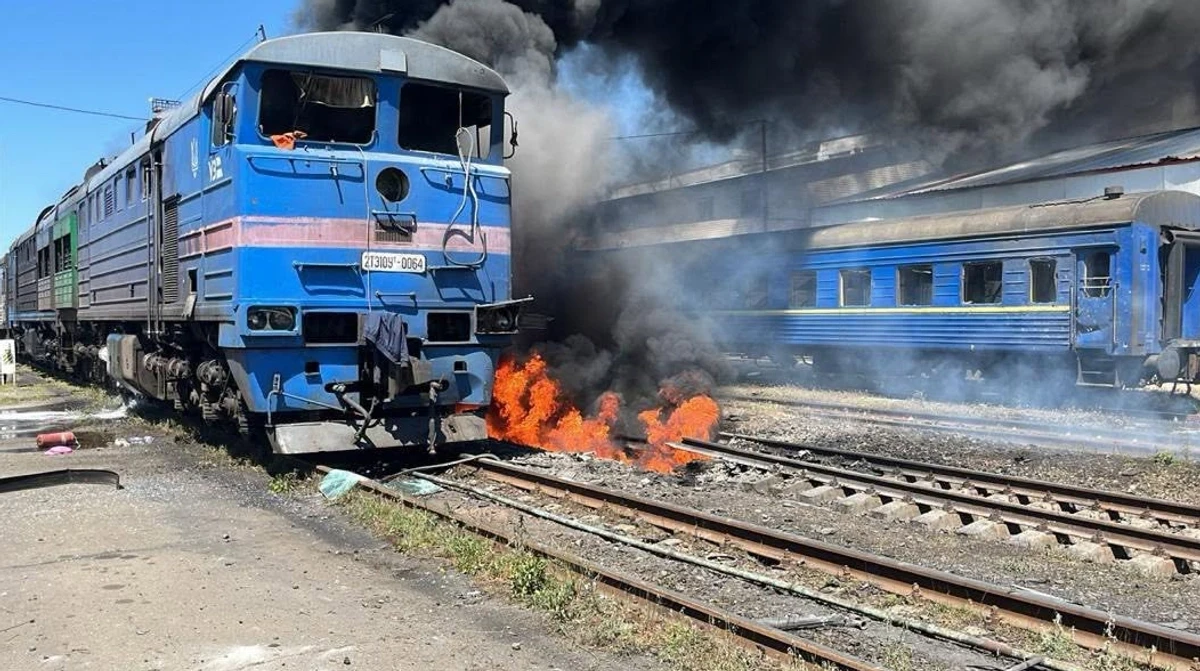
Russia hit three rail locomotives and two petrol stations across Ukraine, killing one rail worker and deepening the strain on a transport system that carries civilians, freight, military supplies and emergency aid. The strikes landed as Russia continued to target the infrastructure that keeps daily life moving far from the front line.
Ukrzaliznytsia chief Oleksandr Pertsovskyi said one strike hit a locomotive in the northeast Sumy region and others struck locomotives in the south, in Zaporizhzhia region. Ukrinform said the attacks were three strikes on Ukrzaliznytsia locomotives in Zaporizhzhia and Sumy regions and that the person killed was a locomotive driver’s assistant. The rail company’s rolling stock and crews have become repeated targets as Ukraine depends on trains to move people out of danger, shift freight and keep wartime logistics functioning.
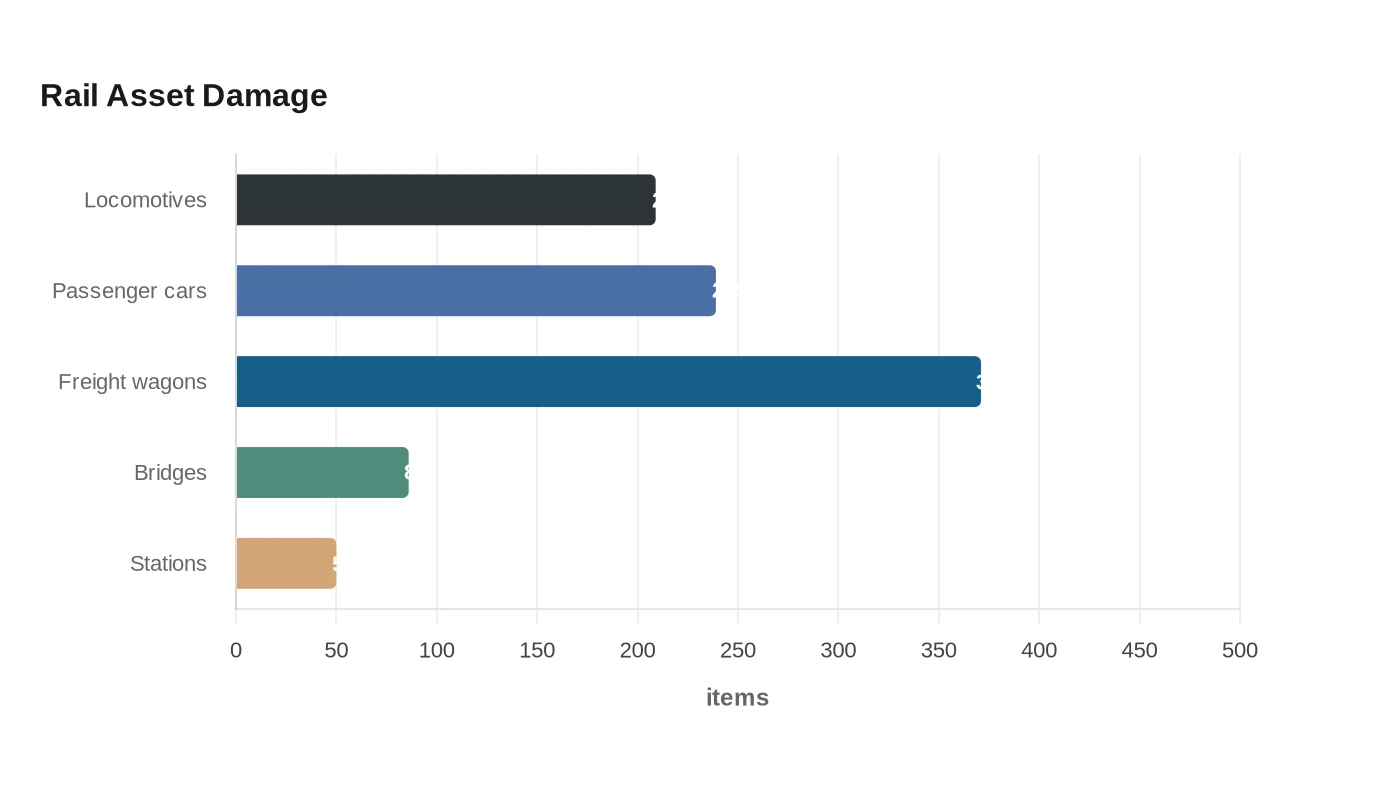
The damage fits a wider campaign against railway assets. Ukrzaliznytsia has said Russian strikes damaged 209 locomotives, 239 passenger carriages, 371 freight wagons, 86 railway bridges and 50 stations in 2025 and the first quarter of 2026. The company has also said Russian attacks on railway infrastructure exceeded 1,000 in 2025, a pace of disruption that forces repairs, rerouting and backup planning across a network that links the country’s regions under constant bombardment.
Russia has also increasingly used long-range Shahed drones to strike key nodes in Ukraine’s railway system, a tactic that extends the reach of the war into depots, junctions and other logistics points. President Volodymyr Zelenskyy described Russian attacks on rail and logistics routes as "logistics terror" in February, a label that captures how strikes on locomotives and fuel stations can slow troop movement, complicate evacuations and raise the cost of moving grain, medicine and fuel.
Ukraine has responded with its own long-range strikes on Russian energy assets, turning infrastructure into a contested battlefield as both sides try to cut supply lines and weaken rear-area resilience. Even when the immediate casualty count is limited, attacks on rail and fuel facilities ripple outward through emergency services, regional commerce and the state’s ability to keep trains running.
Sources
- [1]usnews.com
- [2]ukrinform.net
- [3]alarabiya.net
- [4]kyivindependent.com
- [5]english.nv.ua
- [6]aljazeera.com