World
Russia targets Japan for machine-tool secrets in tech spy push
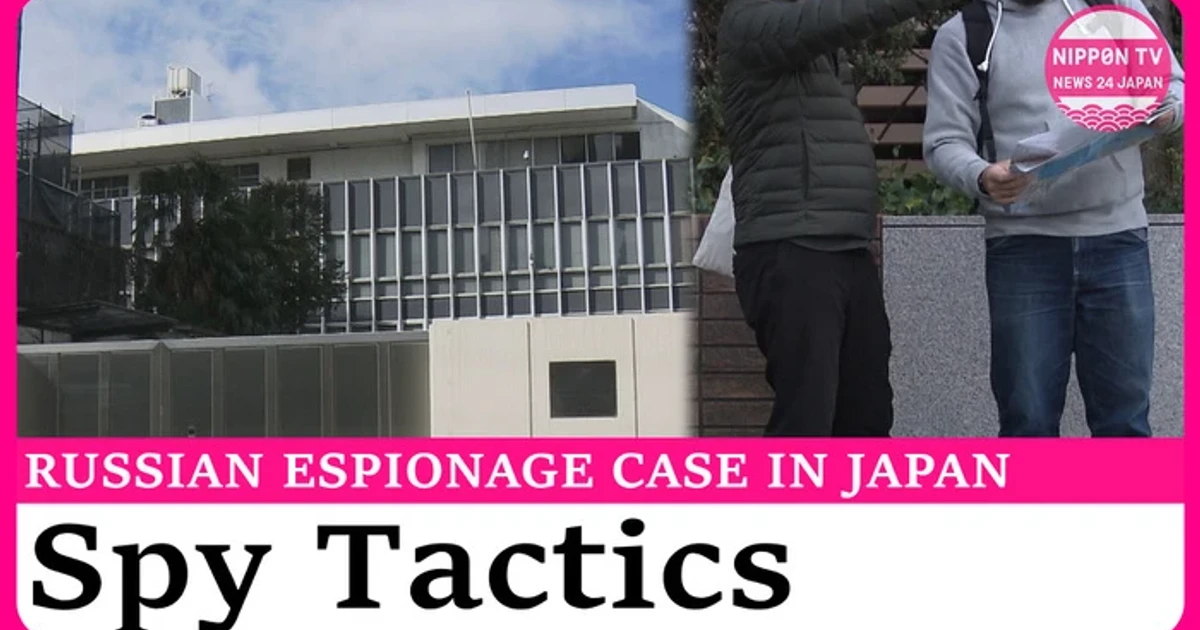
Operating from a Tokyo high-rise, Russian intelligence officers have targeted the machine-tool know-how that helps keep Moscow’s war economy moving. The push fits a broader campaign by Russian spy services to steal Western technology and defense secrets after sanctions tightened around Russia following its 2022 invasion of Ukraine.
In early 2025, Japanese reporting described a Russian intelligence officer under diplomatic cover who posed as a trade official and tried to recruit or work with a Japanese employee at a machine-tool maker to obtain technical information. The allegation pointed to a familiar espionage pattern: use diplomatic access, identify engineers and managers, then extract manufacturing details that can be converted into military advantage.
Japan is a prime target because it remains a major source of advanced machine tools and precision manufacturing equipment, the kind of dual-use technology that can support weapons production. Intelligence officials said Russian services had grown more aggressive in seeking Western technology as sanctions squeezed wartime industry, and Western officials documented 145 sabotage and disruption incidents in Europe since the 2022 invasion.

The pressure on Japan has not been limited to covert collection. Japan’s Ministry of Defense has said China’s military activities around Japan remain a matter of grave concern, while Japanese and Russian aircraft and naval activity near the archipelago have stayed under close watch. Analysts have also said Russia’s regional military activity around Japan increased after the invasion of Ukraine.
Leaked Russian military documents added to the picture, listing 160 potential targets in Japan and South Korea for a hypothetical conflict. The papers dated from 2008 to 2014, underscoring that Moscow’s interest in the region predated the war in Ukraine but now sits alongside a sharper sanctions-evasion drive.
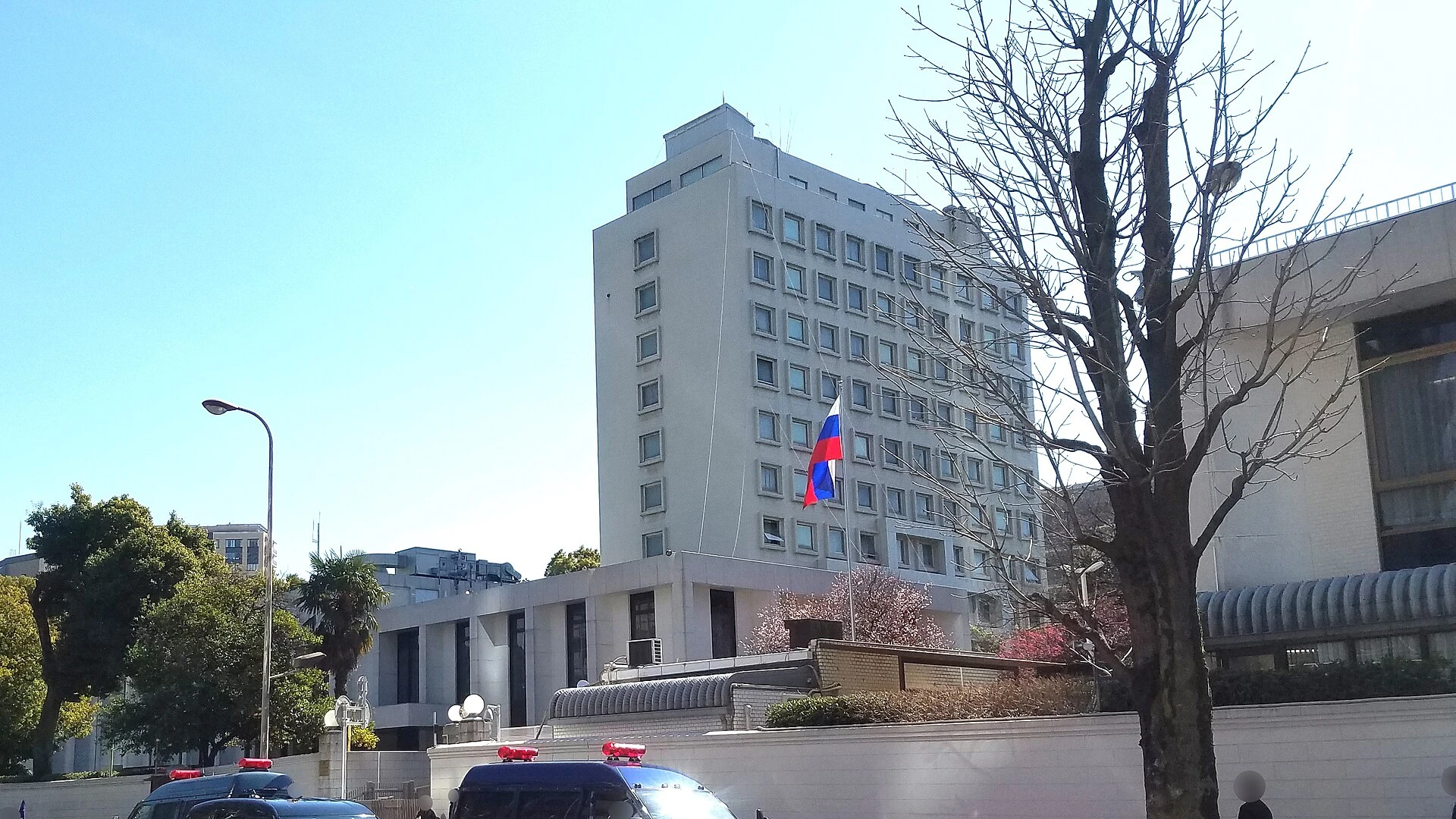
For U.S. policymakers, the warning is straightforward: export controls and counterintelligence are linked. If Russian services can still tap allied manufacturing networks for machine tools, technical know-how and other dual-use items, sanctions lose force and Moscow keeps feeding the industrial base that sustains its war.
Sources
- [1]nytimes.com
- [2]apnews.com
- [3]yahoo.com
- [4]united24media.com
- [5]orfonline.org
- [6]mod.go.jp