World
Russia weighs easing fuel standards as refinery strikes squeeze supply
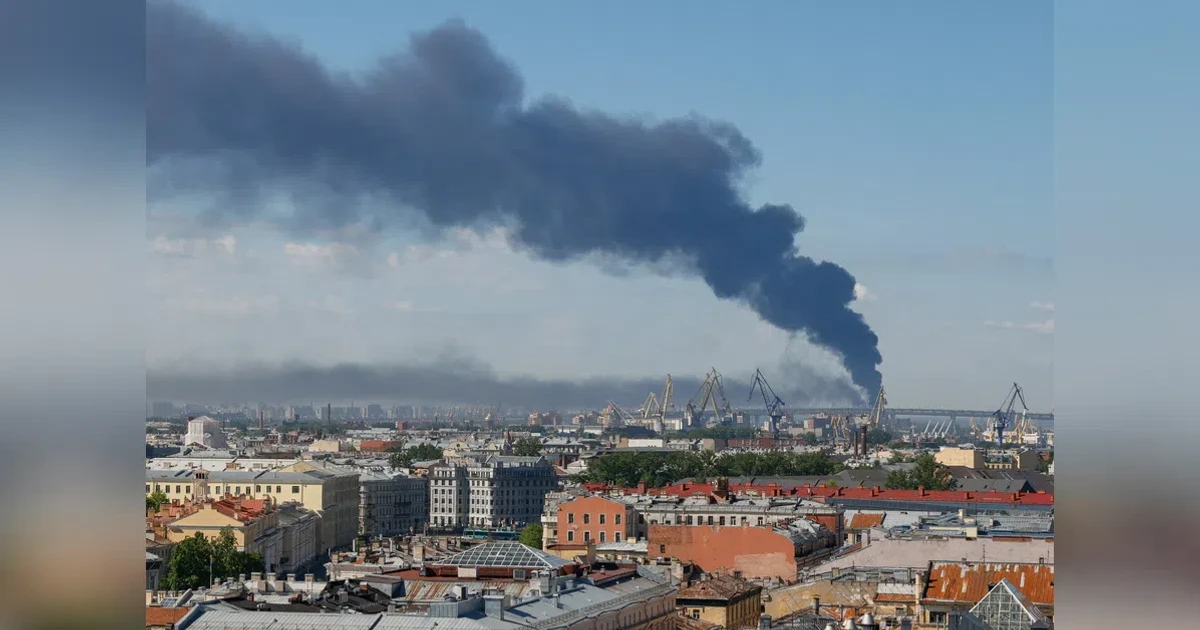
Moscow is weighing a temporary rollback in fuel standards to keep gasoline and diesel moving after Ukrainian strikes on refineries squeezed supplies and pushed prices higher. The plan would let companies produce and import fuel meeting Euro-2 standards, a lower-quality grade with higher sulfur content, for about a year until July 2027.
The move would mark a sharp retreat from environmental rules Russia has kept in place for years. Euro-2 fuel has been banned in Russia since 2013, and the proposed waiver would also open the door to imports of lower-grade fuel, easing immediate pressure on the market but raising quality-control and pollution concerns.
The strain on the system has been visible for weeks. Russia was already in talks with Kazakhstan to import about 50,000 metric tons of AI-92 gasoline to cover a domestic shortage caused by refinery outages and unscheduled repairs. Industry sources said refinery shutdowns in central Russia after drone attacks had cut gasoline output by roughly 25% year-on-year by late June.
President Vladimir Putin acknowledged the shortages at a meeting with government ministers and other officials on June 28, saying a task force was working to ensure sufficient fuel supplies across the country. He also said Russia needed to minimize the effects of strikes on oil installations, a public acknowledgment that the attacks had begun to ripple beyond military targets and into everyday fuel markets.
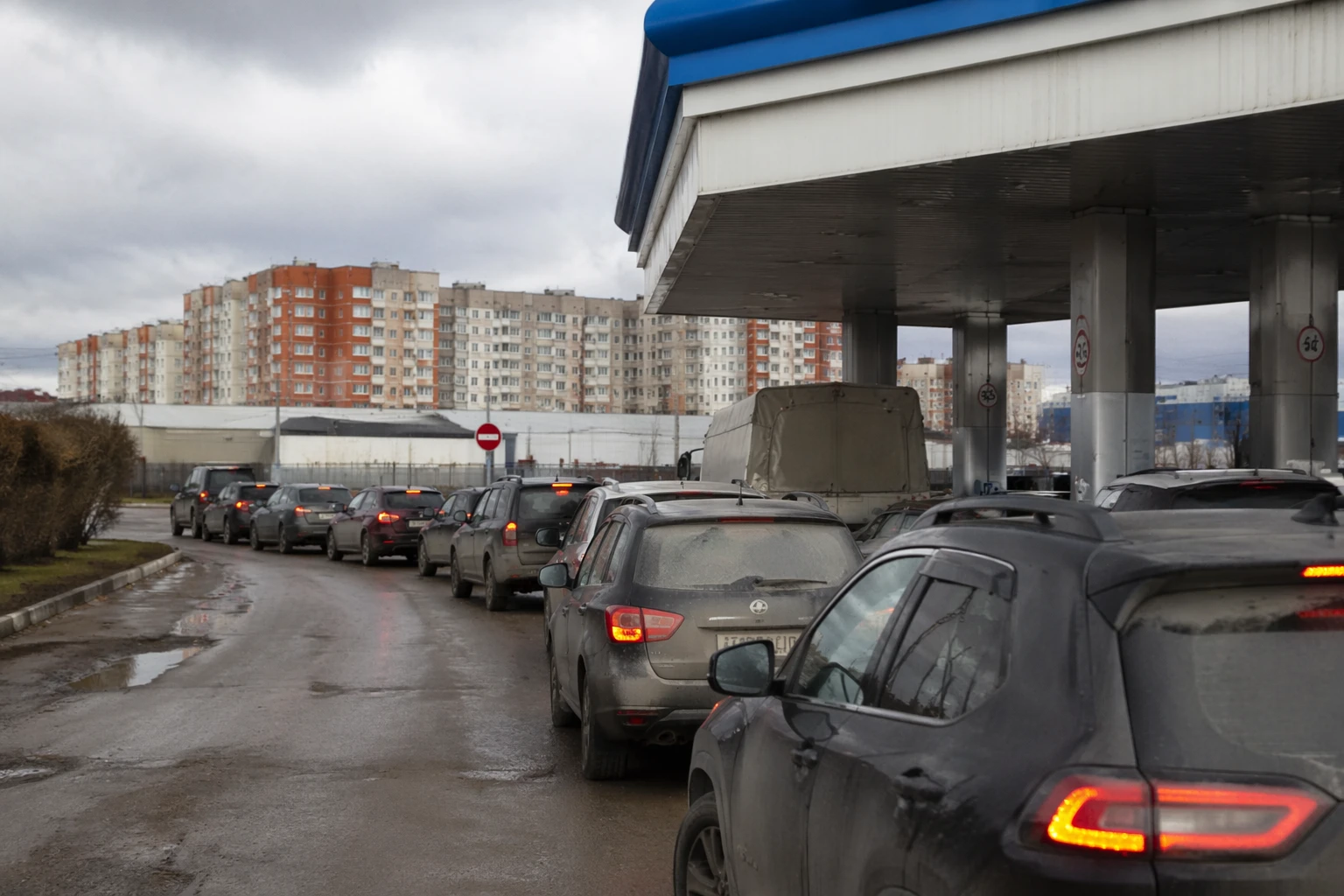
The shortages were no longer confined to isolated sites. RFERL said more than half of Russia’s 83 regions were struggling with gasoline shortages, and at least 17 regions had imposed mandatory restrictions on gasoline and diesel sales. In several places, drivers faced queues and rationing as local authorities tried to keep stations supplied.
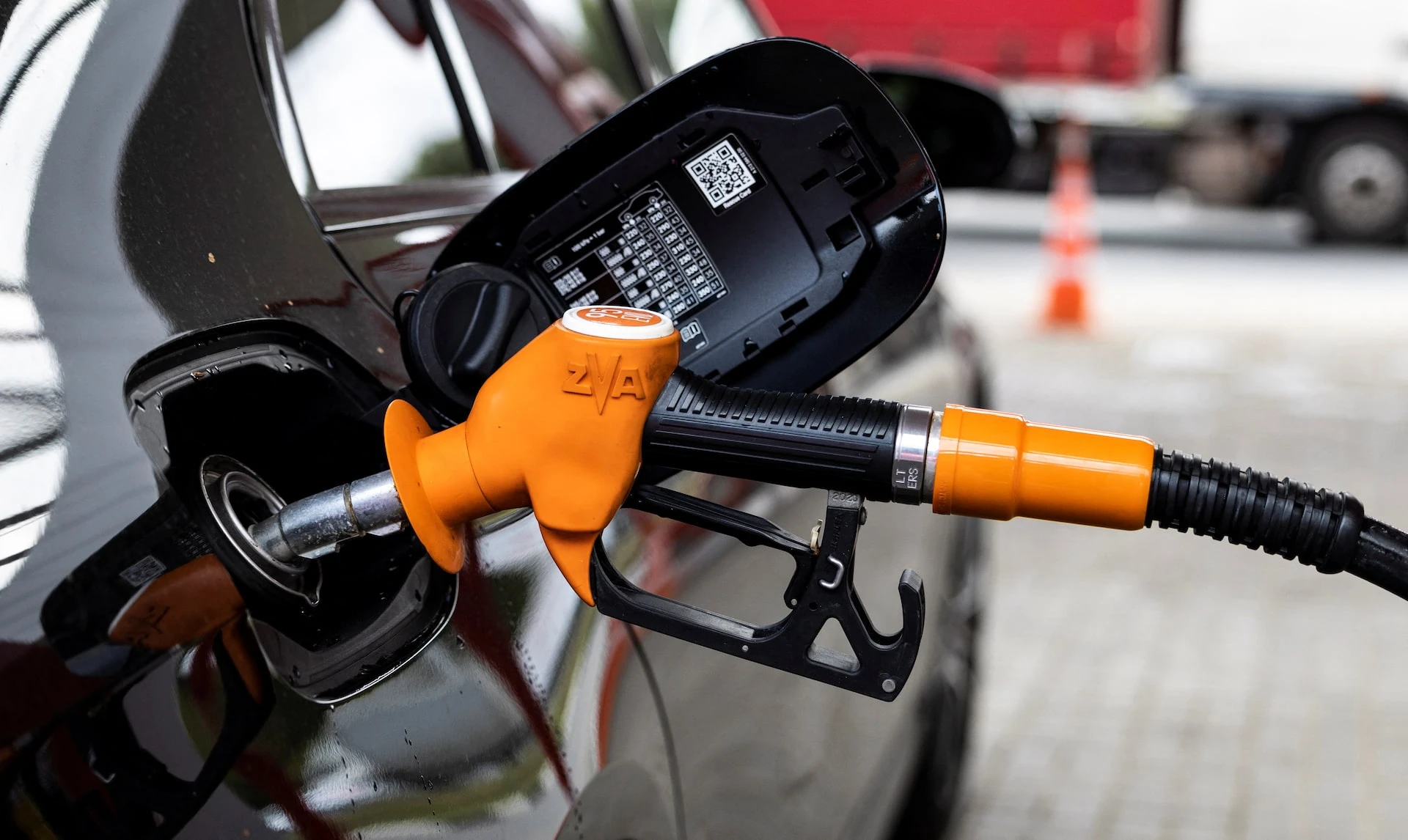
Meduza said imported Euro-2 fuel would be exempt from the technical regulations of the Eurasian Economic Union, making the emergency measure easier to deploy. An industry expert cited by the outlet said Euro-2 fuel can be made from naphtha without deep refining, which makes it cheaper and simpler to produce, but also leaves it with higher sulfur content.
For consumers and businesses, the immediate trade-off is clear: more fuel at the pump, but lower standards and weaker environmental safeguards. For Russia, the discussion shows how attacks on energy infrastructure are forcing the state to choose between supply security and quality control, while absorbing the domestic economic costs of a war that is increasingly disrupting transport, agriculture and industry.
Sources
- [1]business-standard.com
- [2]msn.com
- [3]cnbc.com
- [4]rferl.org
- [5]meduza.io