World
Russian air defense missile hits Moscow oil refinery amid drone raid
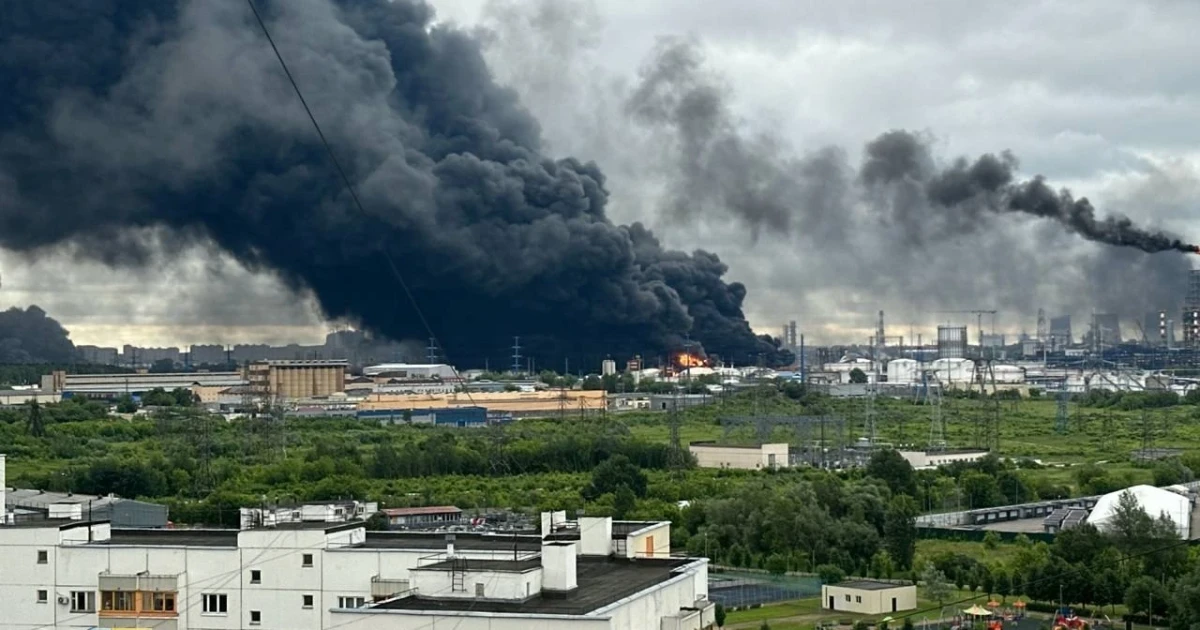
A Russian air-defense missile may have turned Moscow’s latest drone raid into a self-inflicted blaze. Video analysis of the explosion at the Moscow Oil Refinery pointed to a Pantsir missile striking a fuel tank, a stark reminder that the systems built to shield the capital are now operating under punishing pressure.
Russia said its forces destroyed about 555 drones nationwide during the overnight assault on June 18, while Moscow Mayor Sergei Sobyanin said about 180 were intercepted as they approached the city. The refinery, operated by Gazprom Neft in the Kapotnya district about 15 kilometers southeast of central Moscow and roughly 15 kilometers from the Kremlin, was among the main targets. Local reporting and authorities said the blast followed the missile’s arrival almost immediately, and the fireball was visible across parts of the capital.
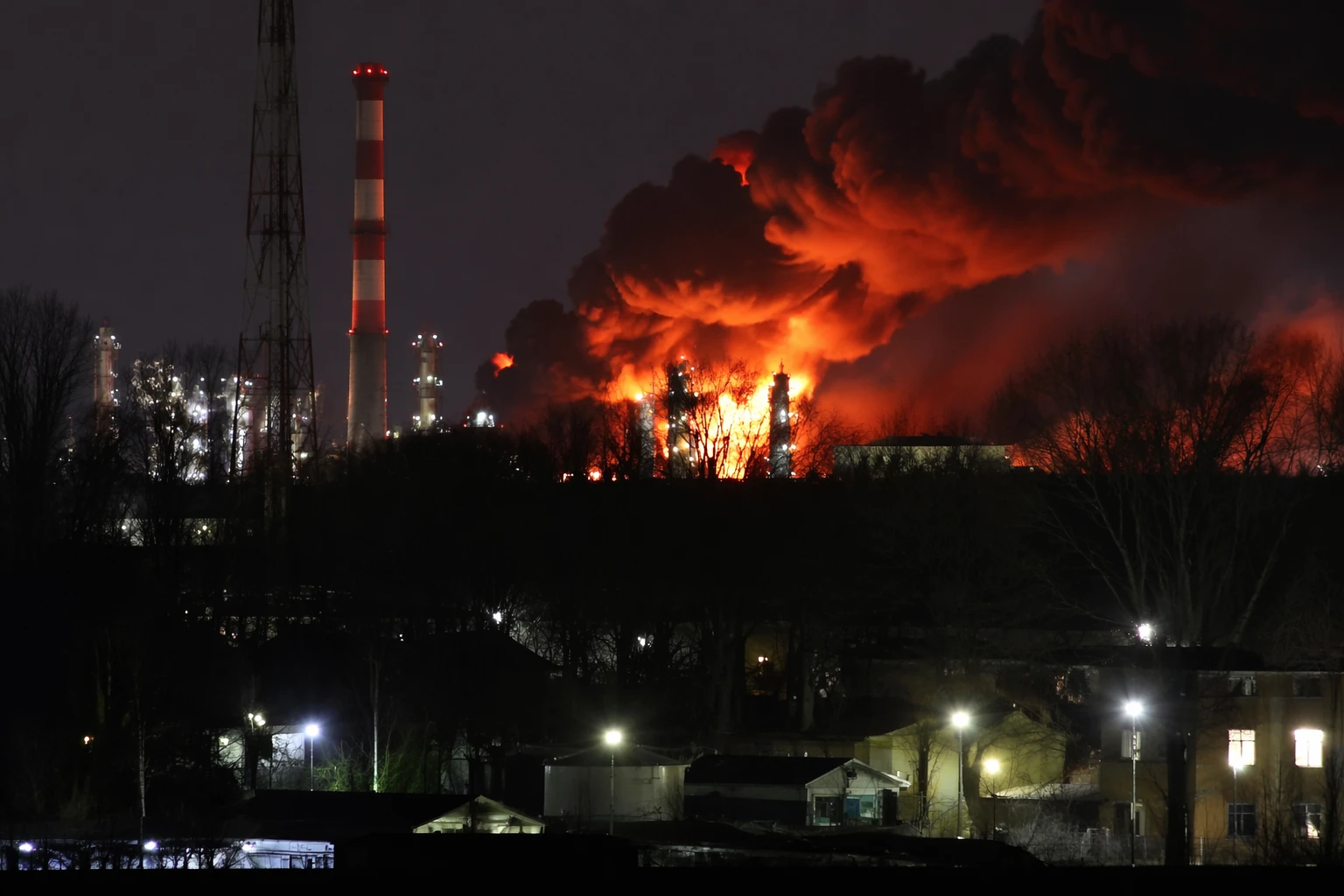
Independent Russian media and open-source analysts, including Astra, said the video showed the missile coming from a northeasterly direction before the explosion. That assessment raised the possibility that Russian air defense, rather than a Ukrainian drone impact, triggered the blast that ripped through one of Moscow’s most important fuel facilities. The episode captured the fog-of-war problem inside Russia’s own air-defense perimeter: when drones are coming in waves, the attempt to stop them can itself become a source of damage.
The refinery is not just another industrial site. It supplies around a third of Moscow’s gasoline and fuel, and Reuters reported that the June 18 strike damaged processing units and sparked multiple fires. Reuters also reported that the plant had been hit two days earlier, on June 16, after which operations were halted. The repeated attacks left residents describing thick black smoke, and in some areas contaminated black rain. Flights were disrupted as the assault spread across the capital, and passengers were evacuated from Sheremetyevo Airport.
Ukrainian officials said the facility supports Russia’s military effort, while Ukrainian President Volodymyr Zelenskyy said the June 18 strike was a justified response to Russian attacks on Ukrainian cities and communities. Whatever the intended target, the result showed the strategic irony of Moscow’s position: air defenses meant to protect critical infrastructure may now be helping endanger it, as repeated drone raids test both the capital’s defenses and the resilience of its fuel supply.
Sources
- [1]nytimes.com
- [2]usnews.com
- [3]themoscowtimes.com
- [4]english.nv.ua
- [5]abcnews.com
- [6]rferl.org