Technology
Russian authorities used Cellebrite to hack activist Andrey Pivovarov’s iPhone
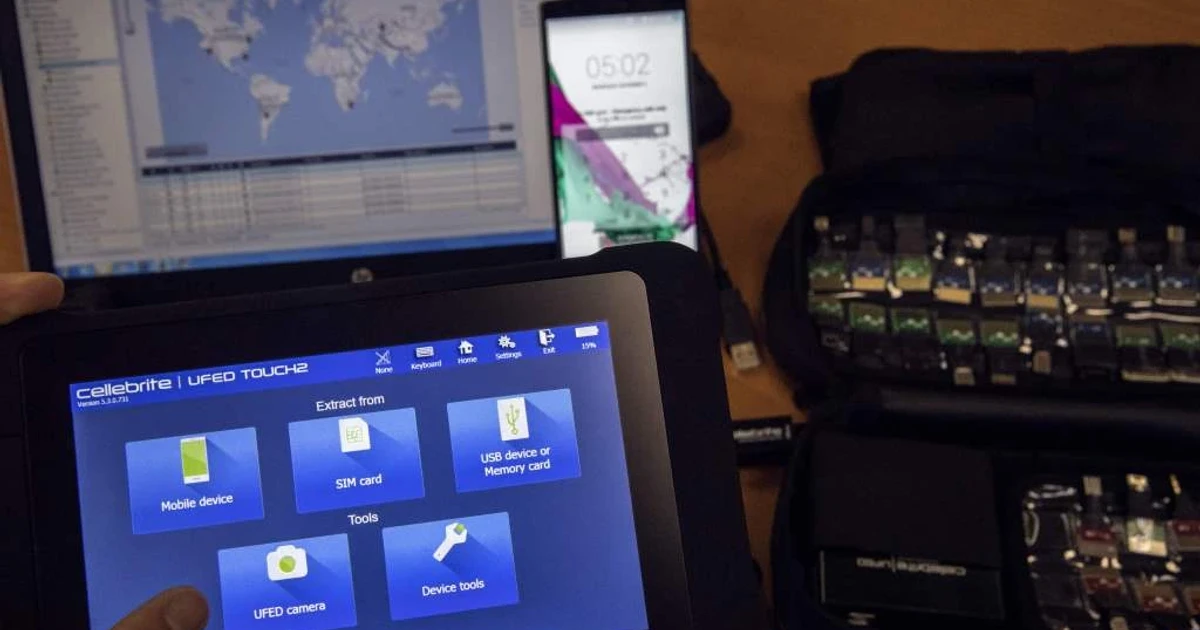
Russian investigators used Cellebrite’s UFED to unlock Andrey Pivovarov’s iPhone after the company said it would stop selling to Russia and Belarus. The extraction reached beyond his device and into a political case built around his work with Open Russia, showing how a sales cutoff can fail once surveillance tools are already in state hands.
The Citizen Lab said Russian authorities deployed Cellebrite’s forensic tools against Pivovarov after his detention on May 31, 2021, at St. Petersburg Airport, when he was removed from a flight. His confiscated devices included an iPhone 12 and an Apple MacBook, and he did not consent to the search or provide his passwords. Russian authorities’ own documents, the researchers said, confirm that the extraction was used to look for information about his political activity and personal life.
Cellebrite announced on March 18, 2021, that it would immediately stop selling its solutions and services to customers in Russia and Belarus. Citizen Lab’s findings show that Russian authorities continued using Cellebrite after that cutoff, underscoring the limits of sanctions and voluntary sales bans when law-enforcement agencies already possess the hardware and training to use it.

Pivovarov, a former director of Open Russia, was sentenced in July 2022 to four years in prison on charges tied to carrying out the activities of an “undesirable” organization. He was freed on August 1, 2024, in a prisoner exchange.
The case fits a wider pattern that rights groups have warned about for years: Russian law-enforcement and security agencies have previously been documented using Cellebrite tools to break into detainees’ phones. In Pivovarov’s case, the harm was immediate and personal. A device seized at an airport became a repository for data that investigators then used to probe his politics, his contacts and his private life, even after Cellebrite had said Russian and Belarusian customers were cut off.

For activists and opposition figures, that gap matters because the chain of access does not end when a vendor closes an account. Once phone-unlocking systems are in the possession of state authorities, export controls can do little to reverse the breach or protect the people whose phones are taken.
Sources
- [1]techcrunch.com
- [2]citizenlab.ca
- [3]cellebrite.com