World
Russian drone strike sets Kharkiv Art Museum ablaze, injures baby and women
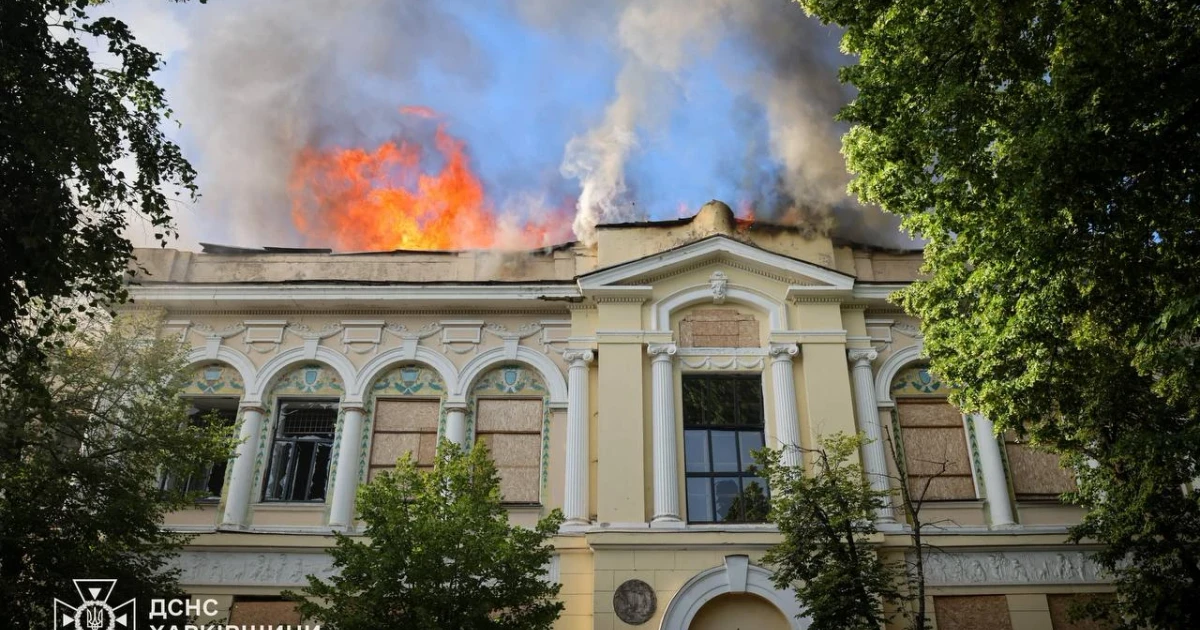
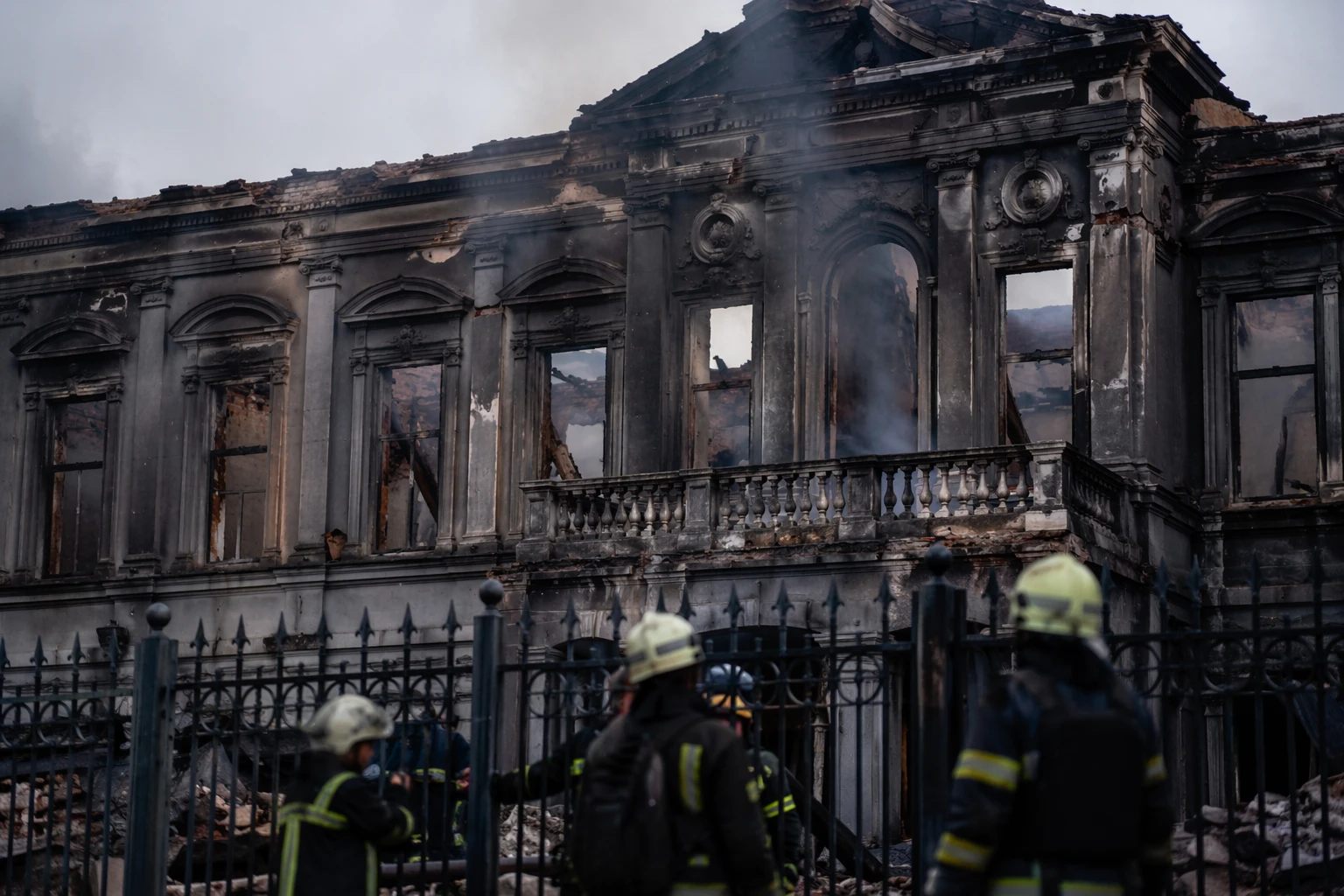
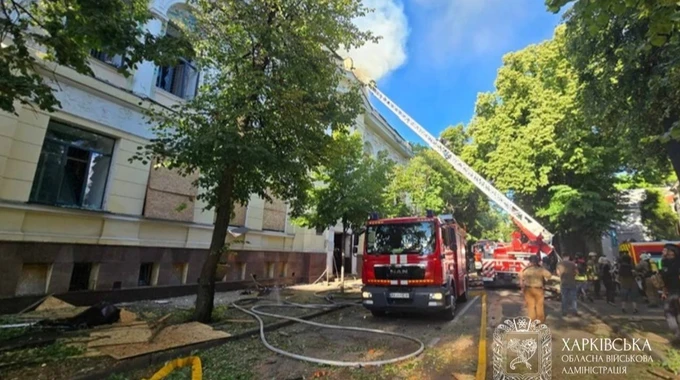
A Russian drone strike ripped through Kharkiv’s Kyivskyi district and set the Kharkiv Art Museum ablaze, leaving a one-month-old baby and four women injured as firefighters fought a fire that spread across more than 1,200 square meters. The infant was hospitalized, while the women, ages 62, 34, 28 and 22, were reported stable after the attack on the evening of June 14.
Governor Oleh Syniehubov said the strike triggered a major fire at one of the city’s best-known cultural institutions. The State Emergency Service called it “another act of Russian terrorism” and described the hit on the museum as a “cynical blow to a cultural and historical heritage site.” First responders worked under the threat of repeated strikes, and another wave of Russian drones reportedly hit a different district of Kharkiv while crews were still at the scene.
Museum staff, rescue crews, municipal workers, city officials, volunteers and local residents rushed to evacuate exhibits as flames climbed through the building. Kharkiv Mayor Ihor Terekhov said cultural valuables were urgently moved to shelter, and local reporting said historical canvases were carried into storage to protect them from fire and firefighting water. Volunteers were later seen carrying paintings from the museum, a frantic effort to save the collection from damage that could not be repaired.
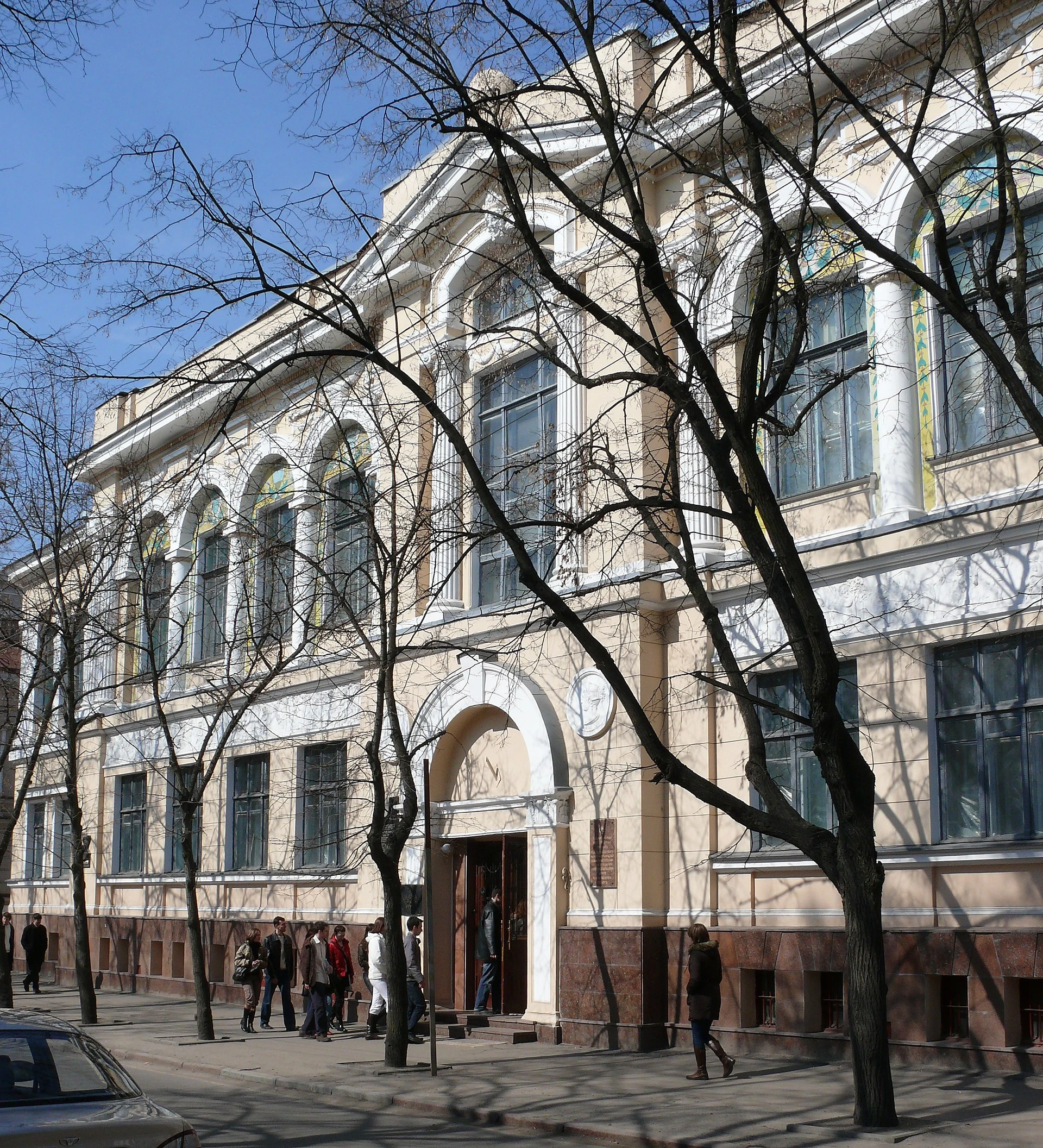
The strike hit more than a building. The Kharkiv Art Museum is a landmark of the city’s civic memory, designed by Ukrainian architect Oleksiy Beketov and built in 1912 as a mansion for the industrialist I. E. Ignatishchev. Founded in 1905, the museum holds about 25,000 works, including paintings, graphics, sculpture and decorative art, with pieces by Ukrainian masters such as Taras Shevchenko and Illia Repin. An older Encyclopedia of Ukraine entry said the museum had nearly 20,000 works in the 1980s, underscoring how the collection grew into one of the region’s major artistic archives.

The damage carried a wider public health and social cost than the casualty count alone suggests. A baby was hospitalized, women were injured, and the city’s museum workers and rescuers were forced to choose between saving lives and saving irreplaceable art while the threat of another drone strike lingered overhead. In a war that keeps erasing ordinary civic life, the attack on Kharkiv’s museum showed that cultural institutions are not only symbols of identity but strategic targets in the destruction of a community’s memory, continuity and recovery.