World
Russian hardliners push Putin to escalate after Ukrainian drone strikes
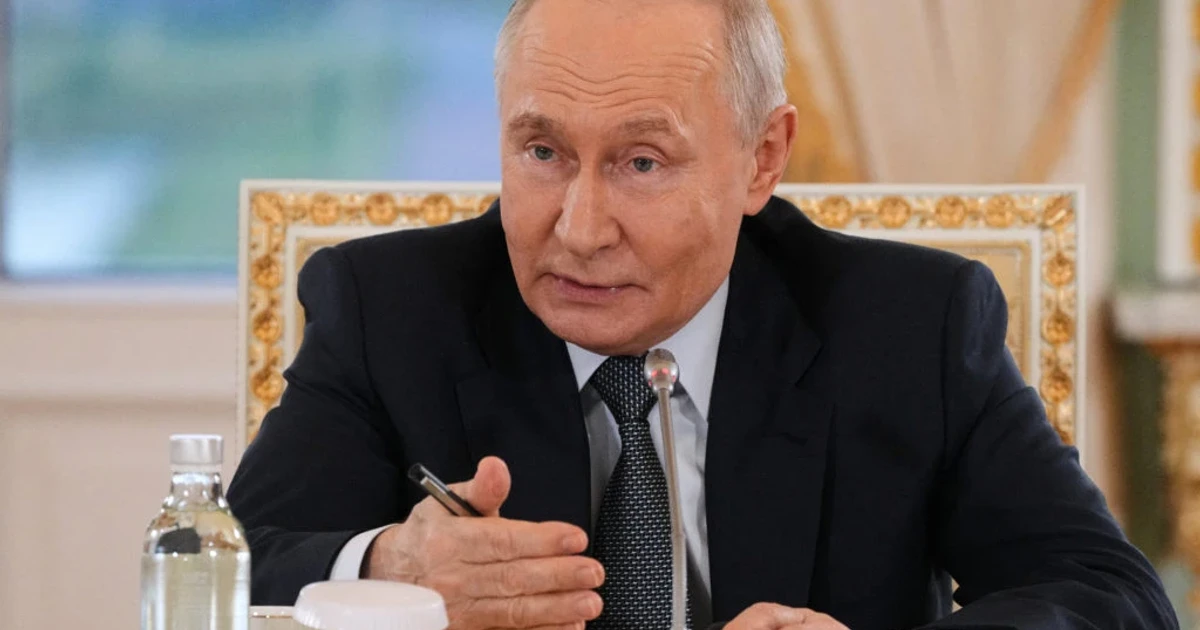
Ukrainian drone strikes that reached Moscow, St. Petersburg and Crimea have sharpened pressure on Vladimir Putin from Russian hardliners who want him to abandon diplomacy and answer with escalation.
Nationalist voices are again calling for full mobilization, strikes on European drone factories, attacks on Kyiv’s government quarter and even the use of tactical nuclear weapons. Those demands are not new, but they have grown louder after a June barrage that included what Russia’s Defense Ministry described as one of the heaviest drone assaults of the war, hitting a dozen Russian regions and Russian-held Crimea.
The latest wave has landed in places that carry political weight as well as military significance. On June 3, Ukrainian drones hit an oil terminal in St. Petersburg and a warship in dry-dock at a nearby naval base. On June 18 and June 23, strikes also hit a Moscow-area oil refinery, while Putin said Ukraine was trying to destabilize Russian society by targeting civilian infrastructure. Russian officials and state media have also linked two deadly attacks on passenger buses to the same broader pattern of escalation.
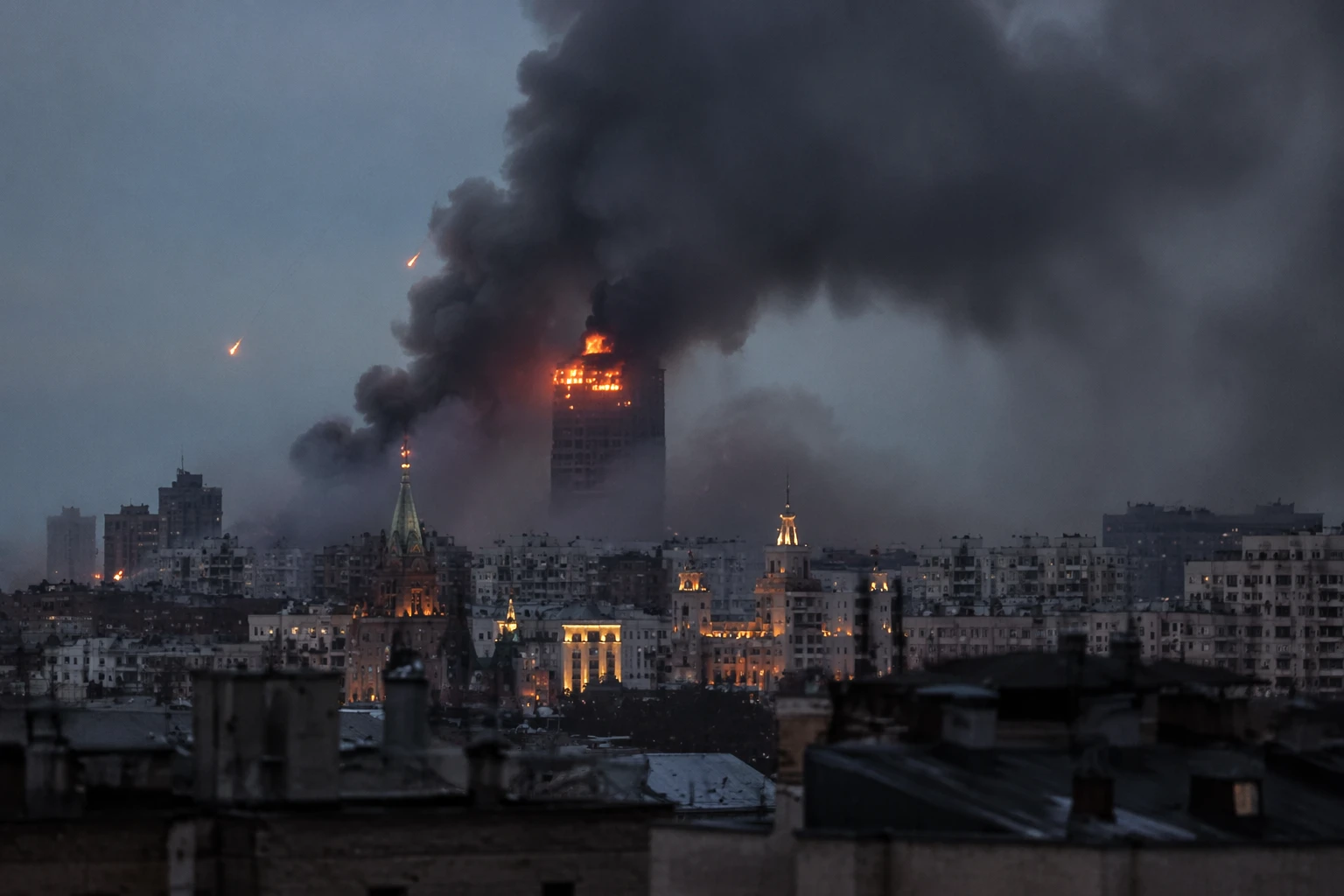
Volodymyr Zelenskyy said Russia was shifting air defenses toward Moscow and other key sites in response to the strikes, a sign that the campaign is forcing the Kremlin to divert resources into homeland defense. That shift matters inside Russia, where the leadership has tried to keep the war away from ordinary life even as the battlefield expands.
Putin has not publicly embraced the most radical demands. On June 4, he said Donald Trump’s peace proposals could end the war if Kyiv compromised, a reminder that Moscow still wants to keep diplomatic options open even while hardliners push for a more confrontational posture. The gap between that language and the demands of nationalist commentators is now widening.
The pressure is taking place against a broader nuclear backdrop. DGAP said in early June that Russia took several nuclear signaling steps in May that lined up with setbacks in Ukraine, and the Bulletin of the Atomic Scientists said Russia remains in the late stages of a long modernization program for its nuclear forces. That combination has given speculative talk of tactical nuclear weapons more weight in nationalist circles, even if the Kremlin has not moved toward such a step.
For now, the immediate consequence is less a formal policy shift than a harsher debate around the president. As Ukrainian deep strikes continue and Russian defenses are pulled toward Moscow and other priority targets, Putin faces a narrowing set of choices between escalation rhetoric and the strategic limits that still constrain the war.
Sources
- [1]yahoo.com
- [2]usnews.com
- [3]baltimoresun.com
- [4]msn.com
- [5]washingtonpost.com
- [6]dgap.org
- [7]thebulletin.org