Science
Russian Progress 95 Delivers Cargo to International Space Station
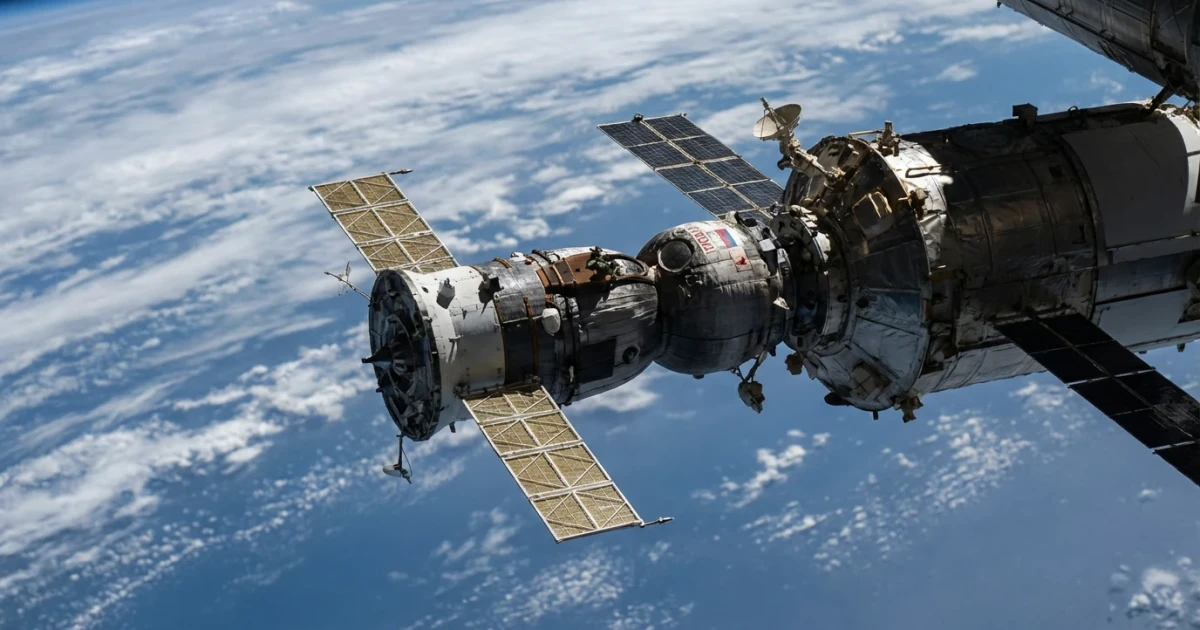
Russia successfully launched its Progress 95 cargo spacecraft from Kazakhstan, delivering three tons of supplies to the International Space Station (ISS). The mission, part of ongoing efforts to maintain the station’s operations, highlights the critical role of unmanned cargo deliveries in sustaining long-term human presence in orbit.
Mission Overview
The uncrewed Progress 95 spacecraft was launched from the Baikonur Cosmodrome in Kazakhstan, continuing a longstanding partnership between Roscosmos and international space agencies managing ISS logistics. According to NASA’s official mission log, Progress missions routinely deliver food, water, fuel, scientific equipment, and spare parts crucial for station upkeep and crew support.
Cargo Details and Resupply Significance
- Three tons of cargo were onboard, a standard payload for Progress missions
- Supplies included consumables, scientific hardware, and maintenance materials
- Unmanned launches like Progress 95 enable continuous station operations, even between crewed missions
Roscosmos data indicates that each Progress vehicle typically delivers between 2.5 and 3.5 metric tons of cargo. This consistency is vital for supporting the station’s rotating international crew and the large volume of science conducted each year.
International Collaboration and Logistics
The mission was covered by NASA and closely tracked by international partners. The ISS fact sheet underscores that the station relies on multiple cargo vehicles, including Russia’s Progress, NASA’s commercial resupply services, and other international partners. Progress spacecraft have delivered more than 167 metric tons of supplies since the ISS’s inception, according to NASA’s station logistics data.
Supporting Ongoing Science and Operations
Continuous cargo deliveries are essential to ISS operations, enabling ongoing research in microgravity and technology demonstrations. The supplies delivered by Progress 95 are expected to support Expedition 95 crew activities, including life support, science experiments, and station maintenance.
Looking Ahead
As the ISS continues its mission as a platform for international research and collaboration, regular resupply flights like Progress 95 remain indispensable. The successful launch and docking reinforce the reliability of Russia’s cargo program and the global cooperation needed to sustain humanity’s longest-running outpost in space.