Science
Russian Satellites Conduct Close Encounter in Orbit
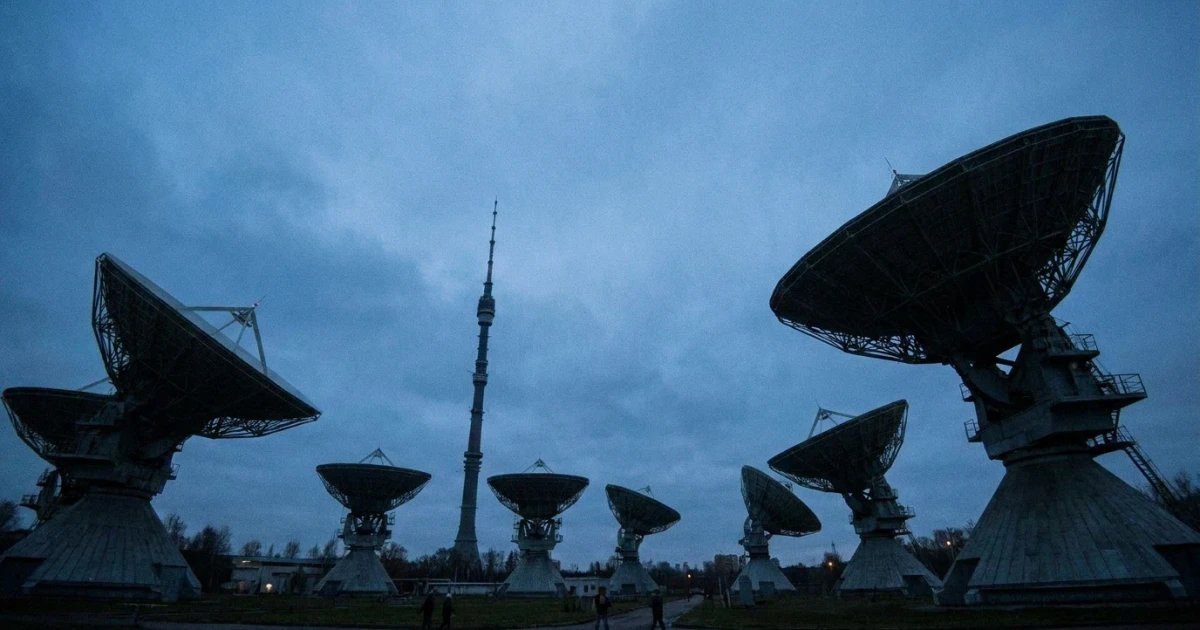
Two Russian satellites have passed within an exceptionally close distance of just three meters in orbit, an event that experts say highlights growing sophistication in Russian space operations and raises questions about the intent and technology behind such maneuvers.
Unprecedented Close Approach Captures Global Attention
The reported incident, first highlighted by Yahoo, involved two Russian satellites executing a near-synchronous orbit that brought them to within three meters of each other. Such proximity is highly unusual, particularly given the speeds and risks involved in orbital dynamics. Typically, active satellites are kept well apart to avoid the risk of collision and the creation of space debris.
- Most satellite conjunctions (close approaches) are defined as passing within one kilometer, making this maneuver highly unusual.
- Russia has a history of testing orbital rendezvous and proximity operations, but rarely at such close range.
Analysis of Russia’s On-Orbit Capabilities
While details about the specific satellites involved remain limited, analysts cited by Yahoo described the maneuver as indicative of advanced technical capability. Russia has previously carried out counterspace operations and on-orbit inspection missions, but a pass within three meters underscores precise navigation and propulsion systems.
Such close approaches are not only technically demanding but also raise questions about their purpose. Possible explanations include:
- On-orbit servicing or inspection, where one satellite examines or repairs another.
- Testing rendezvous and proximity operations, vital for both civilian and military applications.
- Demonstrating counterspace capabilities, such as the potential to disrupt, capture, or disable satellites in the future.
Risks and International Concerns
Space safety organizations regularly track close approaches due to the potential for accidental collision, which could generate long-lasting debris threatening other satellites. According to the CelesTrak Satellite Catalog, thousands of satellites are currently in orbit, with conjunction events tracked daily. However, maneuvers as deliberate and narrow as this one are rare and subject to heightened scrutiny.
International experts have noted that such activities could further complicate efforts to maintain the safety and sustainability of the orbital environment. The Union of Concerned Scientists’ satellite database notes that Russia operates a significant fleet of both civilian and military satellites, and has increased its testing of advanced operations in recent years.
What Happens Next?
While Russian authorities have not released an official statement explaining the purpose of the maneuver, the international community is expected to monitor future activity closely. Events like these often prompt calls for increased transparency and reporting under United Nations space treaties, and for the development of new norms to govern close approaches and on-orbit operations.
As satellite traffic grows and the capabilities of spacefaring nations advance, experts emphasize the importance of robust tracking, data-sharing, and diplomatic dialogue to reduce the risk of misunderstanding and maintain the long-term sustainability of Earth’s orbital environment.