World
Russian strikes wound six in Ukraine as fuel crisis spreads in Russia
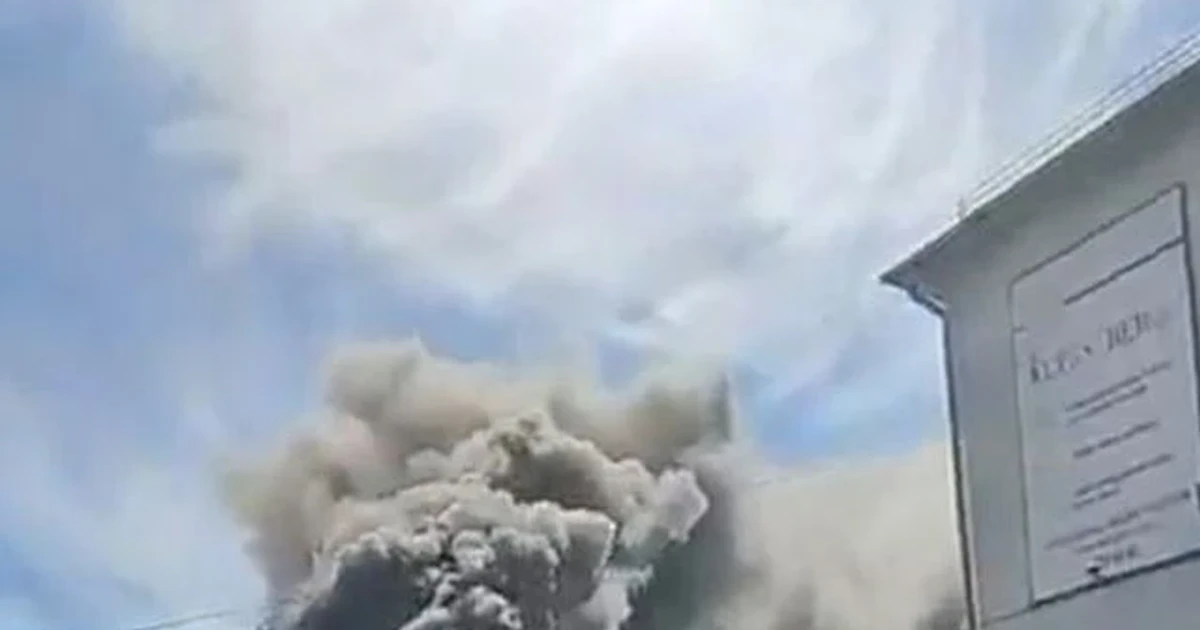
Russian air strikes wounded six people in Ukraine overnight, while fuel shortages kept spreading inside Russia from Crimea into central and eastern regions and farther east into Siberia. The widening disruption is turning refinery damage into a strategic problem for Moscow, with battlefield pressure now feeding shortages at home.
The wounded were reported in Zaporizhzhia and Sumy, and one woman was injured in a drone attack on Kharkiv. Kyiv briefly issued an air raid alert early Tuesday before withdrawing it, a reminder that the capital remains under threat even as Russia insists its strikes are routine. The overnight attacks came after Ukraine’s military said it hit a plant producing electronics for missiles in Russia’s Voronezh region on Monday, a facility Ukraine’s General Staff called a “critical component” in Russia’s defence production.
Voronezh governor Alexander Gusev said the attack killed five people and wounded dozens. He said the industrial site on the left bank of the Voronezh River sustained the heaviest damage, and additional reporting said many of the injured were treated and released. The exchange underlined the war’s continuing tit-for-tat pattern, with both sides targeting military-industrial and energy infrastructure as the conflict enters its fifth year.
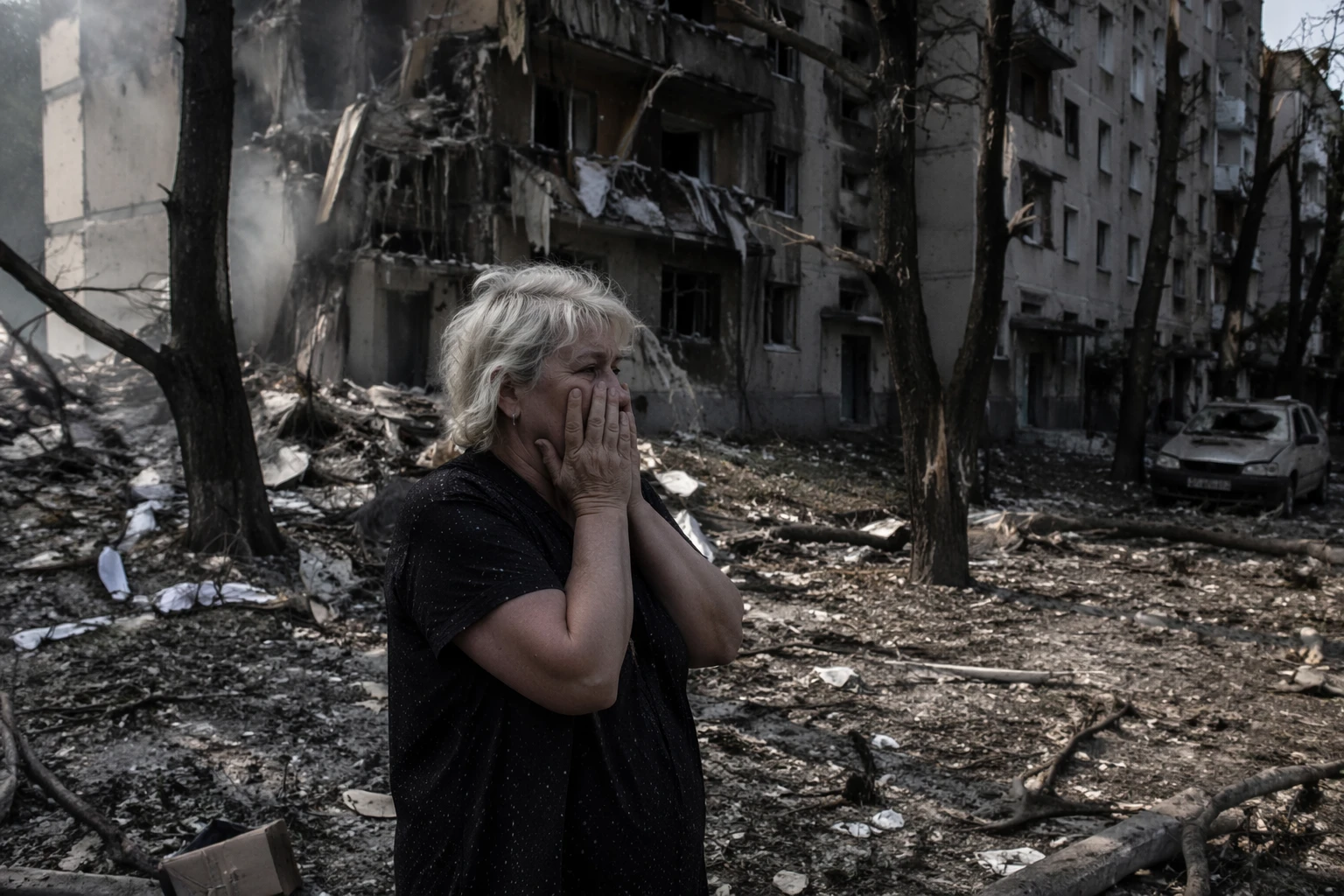
Inside Russia, the fuel crunch is becoming harder to contain. Fuel shortages have been reported in 13 Russian regions, according to additional reporting based on Reuters data, while other accounts say the disruptions have reached Moscow and St. Petersburg. Reuters said the crisis had spread beyond Crimea into central and eastern Russia and farther east into Novosibirsk and Omsk, where authorities imposed new limits, including a ban on selling fuel in jerry cans and a 40-liter cap per vehicle.
In occupied Crimea, officials suspended civilian gasoline sales and tightened rationing as attacks on fuel supplies intensified across the Black Sea peninsula. Russia is also considering importing fuel by sea, an unusual step for one of the world’s largest exporters of refined products. The Russian Energy Ministry has acknowledged that Ukrainian drone attacks are behind some of the gasoline shortages, and some analysts estimate refining capacity has fallen by roughly 20% to 30% after repeated strikes on oil infrastructure.
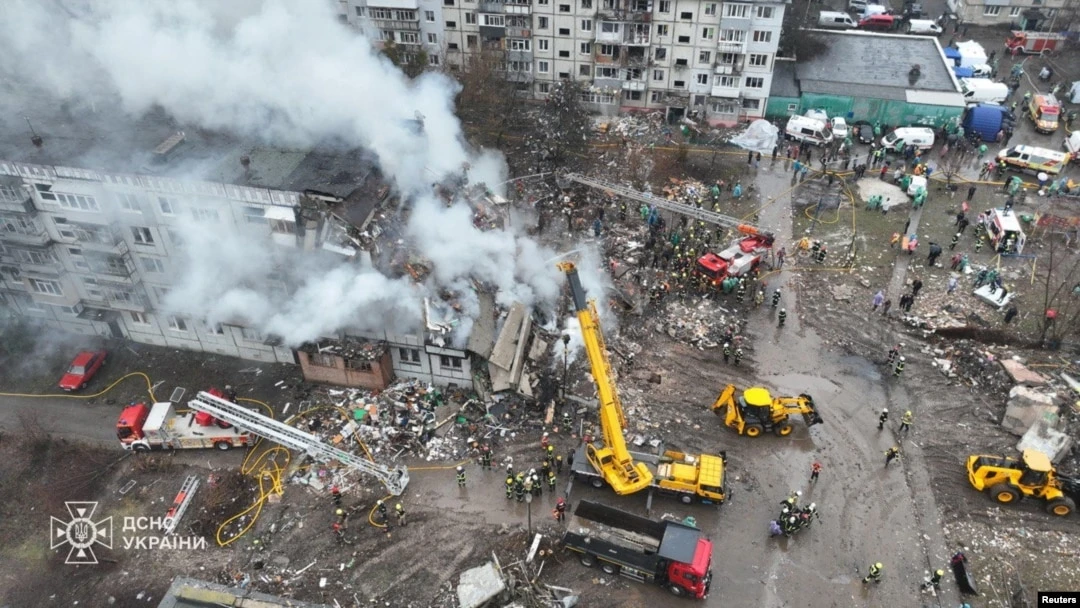
The pressure now runs in both directions: Russian missiles and drones continue to hit Ukrainian cities, while refinery damage is beginning to squeeze daily life deep inside Russia. That combination could shape not just the battlefield, but the political cost of the war at home.
Sources
- [1]usnews.com
- [2]msn.com
- [3]news.sky.com
- [4]english.nv.ua
- [5]themoscowtimes.com