World
Russian Tu-22M3 bomber crashes in Siberia during training flight
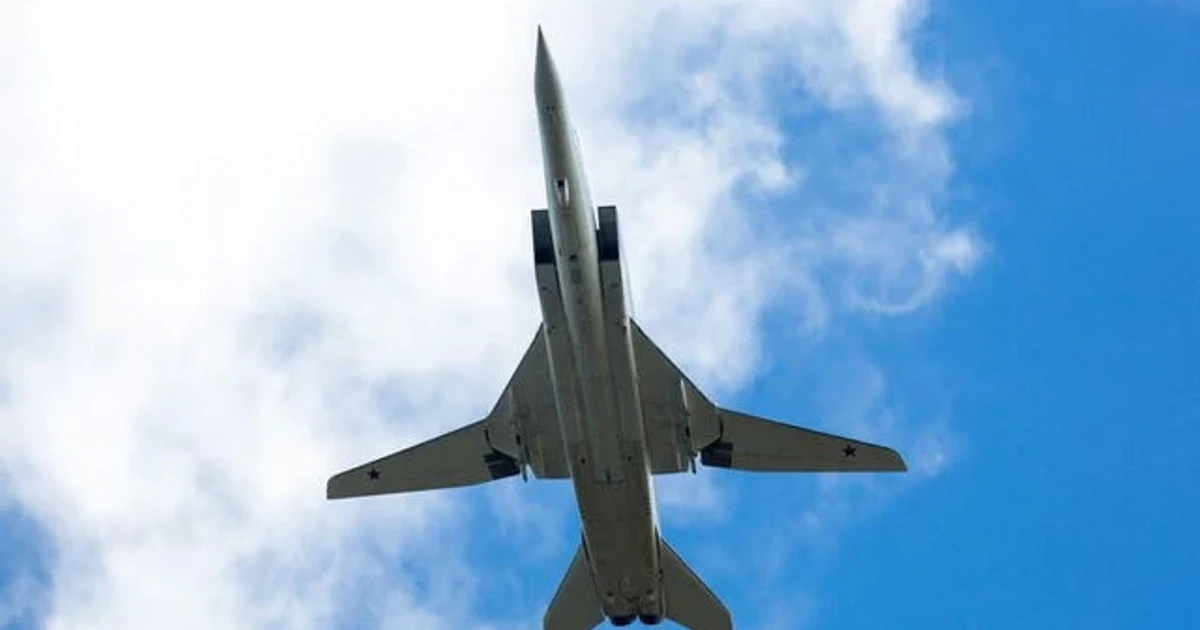
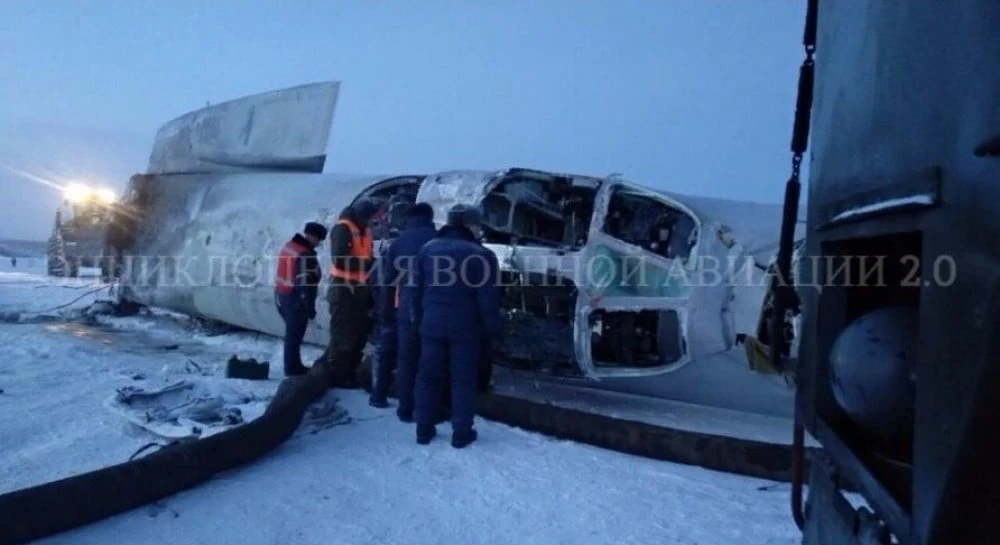
A Russian Tu-22M3 strategic bomber crashed in Siberia’s Irkutsk region during a planned training flight, but all four crew members ejected safely. The incident immediately drew attention not only because no one was killed on the scene, but because the aircraft is one of Russia’s long-range strike assets, a fleet that has been under sustained strain through years of war, sanctions and heavy operational use.
Russian authorities said the accident happened during landing. TASS reported that four crew members were receiving hospital treatment, while Irkutsk regional governor Igor Kobzev said the surviving pilots were under medical supervision. The Defense Ministry said there was no threat to the crew’s lives or health and no damage on the ground. Eyewitness accounts said parachutes were seen before the crash, and video circulating online showed the aircraft dropping into a thickly wooded area near the Angara River and sending up a large column of smoke.
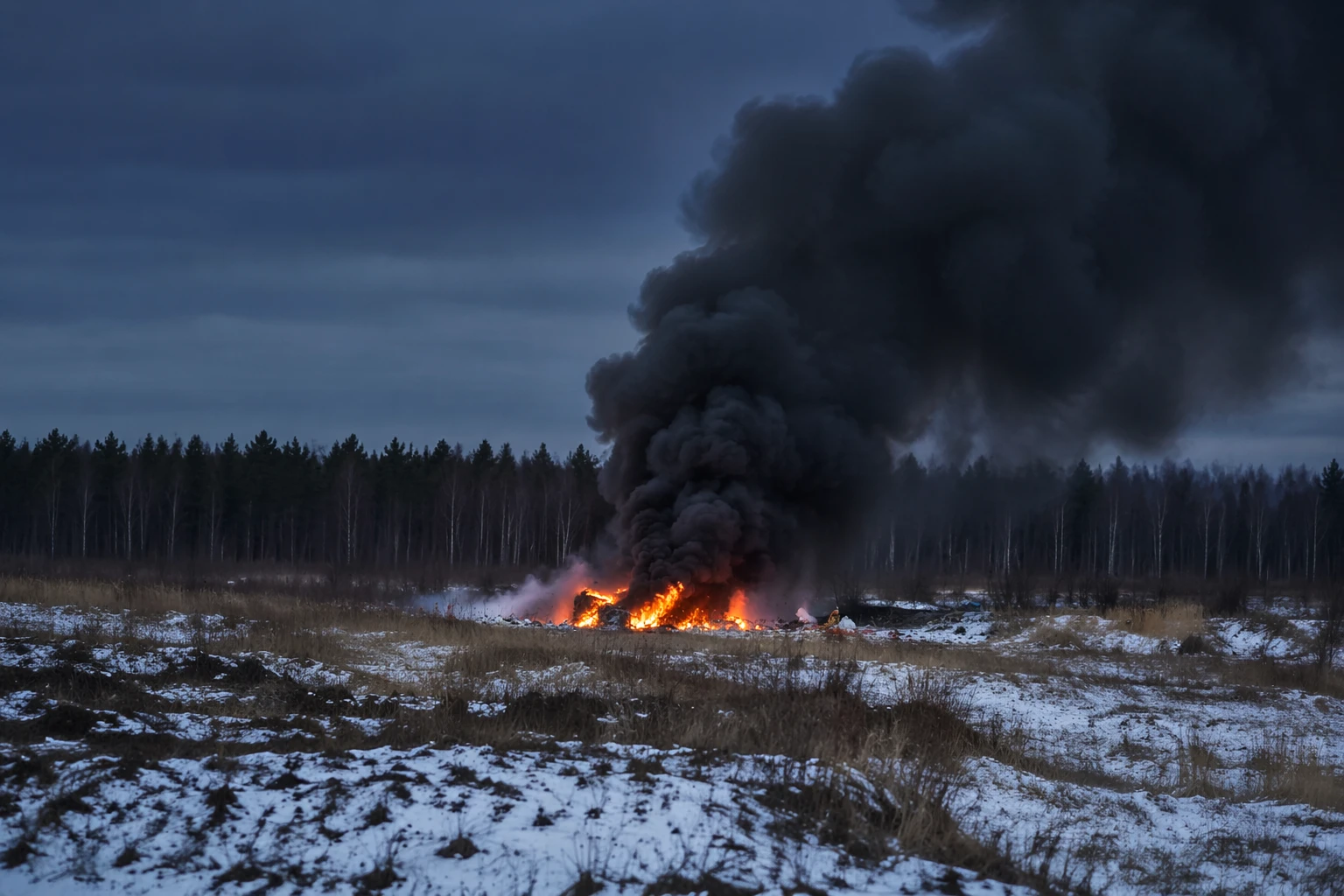
The bomber came down near Svirsk, and TASS later said the crew diverted the aircraft away from homes in the Usolsky District minutes before the crash. That detail points to a narrow margin between a military accident and a possible civilian disaster. The immediate human toll was avoided, but the episode still raised questions about pilot safety, maintenance standards and how much wear Russia’s aging aircraft can absorb under current operating pressure.
The Tu-22M3, known by NATO as Backfire, first flew on June 20, 1977 and entered mass production in 1978. It has a four-person crew and remains a key part of Russia’s long-range bomber force, built to carry gravity bombs and cruise missiles. The aircraft has also been used in combat missions in Syria and Ukraine, and it can carry hypersonic Kinzhal missiles, making each loss or serious malfunction strategically significant.
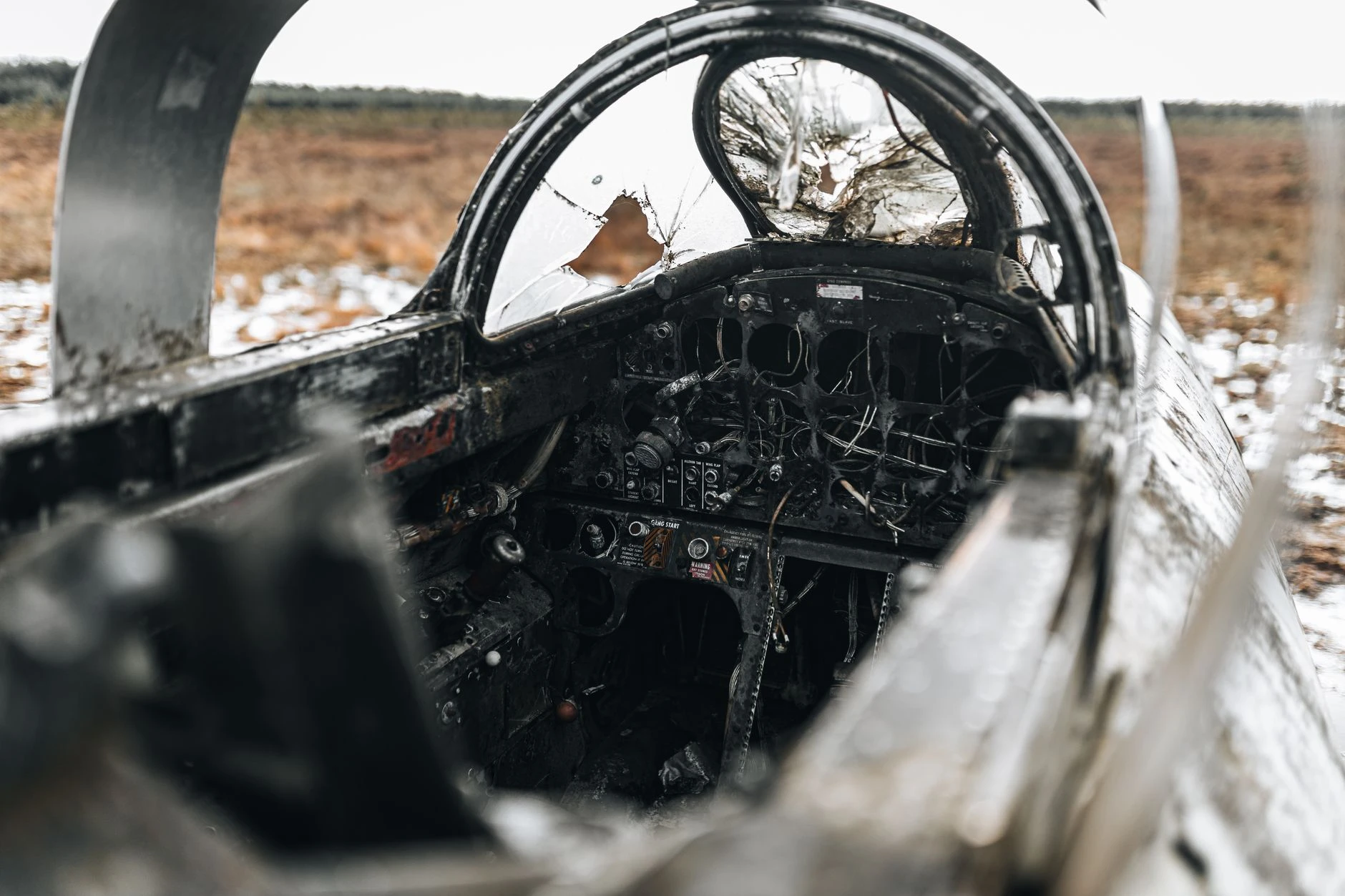
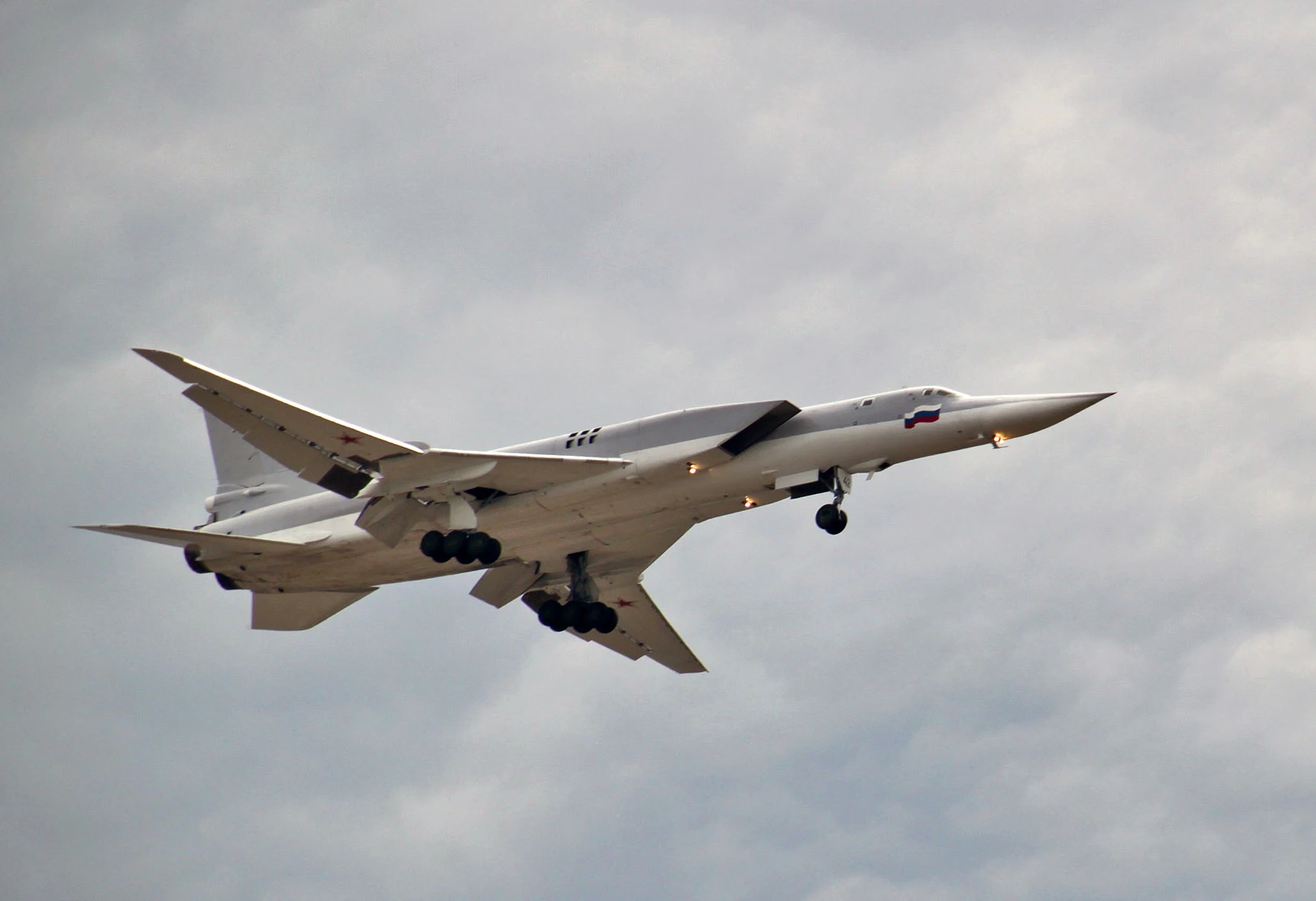
No official cause had been confirmed in the initial reporting, although preliminary accounts pointed to a possible technical malfunction or engine failure. The Irkutsk region has seen two earlier Tu-22M3 crashes, on August 15, 2024, when one crew member died and three others were hospitalized, and on April 2, 2025, when all four crew members ejected but one later died. Taken together, the incidents suggest more than an isolated lapse, underscoring the strain on a bomber fleet Russia continues to depend on for deterrence and deep-strike missions.
Sources
- [1]usnews.com
- [2]tass.com
- [3]britannica.com
- [4]missilethreat.csis.org
- [5]airandspaceforces.com