World
Russians juggle VPNs and extra phones as Kremlin tightens internet control
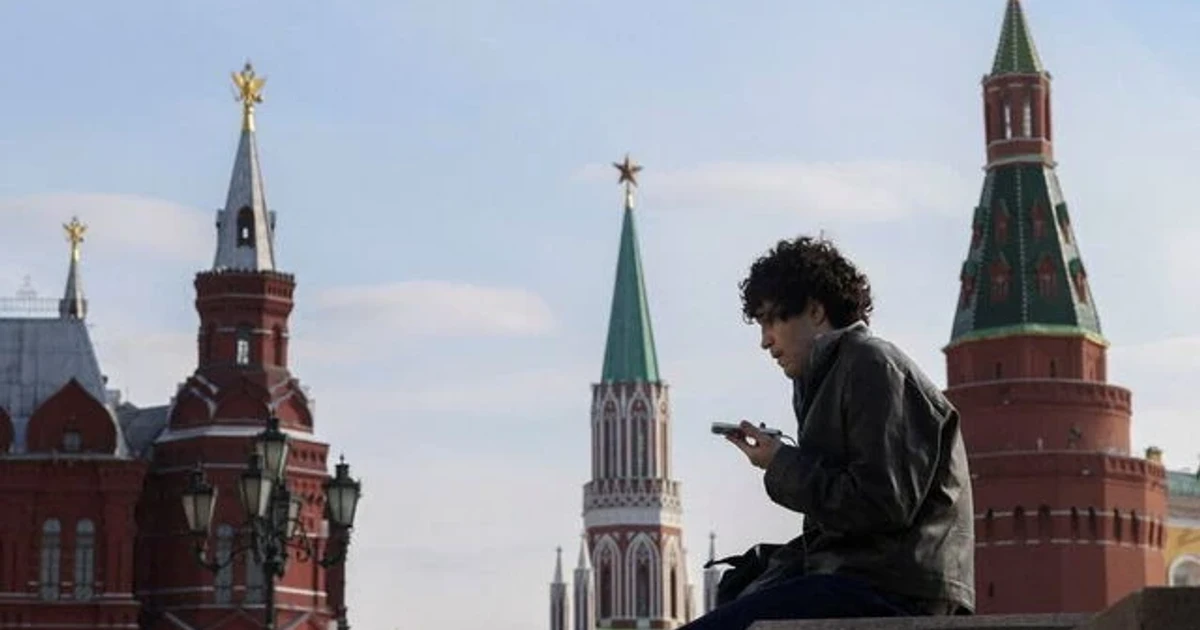
A Moscow interior designer now moves through the day by switching identities. In a cafe, she logs on to a VPN to chat with friends abroad on WhatsApp, turns the VPN off to buy a rail ticket on a government-linked site that blocks users hiding their location, then reaches for a second phone to check messages on the state-controlled MAX app.
That awkward routine has become a small portrait of Russia’s expanding digital crackdown. As the Kremlin tightened control over online space this year, Russians were pushed to work around restrictions on foreign apps and websites, especially WhatsApp and Telegram. The pressure has reached far beyond messaging, disrupting banking, transport and e-commerce in some cases and turning ordinary errands into a sequence of toggles, logins and detours.
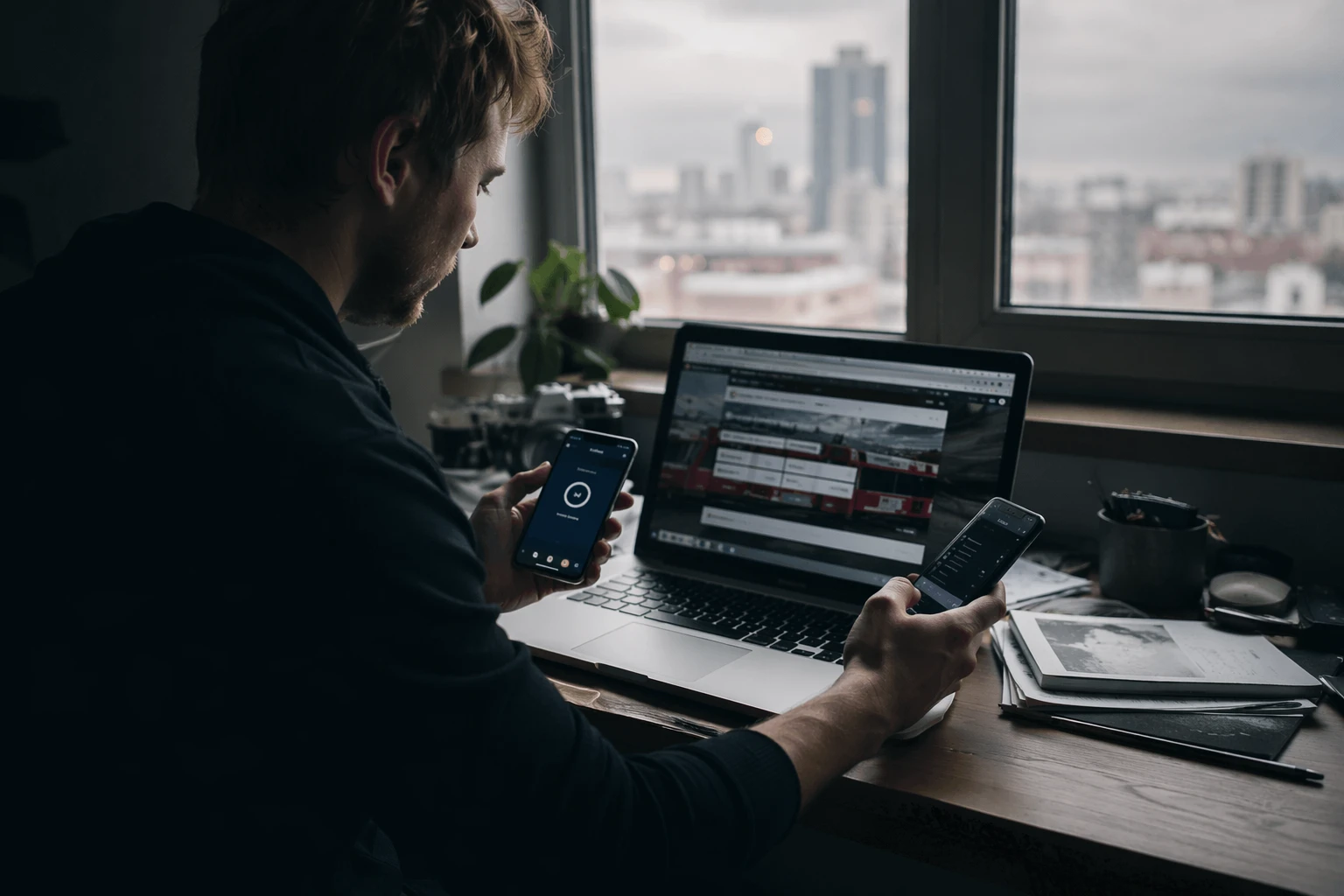
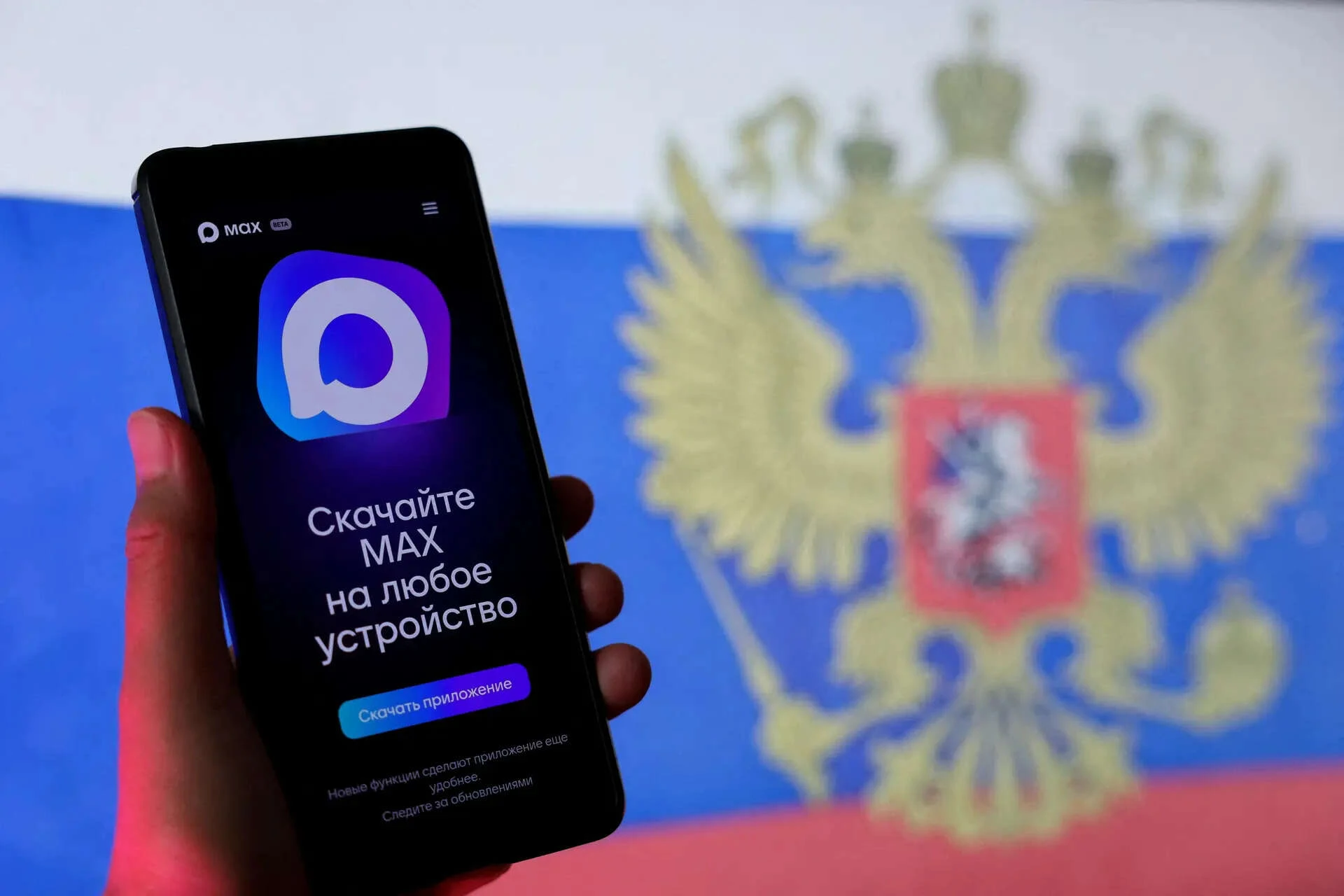
The state has framed the push as part of digital sovereignty, backing domestic alternatives and pressing users toward platforms it can more easily oversee. But many Russians have met the effort with caution. Critics and some Western technology companies have warned that MAX could be used to monitor users, a charge its owner, VK, denies. For people who rely on the internet for work, travel and everyday communication, the result has been less a clean break from foreign platforms than a forced split-screen life.
The strain has also fed a broader political mood. Dissatisfaction over the curbs has mixed with inflation, tax hikes and war fatigue, adding to a climate of frustration before a September parliamentary election. State polling data put Vladimir Putin’s approval rating in the mid-60s, below where it stood earlier in the year. The decline does not reflect one grievance alone, but the online restrictions have become another visible sign of the state’s reach into daily life.

The workaround economy is growing with it. VPN downloads surged, with consultancy data showing 9.2 million downloads of the five most popular VPN services in March alone. That demand underscores a central limit of Kremlin control: even as authorities try to narrow the country’s online channels, users continue to improvise, paying the price in inconvenience, uncertainty and constant adaptation.
Sources
- [1]usnews.com