World
Russia's barrage exposes Ukraine's Patriot missile shortage
Russia’s barrage on Kyiv killed at least 12 people and pierced Ukraine’s air shield, with officials saying none of the ballistic missiles fired in the July 5-6 attack were intercepted. The strike underscored a widening gap between Ukraine’s battlefield ingenuity and the number of U.S.-made interceptors it has left to fire.
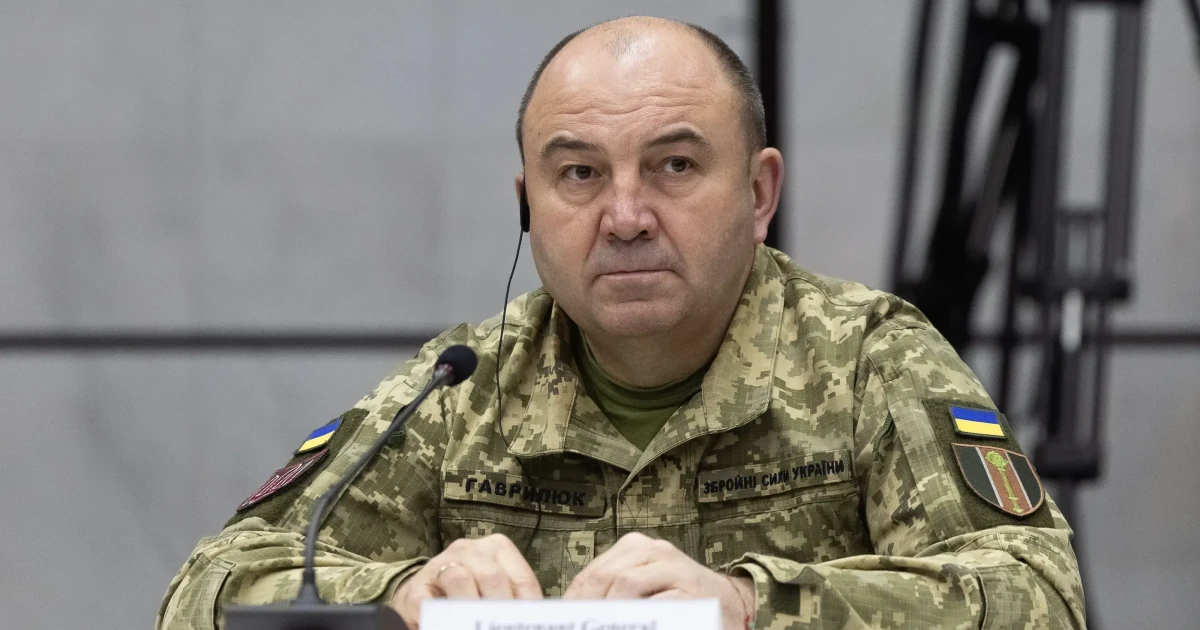
Ukraine’s Patriot batteries remain the country’s only effective defense against Russian ballistic missiles, but they are being used sparingly because supplies are tight. Deputy Defense Minister Ivan Havryliuk said Ukraine now deploys Patriots exclusively against Russian ballistic missiles and has asked partners for at least 10 more medium-range Patriot systems. Ukrainian officials also warned of a serious shortage of interceptor missiles after the overnight assault, which combined ballistic missiles with drone saturation to overwhelm defenses.
The pressure on Kyiv’s air-defense network has been building since Ukraine first publicly showed what the Patriot system could do. On May 4, 2023, Ukraine said it had used Patriot to shoot down a Russian Kinzhal hypersonic missile over Kyiv, a hit that was widely described as the first known downing of one of Moscow’s most advanced weapons by the American system. That moment reshaped expectations about Patriot’s role in modern air defense, proving that careful tactics and mobility could turn a high-end interceptor into a battlefield surprise weapon.
But the limits of adaptation are now clearer. Russian missile attacks have become harder to blunt as Moscow improves its weapons and pairs them with waves of drones designed to drain air-defense magazines. At the same time, Western stockpiles have been under strain. In June 2024, then-President Joe Biden ordered a temporary halt to deliveries of Patriot and NASAMS interceptors for most countries so Ukraine and Taiwan could be supplied. By 2025, defense reporting was already describing Patriot interceptors as scarce worldwide, with demand running ahead of production.

Ukraine is now trying to secure missiles by more than one channel. Recent reporting says Kyiv is pursuing direct contracts to buy Patriot PAC-3 interceptors and is pressing nearly 40 partner countries to transfer missiles from their own inventories while replacement deliveries are pending. That shift reflects a harder reality for Ukraine’s air war: the decisive constraint is no longer just tactical know-how, but industrial capacity, allied stockpiles and the rising cost of stopping ballistic missiles.
The latest attack comes as NATO leaders were set to discuss additional air-defense support in Turkey this week. For Kyiv, the immediate problem is simpler and more urgent: the Patriots are there, but the interceptors are running short.
Sources
- [1]nytimes.com
- [2]usnews.com
- [3]yahoo.com
- [4]english.nv.ua
- [5]politico.eu
- [6]twz.com
- [7]axios.com