World
Russia’s fuel shortage hits farmers, drivers and public mood
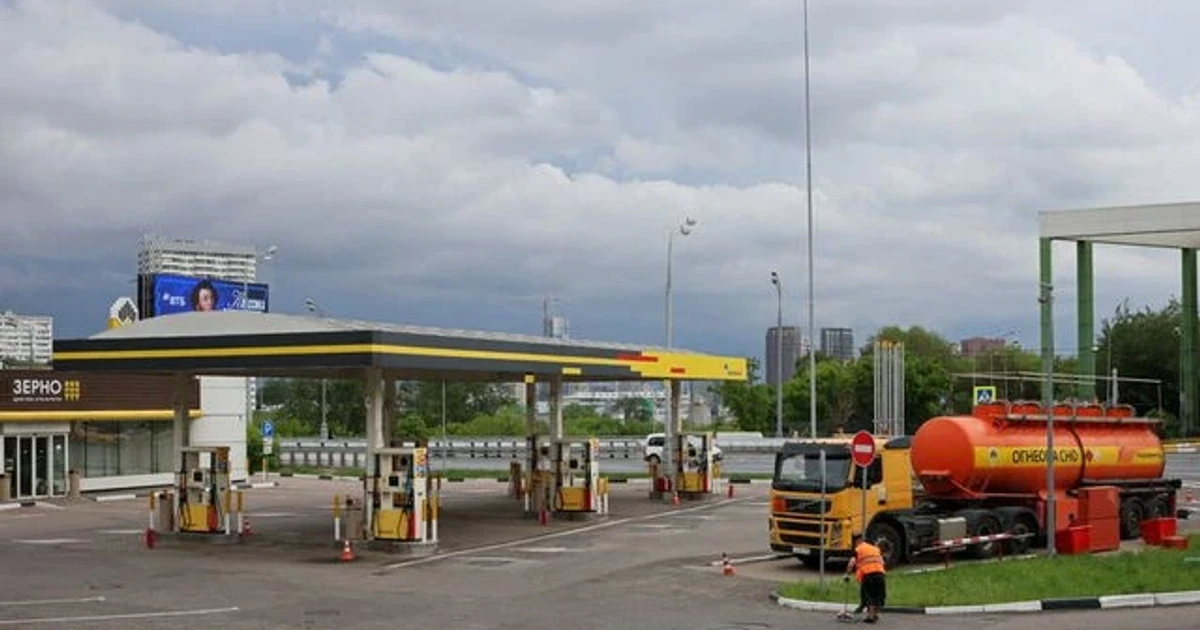
Russian President Vladimir Putin acknowledged a “certain shortage” of fuel as gasoline prices jumped in Sevastopol and farmers in Russia’s grain belt warned they might not be able to bring in their crops. What was once treated as a refinery problem tied to the war has become a daily disruption for motorists, regional authorities and rural producers.
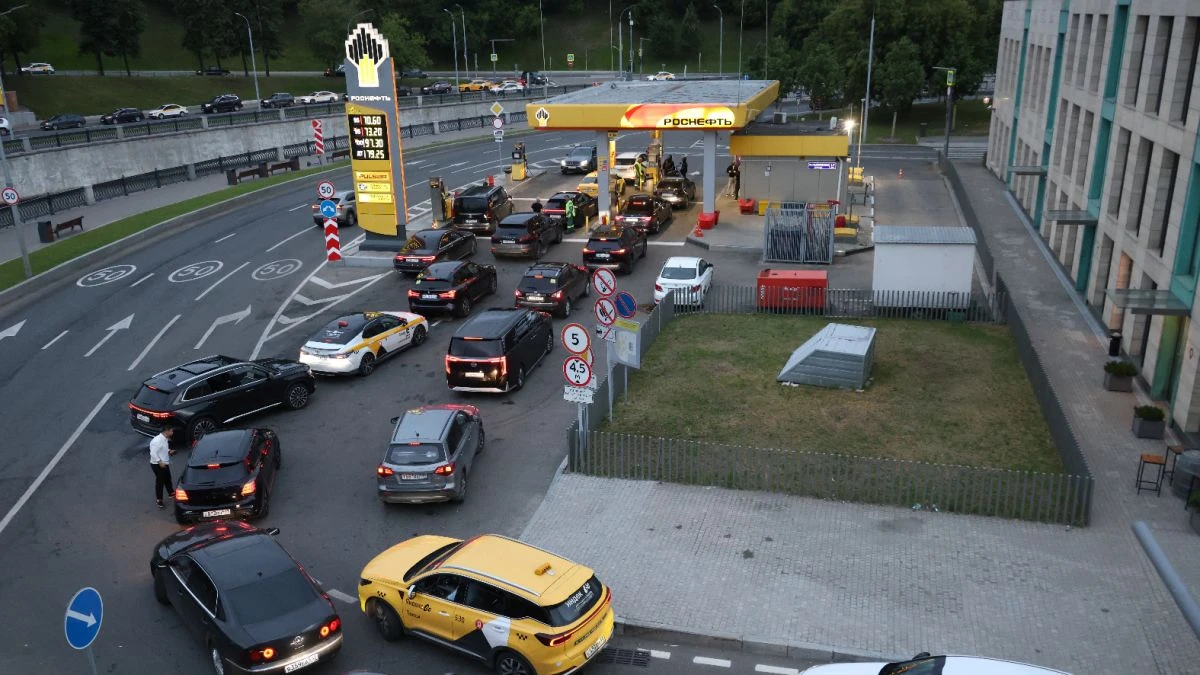
The strain has spread well beyond the areas closest to the fighting. In Russia’s grain belt, growers have said they are worried about harvest-time fuel supplies, while drivers across broader regions have been using crowd-sourced maps and tips to find stations that still have gasoline and shorter lines. Social media footage has shown tempers fraying at pumps, and one widely shared video showed a man pouring petrol into a lawnmower and joking about how expensive fuel had become.
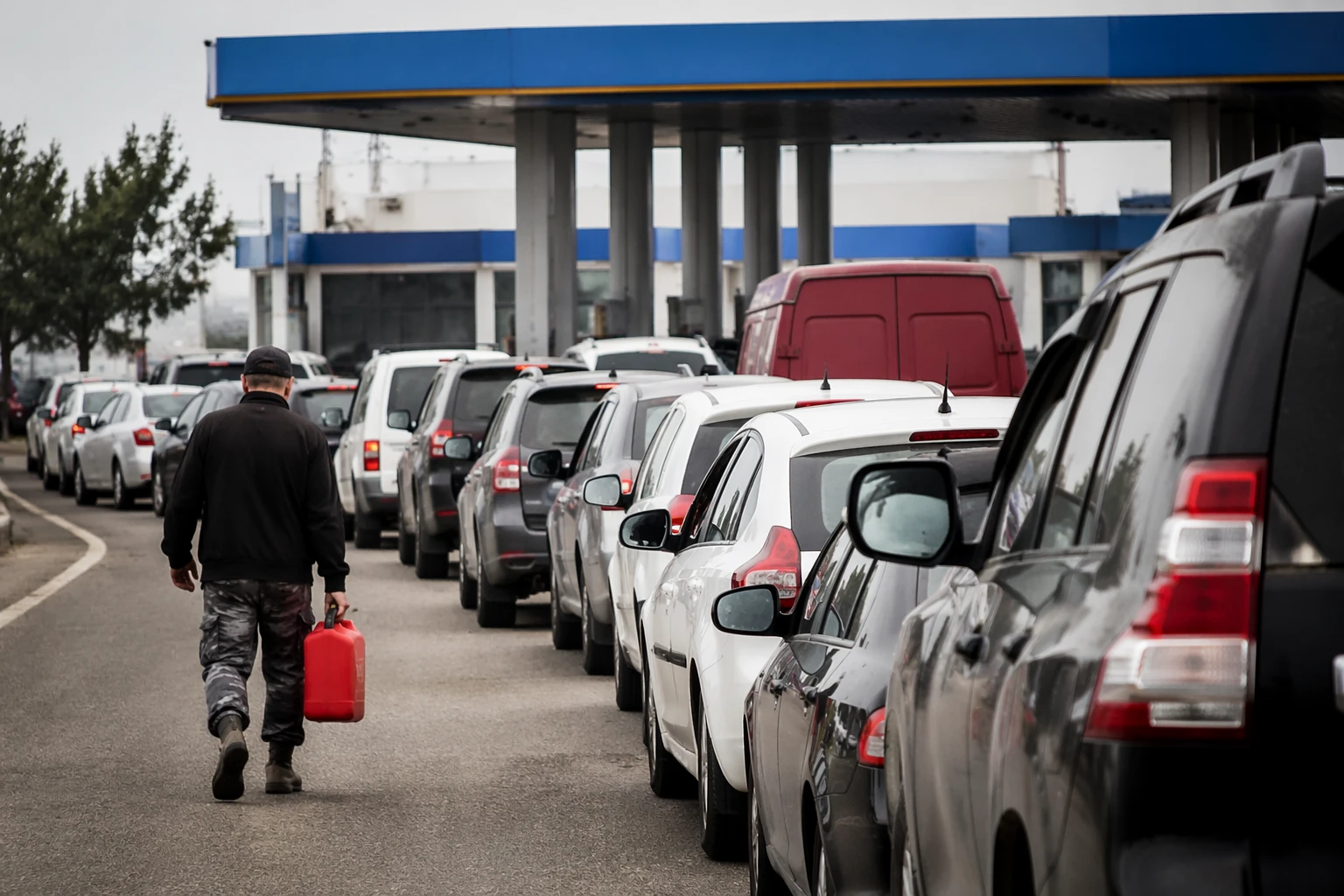
The pressure on supply has been visible in the numbers. In late June, shutdowns at several large refineries in central Russia cut gasoline output by about 25% year-on-year, while Russia was in talks with Kazakhstan to import about 50,000 metric tons of AI-92 gasoline to ease the shortage caused by refinery outages and unscheduled repairs. Separate reporting has shown rationing in some regions, with sales often limited to about 20 to 30 liters per vehicle.
Prices have moved sharply in some places. In Sevastopol, the largest city in Russian-controlled Crimea, gasoline prices jumped 30% in a single week, underscoring how quickly the disruption has reached ordinary consumers. Online searches in Russia for how to siphon fuel also rose, a sign of how scarcity is shaping behavior as much as it is shaping prices.
Putin told officials the damage from Ukrainian strikes was not “critical,” while also calling for stronger air defenses and better protection for oil facilities. But the fuel problem has already crossed the line from battlefield damage into a wider economic and political issue, one that touches harvests, transport and the public mood in regions far from the front.
Sources
- [1]usnews.com
- [2]uk.finance.yahoo.com
- [3]straitstimes.com
- [4]pbs.org
- [5]aljazeera.com