Technology
Russia’s war dead are being revived in AI farewell videos
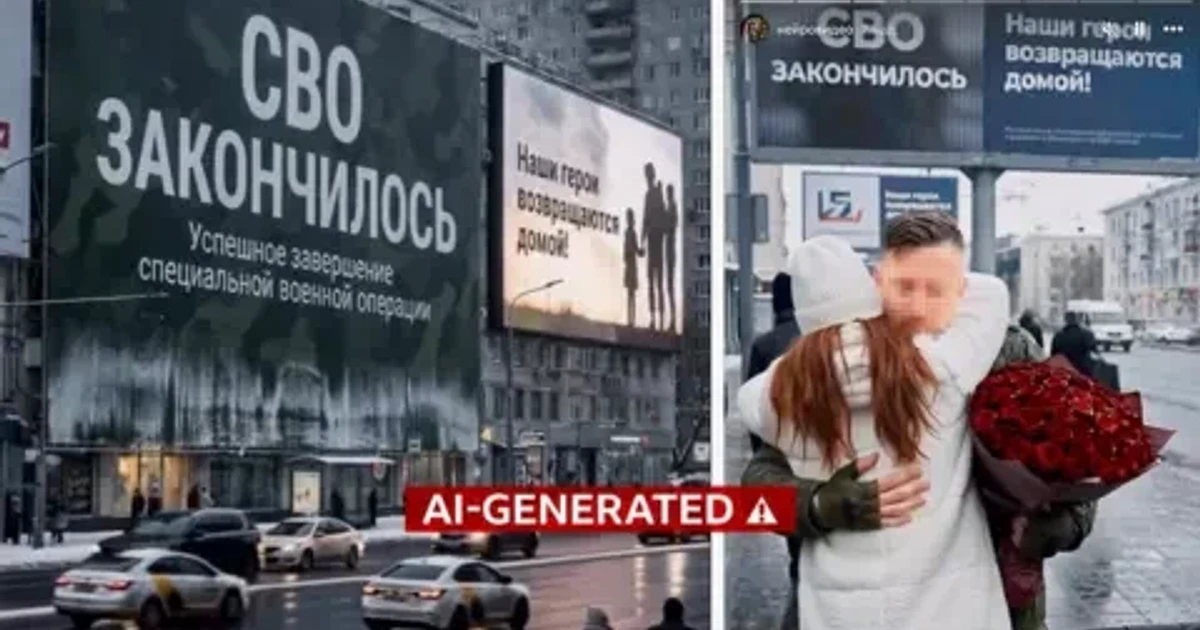
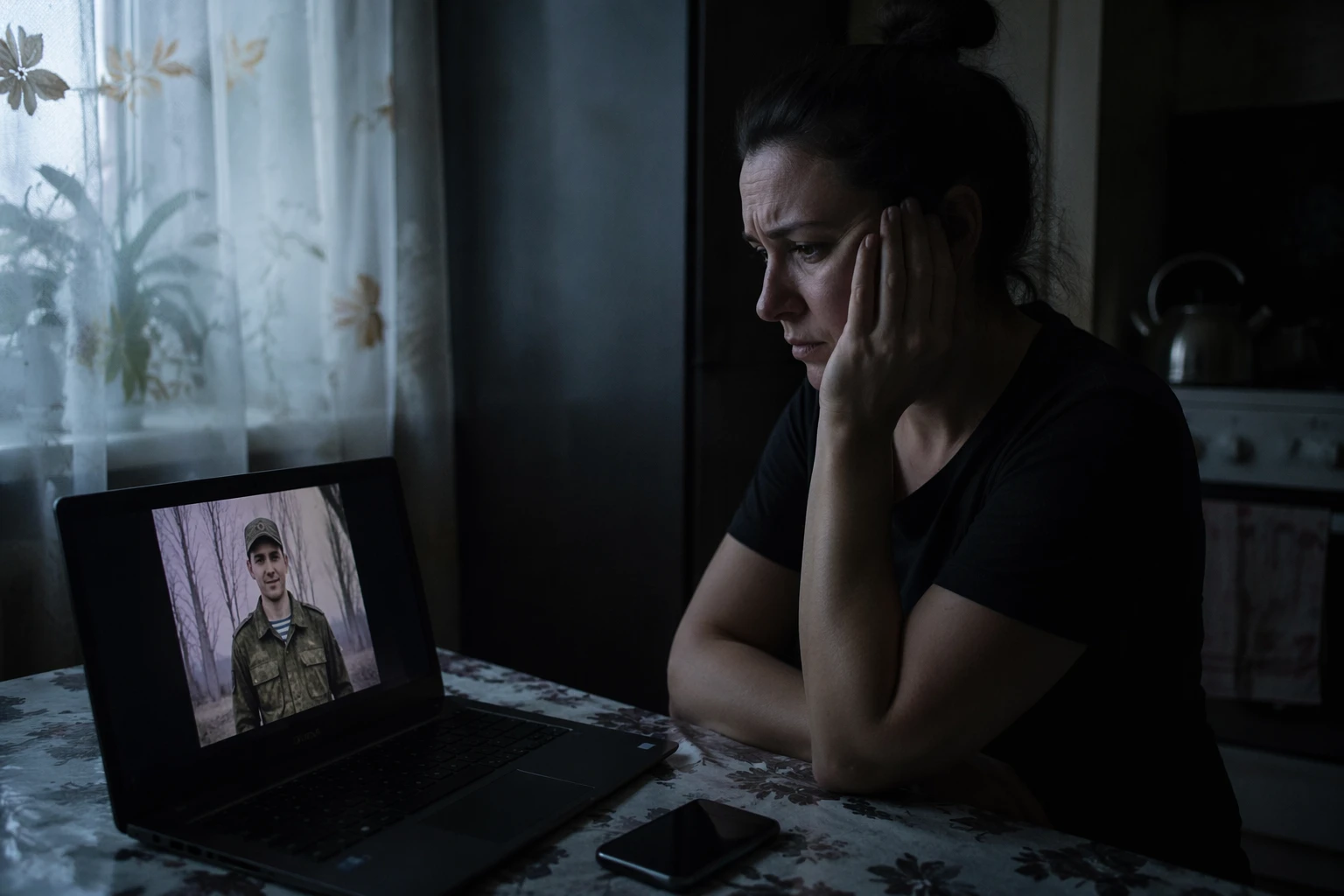
Russian widows and relatives are turning to AI to “bring their photos to life,” generating farewell videos that show dead soldiers smiling, speaking scripted lines and, in some cases, rising into the sky in angelic imagery. The clips have spread across Russian social media since mid-2025, blending private grief with a state-backed war narrative that often leaves Ukraine and the destruction of the invasion out of frame.
The videos are built from old pictures, wedding footage, selfies and sometimes voice recordings. A project called Video Farewell, launched in 2023, charges between 1,300 and 10,000 rubles, or about $17 to $133, for AI-generated memorial clips. The market has grown quickly enough to support a small cottage industry of so-called neuro-creators, some of whom say they entered the trade after personal loss. Aliyana said she began making farewell videos after her brother was killed in the war, while Ulyana Lebed said she processes 40 to 50 photos a day. One creator reportedly earns as much as 55,000 rubles, or about $730, daily.
The political charge is hard to miss. In one 15-second AI video posted by the blogger Katya Jin, also known as Ekaterina Kirpichnikova, a fictional Moscow street is lined with billboards reading “The Special Military Operation is over” and “Our heroes are coming home,” echoing the Kremlin’s language for the war. The couple in the clip appeared modeled on Katya Jin and her husband, who disappeared at the front and whose fate remains unknown. Before deleting her AI content from Instagram and TikTok, she had more than 10 million followers on TikTok and about 50,000 on Instagram, and had used her own story as part of the sales pitch.
For many families, the clips are presented as a way to mourn and, in some cases, are used at funerals. But the same videos have drawn a sharp online backlash. Some viewers said they were moved to tears; others called the practice unethical, deeply disturbing or a form of propaganda. Many Ukrainians who saw the clips were appalled. The effect is especially potent because the dead are usually portrayed as heroes defending their country and loved ones, while the war’s civilian toll and the invasion of Ukraine are pushed to the margins.

Researchers say the deeper consequences are still poorly understood. Katarzyna Nowaczyk-Basińska, an assistant research professor at the Leverhulme Centre for the Future of Intelligence at the University of Cambridge, said creating “deadbots” or deepfakes of fallen soldiers is ethically difficult to assess in any clear-cut way. Cambridge researchers have also called for safeguards and opt-out protocols to prevent unwanted “hauntings” by AI chatbots of dead loved ones. In Russia, where the war is still officially framed as a “special military operation,” the technology is doing more than simulating presence: it is editing memory, monetizing grief and helping fix the state’s version of the conflict inside the most intimate moments of mourning.
Sources
- [1]bbc.com
- [2]meduza.io
- [3]ca.news.yahoo.com
- [4]lcfi.ac.uk
- [5]jesus.cam.ac.uk