Health
Rutgers study links GLP-1 drugs to weaker violence-risk signals

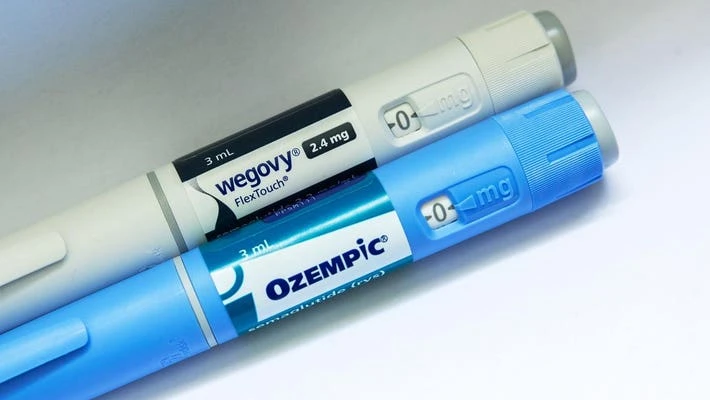
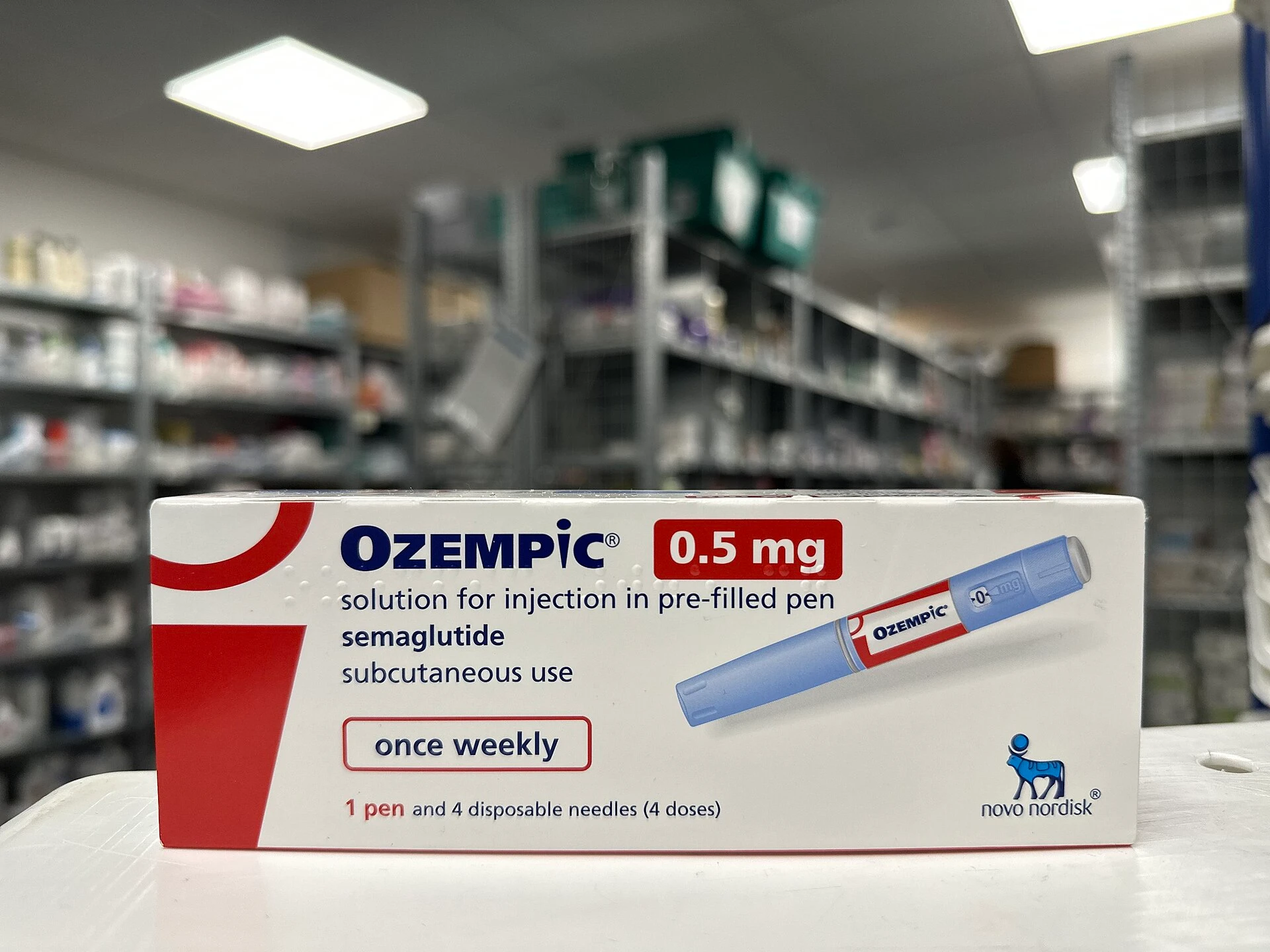
GLP-1 drugs such as Ozempic and Wegovy may be doing more than suppressing appetite. Rutgers researchers found that among current users, the usual link between impulsivity and violent behavior was about 62% weaker than it was among former users, an intriguing signal that the medicines may affect brain pathways tied to self-control and reward.
The study, published June 17 in Criminology, did not argue that GLP-1 drugs make people peaceful or that they can prevent crime on their own. Instead, it showed an association in a 2025 survey of 7,521 U.S. adults, with the main analyses focused on 821 people who had ever used a GLP-1 medication. Violent behavior was measured with a validated self-reported offending scale that covered fighting, assault and robbery.

Rutgers researchers also found a weaker connection between alcohol use and violent behavior among current GLP-1 users, a relationship they estimated at about 52% weaker than among former users. That result was less consistent across sensitivity analyses, which makes it harder to treat as a firm finding. Even so, the alcohol result matters because it points to a broader behavioral effect than the one most people associate with these drugs, which are usually discussed in the narrow context of diabetes, weight loss and appetite control.
The public-health stakes are not trivial. The Centers for Disease Control and Prevention says excessive alcohol use causes about 178,000 deaths a year in the United States and is linked to violence, including homicide, suicide, sexual violence and intimate partner violence. A separate modeling study in The Lancet Regional Health Europe, drawing on nearly 830,000 people across 61 countries, found that interpersonal violence connected to other people’s drinking remains widespread.
Lead author Daniel C. Semenza, director of research at the New Jersey Gun Violence Research Center at Rutgers University, said the strongest result was the weakening of the impulsivity-violence link. Co-author Christopher Thomas, an assistant professor at Rutgers University-Camden, said the pattern resembled cognitive behavioral therapy in the sense that it seemed to weaken the path from impulse to action rather than erase impulsivity itself.
That distinction is important. The study was observational and cross-sectional, so it cannot prove GLP-1 medications caused the lower violence-related associations, and it cannot rule out differences between current and former users that have nothing to do with the drugs. Still, the work suggests GLP-1s may have behavioral effects beyond metabolism, making them a candidate for deeper study in public health, behavioral science and medicine, not a ready-made answer to violence in criminal justice or psychiatry.