Business
Ryanair probe points to external damage in smashed window incident

A European regulator appointed a technical adviser on July 13 to examine the Ryanair window incident after chief executive Michael O'Leary said early findings pointed to foreign object damage. The flight from Thessaloniki, Greece, to Germany on July 10 ended with an emergency landing back at Thessaloniki after a window dislodged on the Boeing 737 and a 61-year-old passenger was partly sucked out.
Foreign object damage, in aviation terms, means something outside the aircraft struck it. That can range from runway debris to a bird strike or other material thrown up during takeoff, and investigators treat it differently from a structural crack or a maintenance fault because the question shifts from what failed inside the aircraft to what hit it from outside.
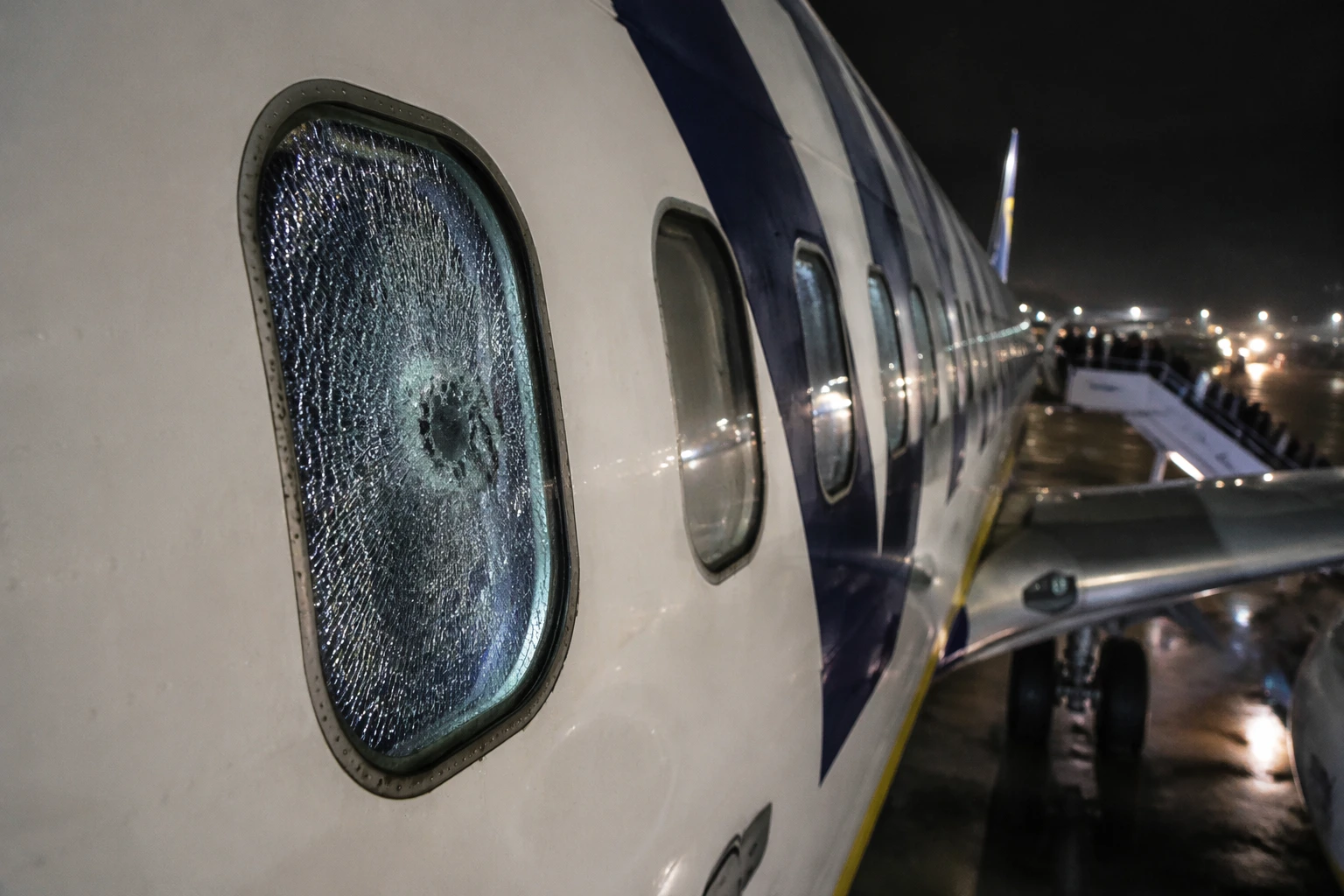
O'Leary said the initial investigation suggested "it looks like a foreign object damage to the engine on takeoff at Thessaloniki but ... we can't say that definitively". He also said the engine on the 18-year-old Boeing 737 had been fully serviced and overhauled in the past two years. That distinction matters because an external strike would point investigators toward engine containment, runway conditions or debris on departure rather than a fleetwide manufacturing defect.
The passenger taken to hospital was a 61-year-old Serbian national being treated for friction burns, a Greek hospital official, Michalis Giannakos, said. "His wife held onto his legs for around five minutes to stop him being sucked out," Giannakos said. The force of the event, and the image of a cabin window dislodging shortly after takeoff, made the case stand out even though no broader pattern has been established.
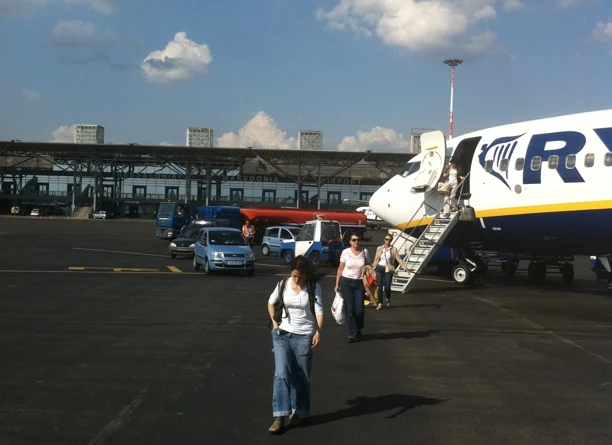
The airline first described the event as a minor technical issue, but the probe has moved quickly toward a more serious external-damage scenario. For investigators, the immediate task is to determine whether debris from takeoff struck the engine or fuselage and whether the window failure was the result of that impact. For passengers, the case has become a vivid reminder that aviation safety reviews often begin with one damaged part and end with a much wider check on how a plane, an engine and an airport environment interact.
Sources
- [1]reuters.com
- [2]bbc.com
- [3]abcnews.com