Business
Ryanair profit falls 34% as lower fares and fuel costs bite
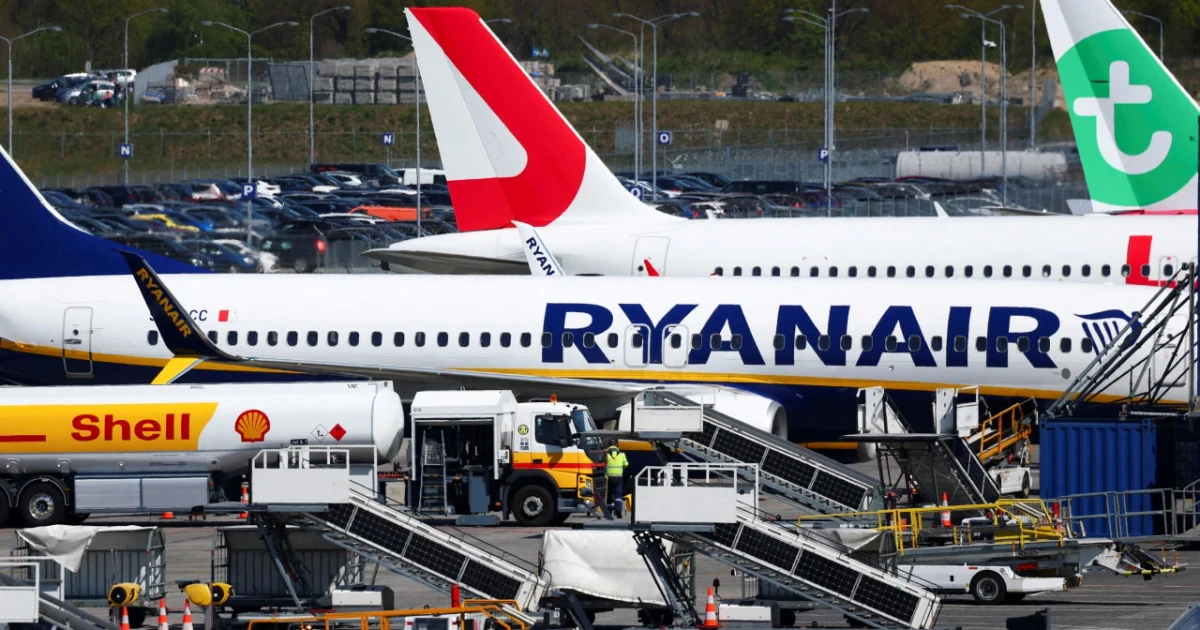
Ryanair said its first-quarter profit after tax fell 34% to €538 million from €820 million a year earlier, as lower fares and higher fuel costs hit the April-to-June period. The Dublin-based airline kept growing traffic, but the numbers show how quickly a low-cost model can lose altitude when ticket pricing softens and fuel turns dearer.
Passenger volume rose 6% to 61.3 million, yet revenue per passenger fell 5% because the average fare dropped 6% and ancillary revenue was flat. Ryanair also said unit costs rose 5% in the quarter. The contrast is stark: fuller planes did not offset weaker pricing, and the company’s effort to hold down costs was overtaken by a more difficult fuel and fare backdrop.
Fuel played a central role in the squeeze. Ryanair said unhedged jet-fuel prices doubled to about $150 per barrel during the quarter, while 20% of its jet fuel was unhedged. It added that FY27 jet fuel was 80% hedged at around $67 per barrel, giving the airline some protection later in the year, but not enough to fully shield the latest quarter. Reuters said the profit slump was driven by lower fares and higher fuel costs, with fare pressure linked in part to renewed consumer nervousness over the Middle East conflict.
The result matters because Ryanair is not a marginal operator. Its annual report says it served flights to and from 235 airports in 37 countries and carried 208 million guests in FY26. That scale makes its pricing moves influential across Europe, where competitors often shadow Ryanair on short-haul routes and where travelers can switch quickly when fares move.
For rivals, the warning is clear: a fare war can lift demand, but it is hard to sustain if fuel costs climb at the same time. Ryanair’s earlier guidance also shows how fast expectations can change. Reuters reported in January 2026 that the airline had lifted its forecast for average fare growth after a strong start to bookings and said annual after-tax profit would likely rise by a third. The shift from that outlook to a 34% quarterly drop underscores how exposed European carriers remain to small changes in pricing power, oil prices and consumer sentiment.