Entertainment
Salman Rushdie at Sundance: Resilience, Recovery, and the Power of Culture in the Face of Authoritarianism
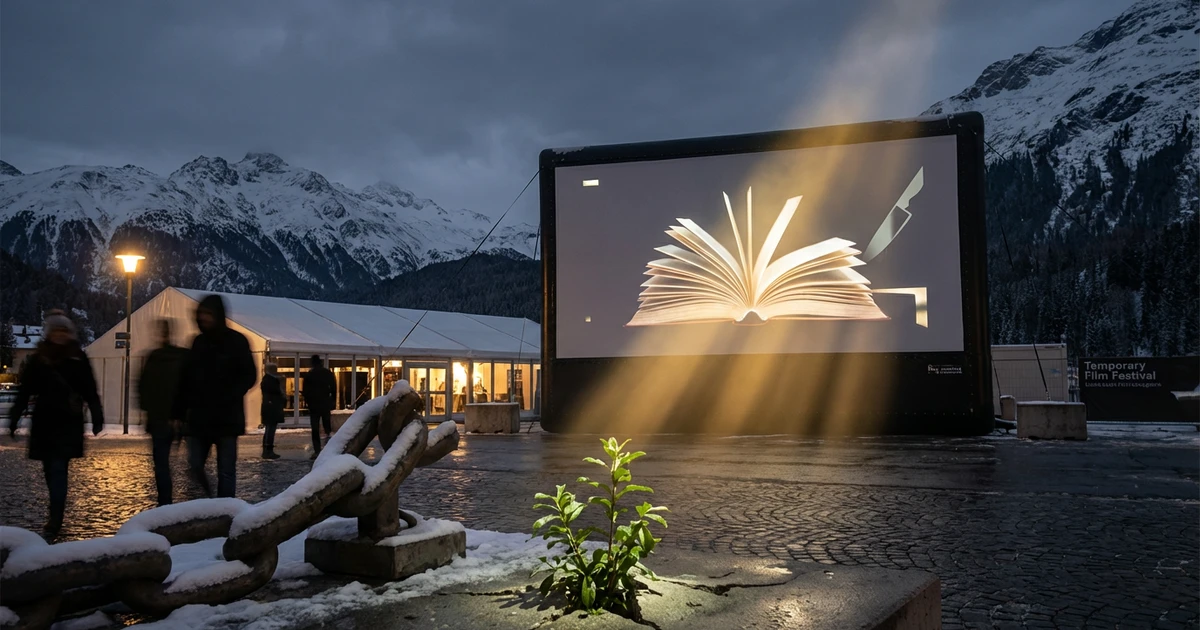
Salman Rushdie made a powerful appearance at the Sundance Film Festival, reflecting on his remarkable recovery from a near-fatal attack and underscoring the enduring battle between culture and authoritarianism. The event coincided with the debut of Knife: The Attempted Murder of Salman Rushdie, a new documentary by acclaimed director Alex Gibney that examines the harrowing attempt on Rushdie’s life and its broader implications for freedom of expression.
Rushdie’s Recovery and Resilience
Rushdie’s presence at Sundance marked a significant milestone in his journey of resilience after surviving the 2022 stabbing at a literary event. His participation in the festival and the discussions surrounding the documentary highlighted his ongoing physical and emotional recovery. Rushdie’s story has become emblematic of the struggles faced by artists and writers in the face of violent opposition, reminding audiences of both the personal and political costs of defending free speech.
Documentary ‘Knife’ Shines a Light on Artistic Freedom
Knife: The Attempted Murder of Salman Rushdie explores not only the attack itself but also the broader context of threats against cultural figures. Under the direction of Alex Gibney, the film delves into the chilling effects of censorship, violence, and fear that persist in many societies. The documentary’s premiere at Sundance provided a timely platform for discussing the escalating pressures faced by creators worldwide.
- The film investigates the motivations behind the attack on Rushdie and situates it within a global trend of rising authoritarianism.
- It draws parallels between Rushdie’s experience and threats faced by other writers, journalists, and artists globally.
- The documentary includes interviews and analysis that highlight the urgent need to protect artistic freedom in volatile times.
Culture Versus Authoritarianism
During his Sundance appearance, Rushdie emphasized the ongoing tension between creative expression and authoritarian regimes. He noted that, for those who seek to impose control, culture represents a profound threat to their authority. By stifling art, literature, and open dialogue, authoritarians aim to suppress dissenting voices and shape narratives to their advantage.
Rushdie’s remarks positioned culture as a powerful tool for resistance, capable of challenging oppressive ideologies and inspiring change even in the darkest of circumstances. His experience serves as a stark reminder of the risks borne by those who dare to speak truth to power, and of the necessity for solidarity among creators and supporters of free expression.
A Cautionary Tale and a Call to Action
As Rushdie continues to recover from his injuries, his story resonates beyond the literary world. The attack against him is not just an isolated act of violence; it is a symptom of a broader, global threat to freedom of thought and speech. The premiere of Knife at Sundance and Rushdie’s reflections invite viewers to consider the vital importance of defending cultural institutions and the individuals who shape them.
Rushdie’s resilience and the documentary’s critical lens combine to deliver a message of hope and vigilance: while authoritarian forces may seek to silence, the power of culture endures. The conversation at Sundance signals both a tribute to Rushdie’s courage and an urgent reminder to protect the spaces where creativity and dialogue can flourish.
Sources
- [1]The Guardian