Politics
Sam Neill and Lindsey Graham die, triggering shock and Senate scramble
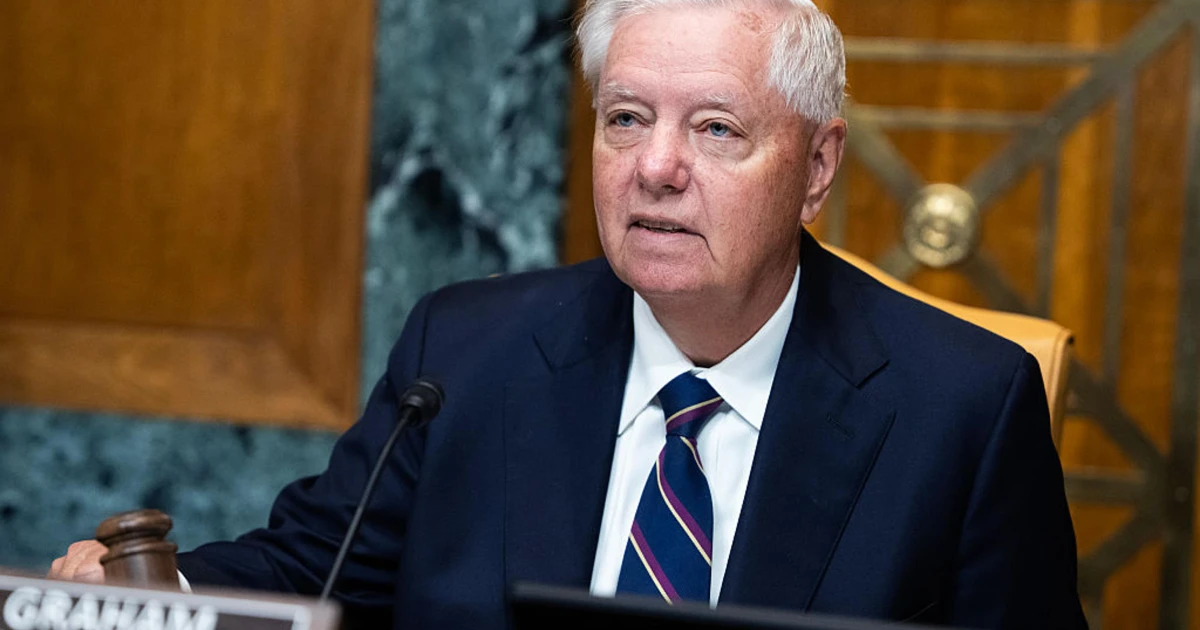
Lindsey Graham died Saturday at 71 after a brief and sudden illness, leaving South Carolina Republicans with an open Senate seat and an immediate ballot replacement problem as he had been running for reelection in 2026. His office said the South Carolina Republican was stricken by a sudden medical emergency; reports pointed to a preliminary cause of an aortic rupture or aortic dissection.
Graham first won election to the U.S. Senate in 2002 and began representing South Carolina in 2003 after serving in the House, where he entered in 1995. He later chaired the Senate Budget Committee and became one of the chamber’s most visible voices on foreign policy, especially in arguments over Venezuela and the administration’s posture toward Nicolás Maduro. The open seat is safe for Republicans, but Graham’s death forces party officials to replace his name on the November ballot.

The political shock landed alongside another death that crossed from film into public memory. Sam Neill died Monday at 78, according to reporting citing his family. Born in Northern Ireland and raised in New Zealand, Neill built a long career that moved from art films to large-scale studio work, most famously as Dr. Alan Grant in the Jurassic Park franchise and as Holly Hunter’s husband in The Piano.
Neill’s death drew attention because of the reach of those roles and the longevity of his career, which also included decades of work beyond the two films that made him globally familiar. Graham’s death, by contrast, immediately reshaped the 2026 Senate map and set off a scramble over succession and ballot logistics in South Carolina.

The two deaths arrived in a political atmosphere already marked by unusually aggressive rhetoric over Venezuela. In January 2026, Donald Trump said the United States was in charge of the “direction” of Venezuela, and Marco Rubio echoed that language after Nicolás Maduro was deposed in a U.S.-backed operation. Congressional concern over strikes and escalating rhetoric had already intensified before Graham’s death, given his stature as a Senate hawk on military pressure and intervention.
Sources
- [1]nytimes.com
- [2]dailypress.com
- [3]aol.com
- [4]cnbc.com
- [5]pbs.org
- [6]time.com
- [7]abcnews.com
- [8]thehill.com