Technology
SambaNova raises $1 billion at $11 billion valuation after Intel talks

SambaNova Systems raised $1 billion at an $11 billion post-money valuation, a striking rebound for an AI chip maker that had been the subject of acquisition chatter valuing it at a fraction of that price. The Palo Alto, California, company said it completed the first close of its Series F round on July 8, with General Atlantic leading the financing and more investors expected to join in a second close in the coming weeks.
The financing lands about five months after SambaNova unveiled its SN50 chip and raised a $350 million Series E in February. It also comes after Bloomberg reported in December 2025 that Intel was in advanced talks to buy SambaNova for about $1.6 billion including debt, a deal that never materialized. Instead, Intel’s ties to SambaNova have deepened: Intel backed the company in its Series C, participated in the February round, and joined SambaNova in announcing a multi-year partnership to co-develop and market AI inference products based on Intel Xeon.
The new money is a reality check on what investors are paying for in the AI boom. SambaNova is not being valued on the kind of broad consumer reach that once defined internet-era blowups. It is being priced on the promise that AI inference, the stage where models are deployed and used, will become a large, durable market, and that companies and governments will keep paying for specialized infrastructure rather than relying only on general-purpose cloud services.
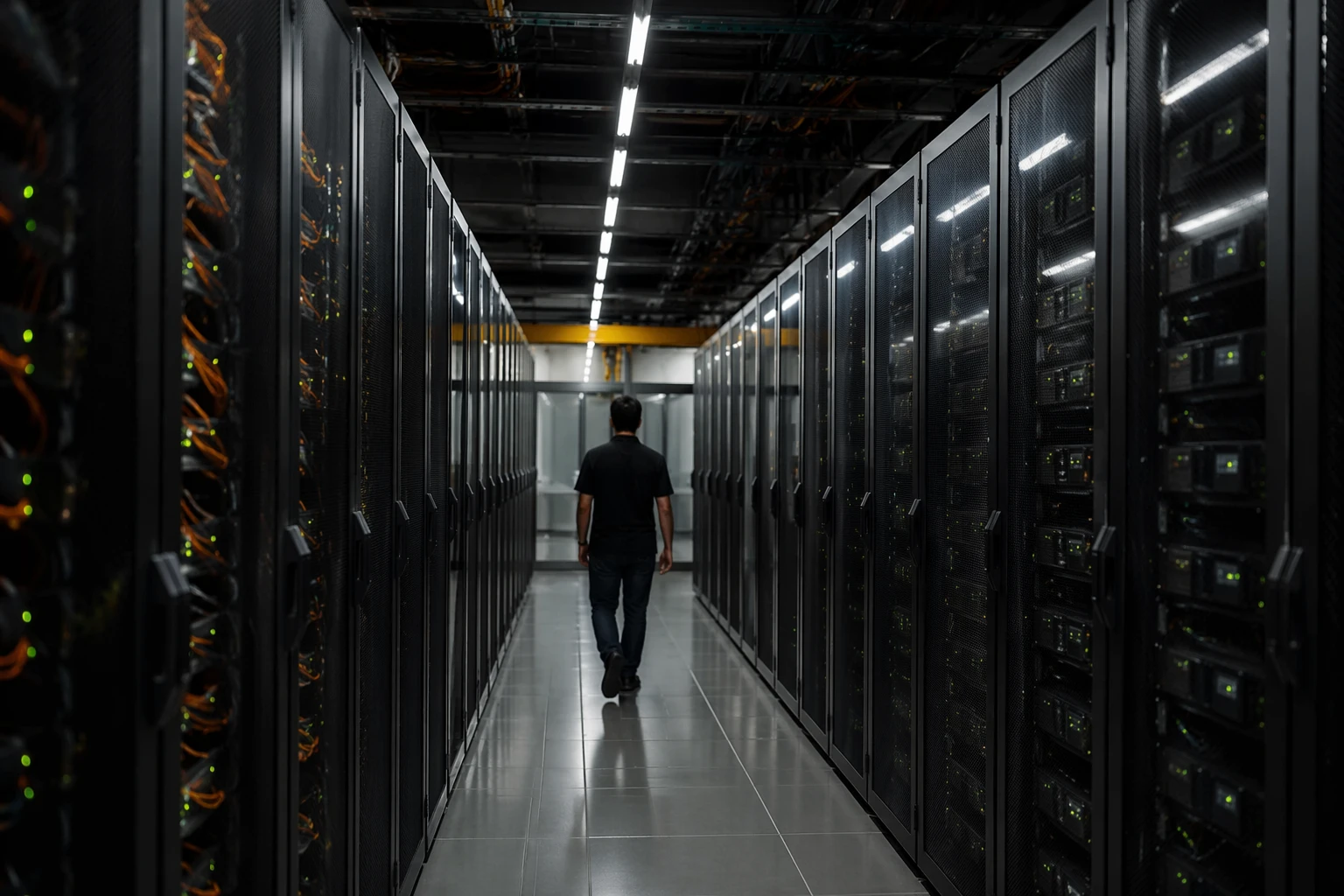
That bet got a concrete boost from JPMorganChase. SambaNova said the bank selected it as an inference-infrastructure partner, with SN40L and SN50 systems set to support secure, on-premises AI inference. For SambaNova, the deal is meant to show other banks that sensitive workloads can sit inside their own environments instead of being pushed fully into the cloud.
Rodrigo Liang, SambaNova’s chief executive, has described enterprise and government demand as still early, with most AI revenue concentrated among model makers and frontier labs. That leaves room for infrastructure vendors to grow if adoption spreads beyond the companies training the largest models and into regulated sectors that want tighter control over data and compute.
The valuation also reflects the market’s fear of missing the next breakout AI hardware winner. SambaNova, founded in 2017, has become one of the companies investors are willing to back aggressively even after failed takeover speculation. Liang has said the company keeps getting approached and that a public listing remains possible if momentum continues.