Business
Samsung Biologics eyes $1.8 billion all-cash bid for PolyPeptide
Samsung Biologics said it would launch a 1.46 billion Swiss franc, all-cash tender offer for PolyPeptide Group AG at CHF 44.31 a share, valuing the Swiss contract drugmaker at about $1.81 billion. The bid came with a 40% premium to PolyPeptide’s closing price of CHF 31.65 on April 10, the last trading day before market rumors emerged.
The target is not a broad drugmaker but a specialist in peptide-based active pharmaceutical ingredients, a corner of manufacturing that has grown more important as developers push into metabolic disease, oncology and other therapeutic areas that demand complex production. That makes the bid part of a wider scramble to control the factories and technical know-how behind modern medicines, not just the drugs themselves.
PolyPeptide’s board unanimously backed the offer, giving Samsung Biologics a clear governance path as it pursues one of the largest Korean biotech deals to date. The company had already flagged market rumors in an April 14 announcement, and the competitive backdrop was tight enough to include takeover interest from private equity firms such as EQT AB and KKR & Co. before Samsung stepped in.
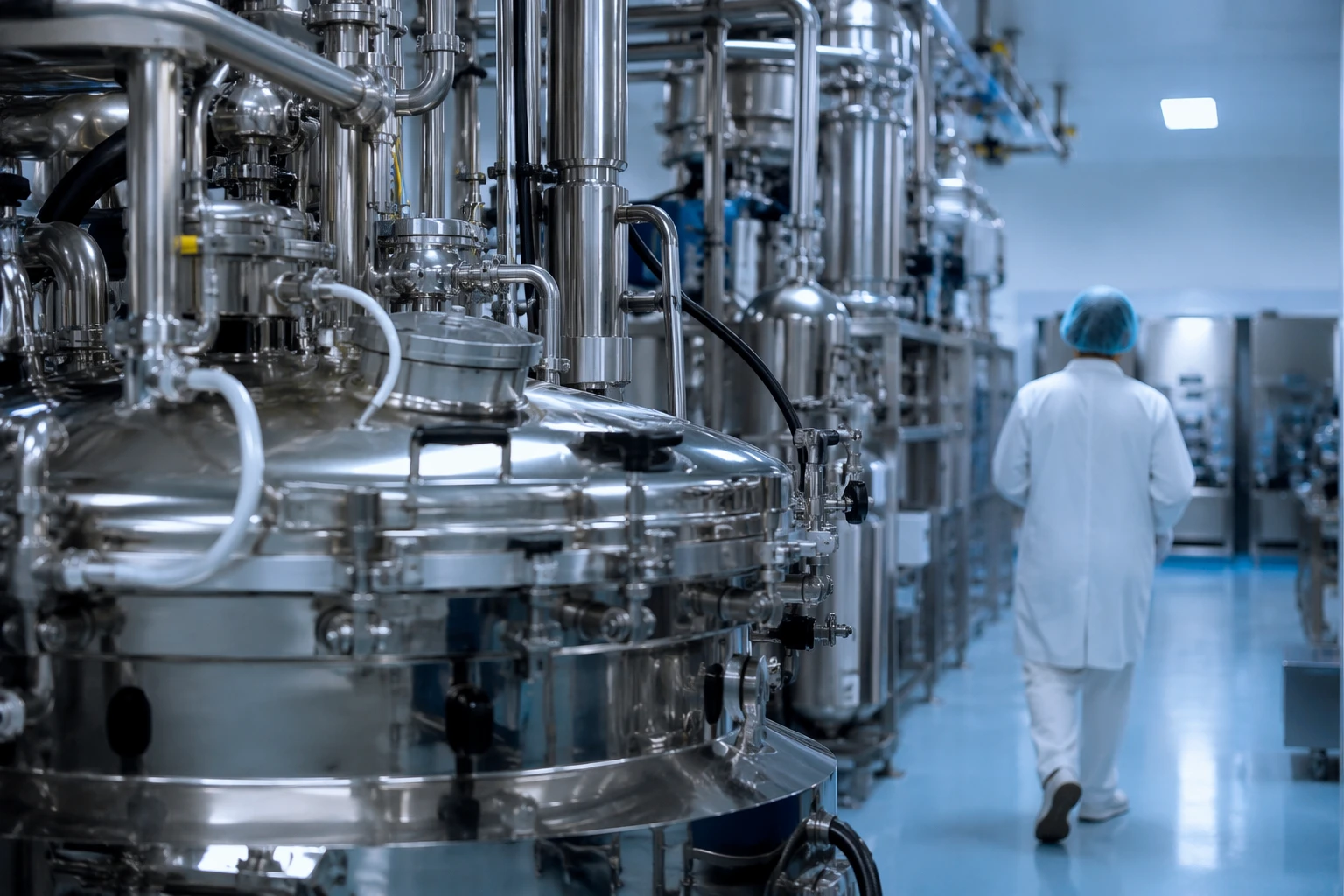
For Samsung Biologics, the acquisition would extend a business built around outsourced drug production. The company said the deal would accelerate its multi-modality strategy and expand its global network across the U.S., Europe and India, placing it deeper in the contract development and manufacturing market where scale, regulatory reach and specialized capacity increasingly determine who wins long-term supply agreements.
The strategic value is in peptides. Outside reporting tied the bid to a possible foothold in peptide CDMO work and, potentially, GLP-1 weight-loss treatments, a fast-growing segment that has intensified demand for specialized manufacturing slots. If Samsung gains control of PolyPeptide’s capacity, the South Korean company could strengthen its position against U.S. and European biotech firms that depend on limited third-party peptide production and are now competing for the same constrained industrial base.
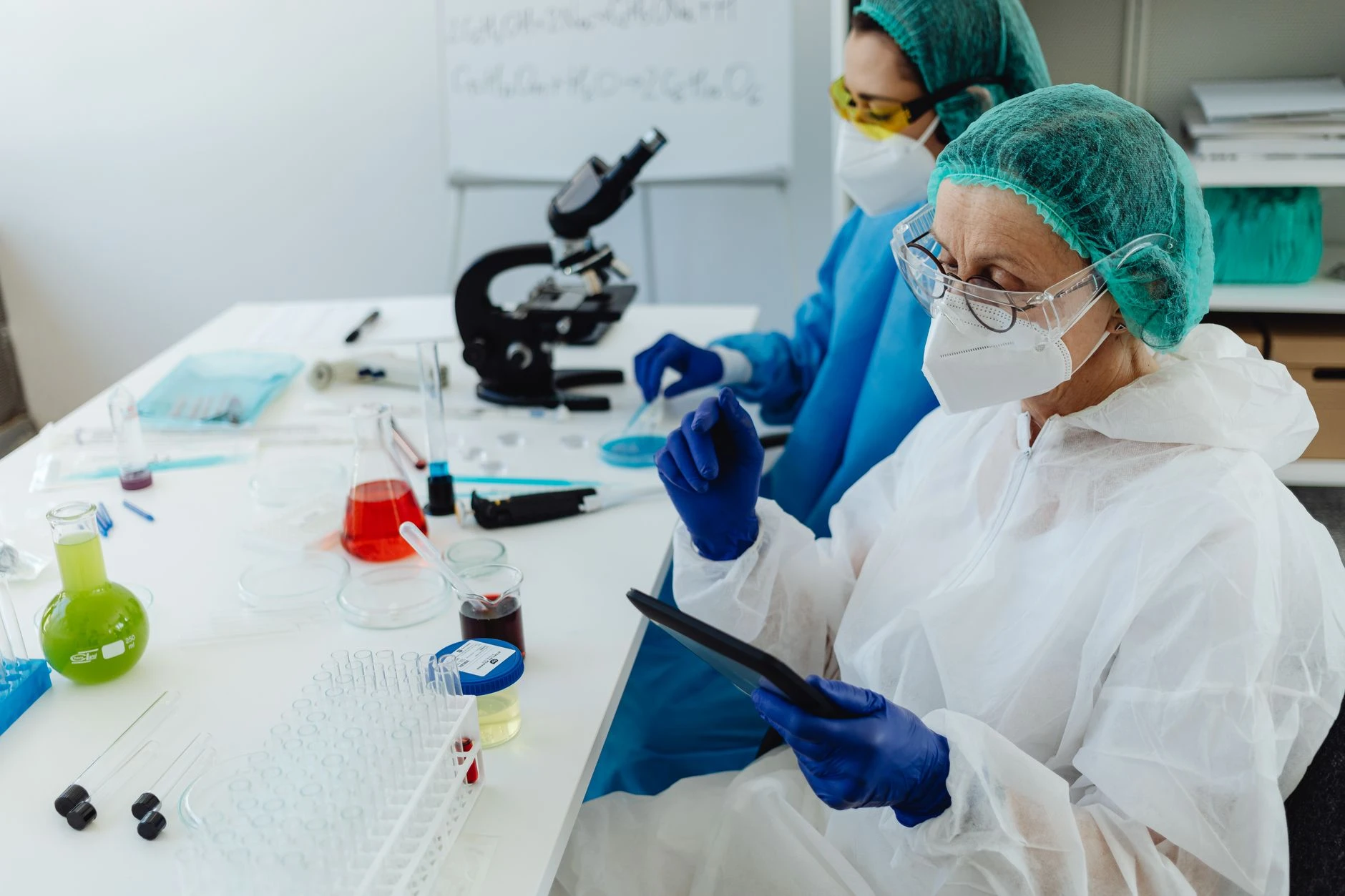
Samsung Biologics’ move also reflects a broader shift in global biopharma: large manufacturers are buying technical depth and geographic diversification instead of building every capability from scratch. With facilities and networks spanning major markets, a successful closing would give Samsung more leverage in a supply chain where resilience, not just price, has become a competitive asset.
Sources
- [1]reuters.com
- [2]markets.ft.com
- [3]m.uk.investing.com
- [4]eqs-news.com
- [5]cnbc.com
- [6]kedglobal.com
- [7]biz.chosun.com