Business
Samsung forecasts record profit as AI chip demand surges
Samsung Electronics on Tuesday forecast second-quarter operating profit of 89.4 trillion won, a 19-fold increase from a year earlier, as artificial intelligence spending tightened memory-chip supply and pushed prices higher. Revenue for the April-to-June period reached 171 trillion won, up from 133.9 trillion won in the previous quarter, and Samsung said the result would mark its third consecutive quarter of record operating profit.
Samsung, the world’s largest memory chipmaker by sales, has been benefiting as demand for memory chips used in AI systems has outrun supply, especially high-bandwidth memory that powers advanced computing workloads. Operating profit in the same quarter a year earlier was 4.7 trillion won.
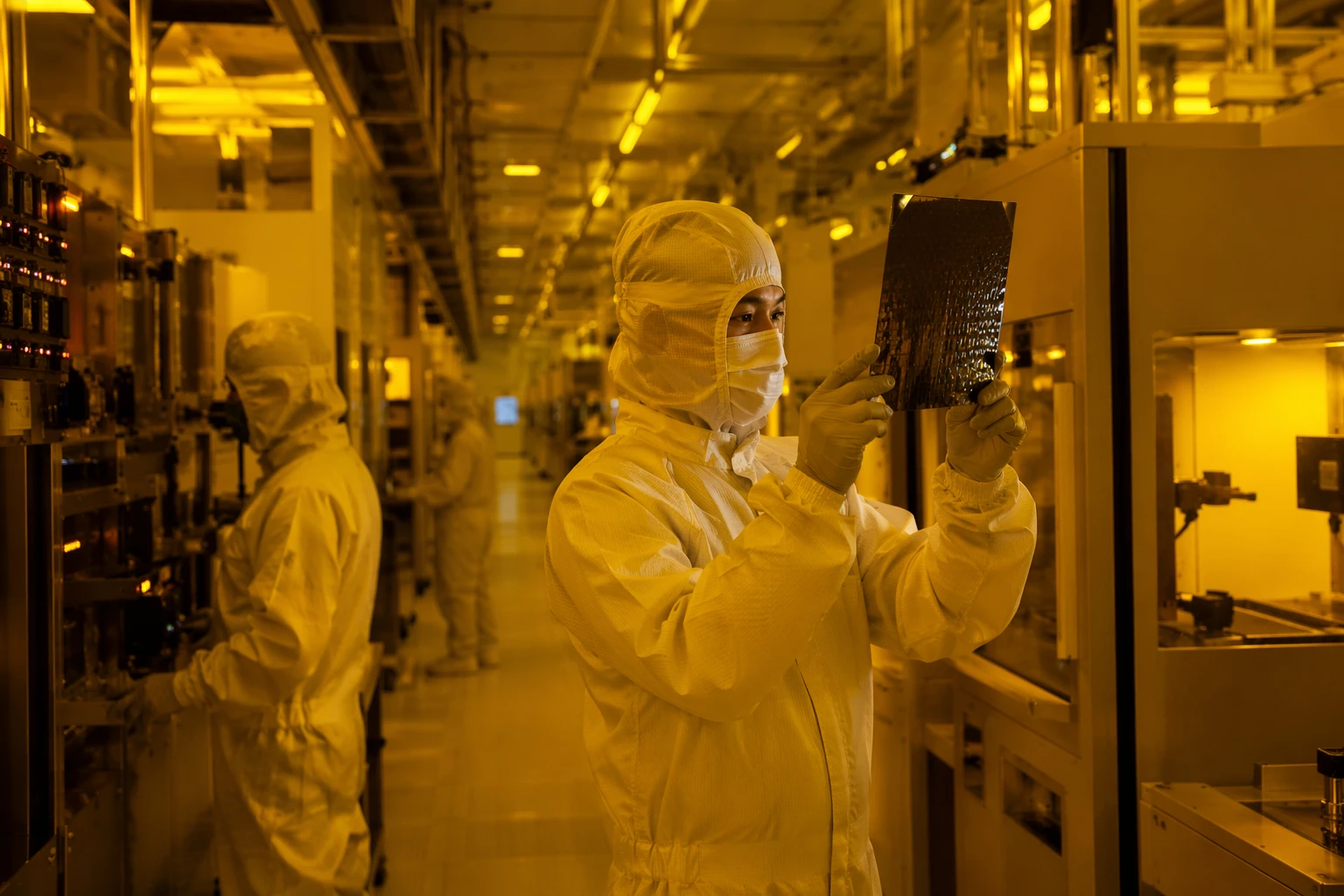
Memory chips sit inside smartphones, laptops, servers and the data-center hardware that supports AI services used by U.S. companies and consumers. As supply stays tight, chipmakers have more room to hold the line on prices, and higher costs flow through to cloud providers, device makers and the consumer electronics built around those components. Samsung has already raised prices on some memory chips as the global race to build AI data centres has intensified.
Investors initially took profits after the announcement, with Samsung shares falling nearly 5% at the open. The company said it will release its full detailed earnings later in July.
The company’s latest numbers show how the AI build-out is reshaping the semiconductor market from the bottom up. Samsung, the world’s largest memory chipmaker by sales, has been benefiting as demand for memory chips used in AI systems has outrun supply, especially high-bandwidth memory that powers advanced computing workloads. Operating profit in the same quarter a year earlier was 4.7 trillion won, underscoring how quickly the business has moved from a cyclical slowdown to a period of sharp pricing power.

Workers in the smartphone, television and home appliance division plan a rally on July 16 to protest the larger bonuses negotiated by semiconductor workers. Rival SK Hynix remains a key competitor as both chipmakers try to keep pace with surging demand from AI data-center builders.
Sources
- [1]bbc.co.uk
- [2]msn.com
- [3]cnbc.com
- [4]yahoo.com
- [5]reuters.com