Business
Samsung plans $648 billion South Korea investment over 10 years
Samsung Group is preparing to unveil a 1,000 trillion won, about $648 billion, 10-year investment plan in South Korea, a scale that would put the company at the center of the country’s industrial strategy. The announcement is expected at the presidential office in Seoul on Monday, June 29, in a meeting with President Lee Jae Myung.
The planned spending goes far beyond a routine expansion. The package is expected to include AI data centers, batteries and displays, while the largest single slice could go to semiconductor manufacturing. The Maeil Business Newspaper said the plan may include as much as 300 trillion won for chip factories in southwest South Korea, a region that has been trying to draw more advanced industry away from the capital.
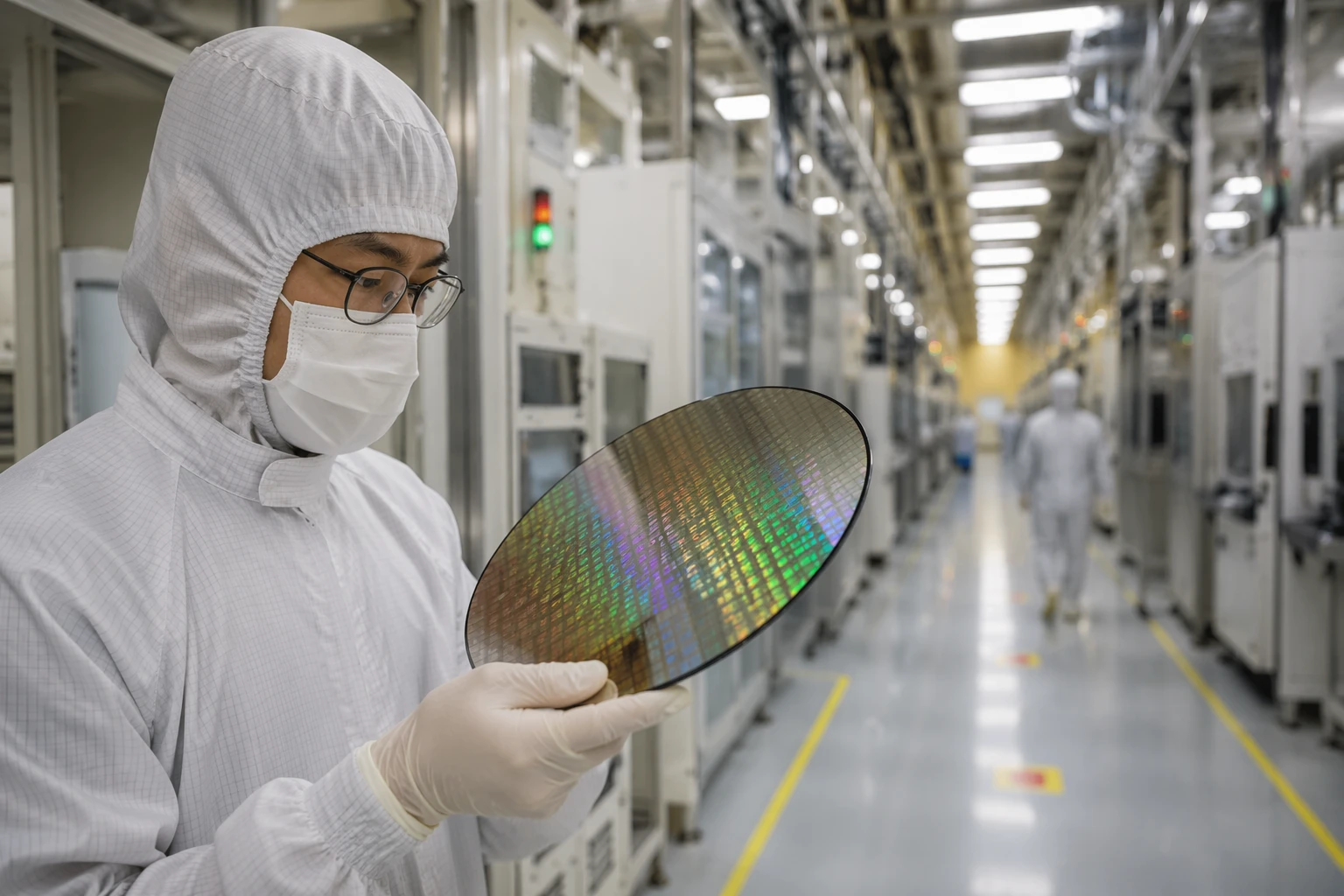
That geographic shift is the political point. Top executives from Samsung Electronics and SK Hynix are expected to attend the meeting and lay out their own regional investment plans, signaling that the government wants more of the country’s technology boom to reach places beyond Seoul and the surrounding metro area. The goal is to turn South Korea’s AI surge into a broader growth engine, not just a concentration of capital in the biggest corporate hubs.
The timing matters because Samsung Electronics and SK Hynix are both earning record profits, intensifying a debate over how those gains should be used. One part of that debate is whether the windfall should stay concentrated inside the country’s largest conglomerates or be pushed into wider regional development, where new fabs, power infrastructure and related supply chains could create jobs outside the capital.
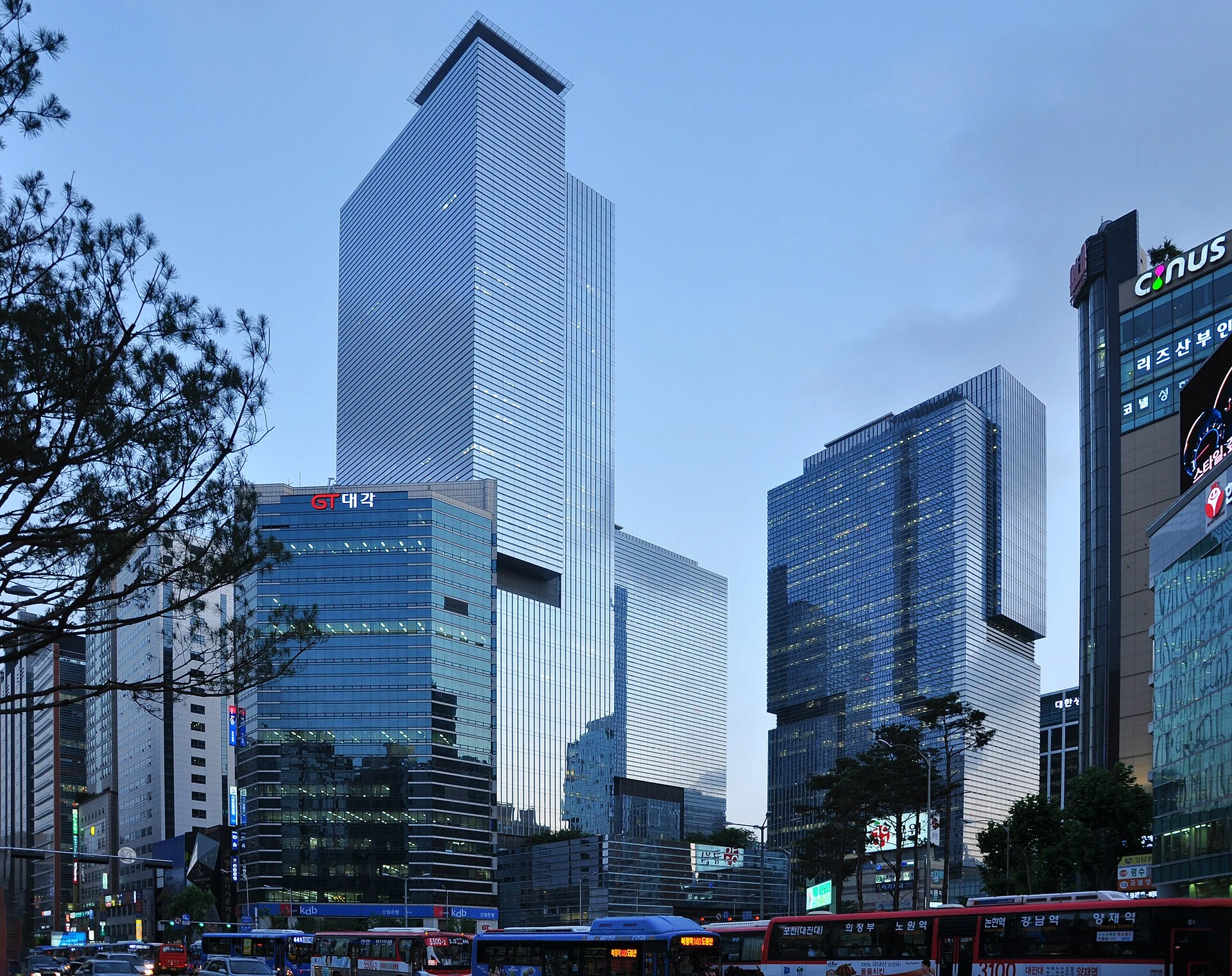
The size of Samsung’s pledge also carries a strategic message. One report described it as the largest domestic investment ever announced by a South Korean company, and another said the figure was equivalent to roughly half of South Korea’s GDP. If Samsung follows through, the plan would reinforce the country’s semiconductor and AI capacity at a moment when governments across Asia are trying to secure supply chains, attract high-value manufacturing and keep pace in the U.S.-China technology contest.
Sources
- [1]money.usnews.com
- [2]finance.yahoo.com
- [3]wdez.com
- [4]msn.com
- [5]mk.co.kr
- [6]asiaone.com