Technology
Samsung set for another record quarter as AI memory boom lifts profits
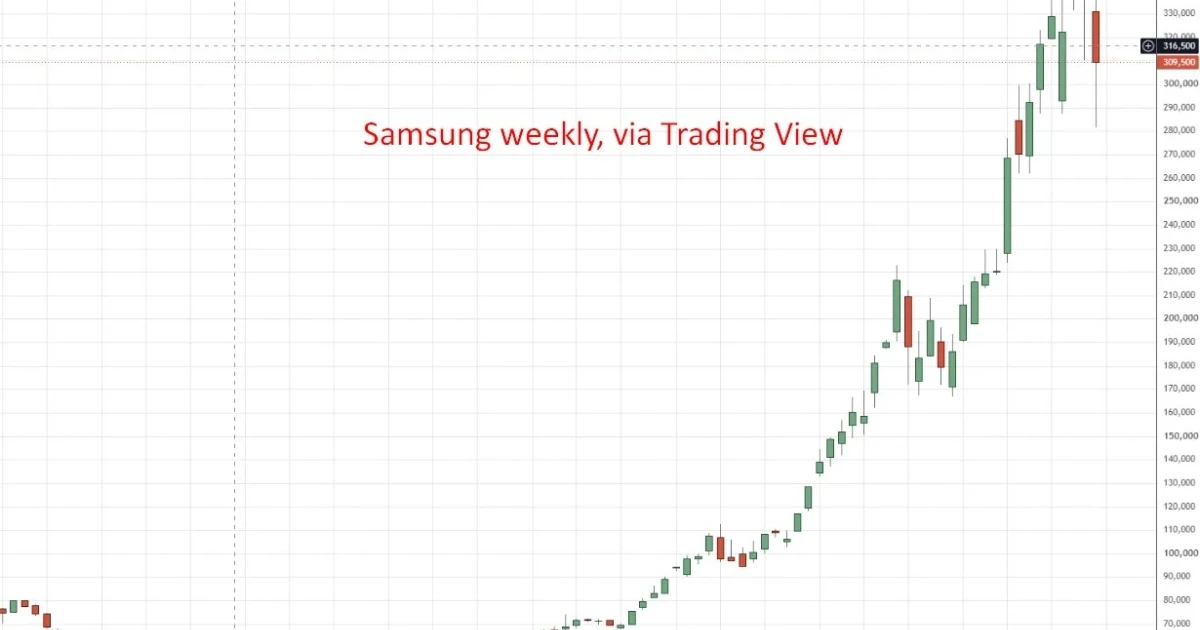
Samsung Electronics headed into its second-quarter earnings release with analysts expecting operating profit of about 86 trillion won, roughly 18 times a year earlier and a third straight record quarter. The AI buildout has tightened supply across the memory-chip market, with Samsung, the world’s largest memory chipmaker by sales, still sitting at the center of the supply chain for Nvidia, Google and Apple.
The earnings lift has been driven less by volume than by price. Citi Research estimated average selling prices for DRAM rose 44% in the second quarter from the first quarter, while NAND prices climbed 53% over the same period. That pricing power reflects a prolonged shortage in memory chips, and analysts expect the market to remain undersupplied at least through next year. For Samsung, that has meant stronger margins just as demand is shifting beyond training giant AI models and into inference infrastructure, where systems need memory not only for computation but for day-to-day operation.
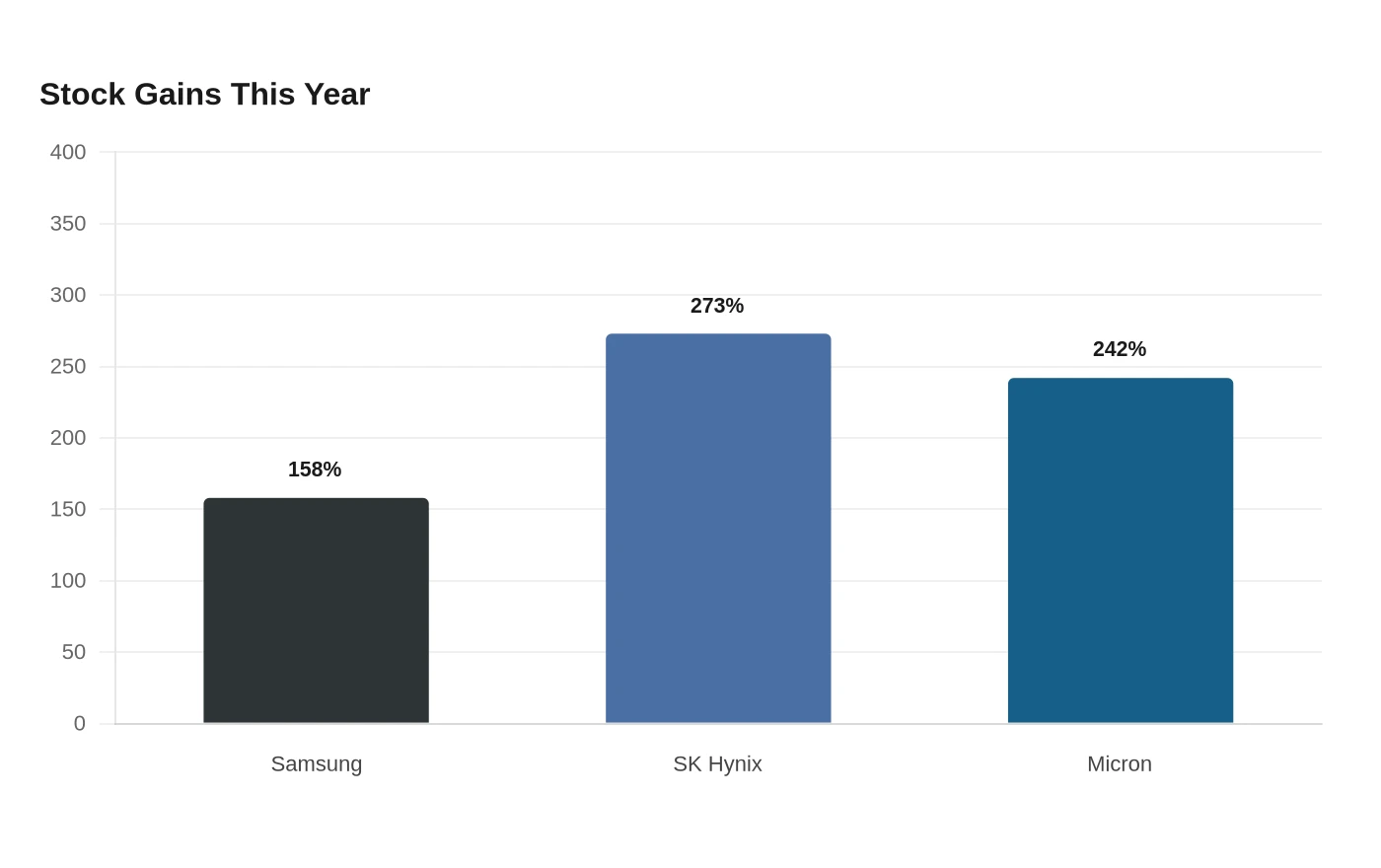
The market reaction has spread well beyond Seoul. Samsung Electronics, SK Hynix and Micron have all surged this year, with gains of 158%, 273% and 242%, respectively, pushing each company’s valuation above $1 trillion.
JPMorgan estimated that AI memory will account for 52% of cloud providers’ capital expenditure this year and more than 70% next year, a sign that the chip mix inside hyperscaler budgets is tilting sharply toward memory. IDC forecasts the global semiconductor market will reach $1.29 trillion in 2026, while DRAM revenues nearly triple to $418.6 billion as high-bandwidth memory and DDR demand rises from hyperscalers and AI infrastructure providers.
Samsung’s operating profit still faced one possible drag: a larger-than-expected bonus provision could weigh on net earnings.
Sources
- [1]money.usnews.com
- [2]idc.com