Technology
Samsung to charge developers for SmartThings API access

Samsung will begin charging for SmartThings API access in the coming months, rolling out a $4.99 monthly plan for non-commercial, individual developers and separate paid tiers for commercial users. The change puts a price on a layer that has helped third-party apps and services connect to SmartThings devices.
The company said the shift is meant to keep the SmartThings API “capable, reliable, and secure” as the platform scales. SmartThings also said the update will not affect the millions of people who use the SmartThings app with thousands of Works with SmartThings partner devices, drawing a line between everyday consumers and the developers who build on top of the platform.

SmartThings has spent years positioning itself as more than a device-control app. The company says the platform has grown into one of the smart home industry’s most robust orchestration layers, with more than 460 million registered users and hundreds of Works with SmartThings partner brands. Its API serves as the gateway between third-party apps and the broader ecosystem, which makes any new fee especially consequential for the developers and advanced users who rely on direct access for automations, cloud-to-cloud links and niche integrations.
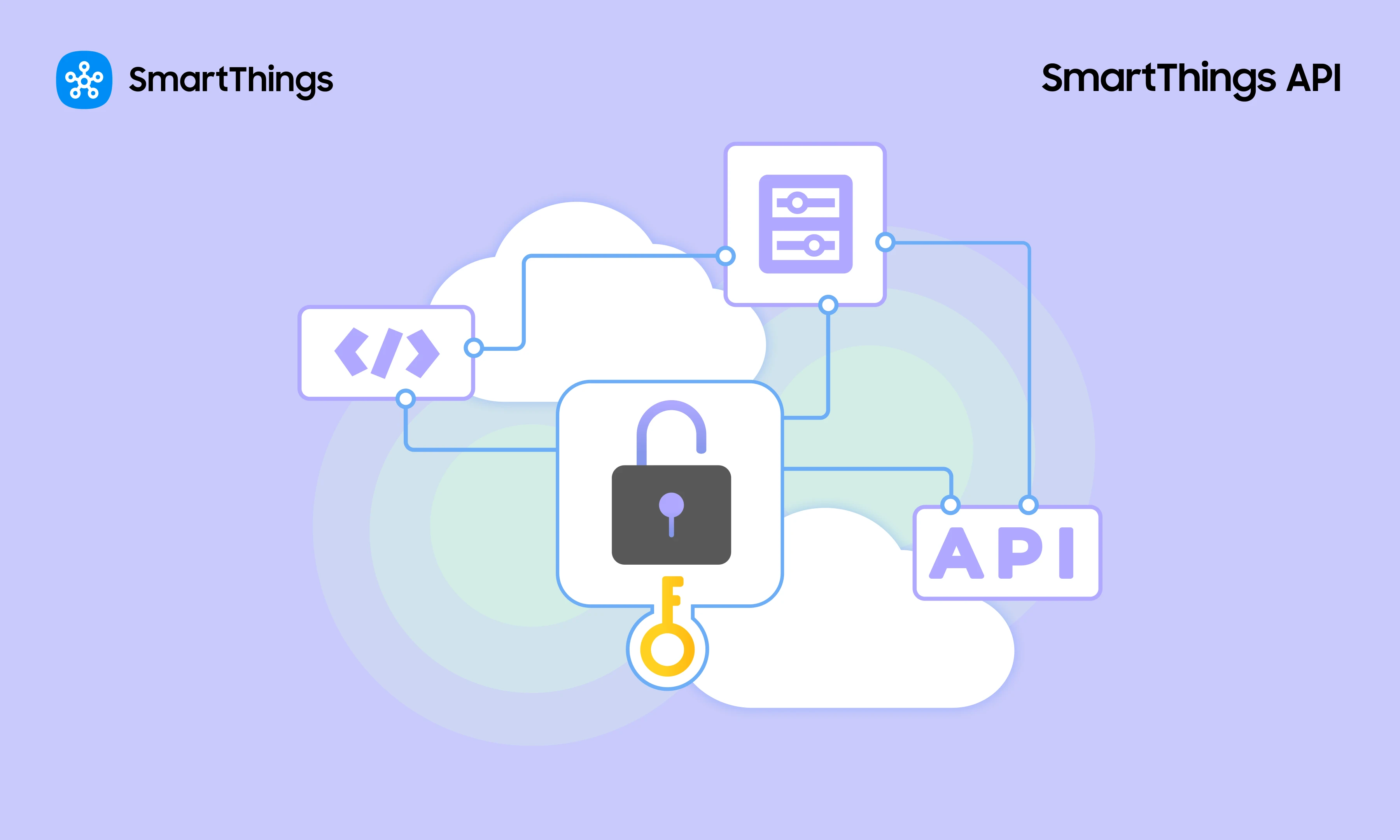
That access matters because the SmartThings stack reaches well beyond a phone app. Samsung’s SmartThings Home API, announced at SDC 2023, is designed to let developers build Matter and IoT applications on SmartThings infrastructure, and Samsung has said SmartThings cloud can support Matter devices connected to any of 1.7 million SmartThings hubs worldwide. Samsung’s Matter and hub materials also show the platform tied into Samsung TVs, Family Hub refrigerators, smart monitors and mobile chargers.

The move is likely to hit hardest in corners of the smart home where interoperability is already fragile. Home Assistant’s SmartThings integration documentation says some device features are available only in the SmartThings app and are not exposed through the API, underscoring how much functionality can depend on platform access. For consumers who depend on those integrations, Samsung’s new pricing tier is more than an accounting change: it is another reminder that the connected home is increasingly controlled by companies deciding which links stay open and which become paid gates.