Technology
Samsung unveils next-generation AI memory to bolster chip lead
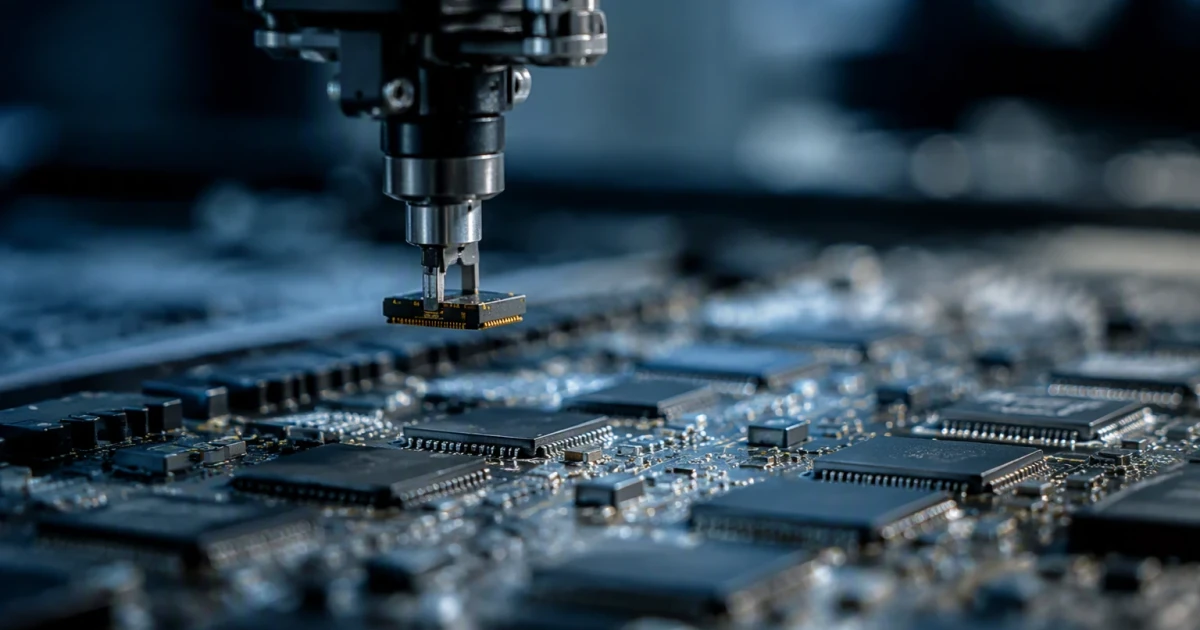
Samsung Electronics introduced a new generation of artificial intelligence memory technology on Tuesday, Aug. 4, 2026, aiming to reinforce its chipmaking lead in the booming AI market. The launch puts a spotlight on a problem that has become central to the industry: even the fastest AI accelerators can be slowed if the memory feeding them cannot move data quickly enough, efficiently enough, or in large enough volumes.
Samsung has been building that case for months. At FMS 2025, the company laid out an AI memory and storage vision that went beyond a single product cycle and into the architecture of future data centers. Its materials named zHBM, zNAND-O and V10 BV-NAND, a NAND product described as having 400-plus layers. Samsung described zHBM as Zero-latency High Bandwidth Memory designed for ultra-high-speed AI, a sign that the company is trying to compete on the infrastructure behind AI, not just on processors themselves.
The company also moved to deepen its ties to the AI accelerator market. On Oct. 31, 2025, Samsung Electronics said it was in talks with Nvidia to supply next-generation HBM4 chips. A day earlier, Samsung said it would mass produce its most advanced high-bandwidth memory chips to tap the AI boom, expecting demand to far outstrip supply as cloud builders and chipmakers raced to expand their infrastructure. Those moves showed Samsung trying to turn memory into a strategic lever in a market where capacity is as important as speed.
That shift matters because memory is no longer a commodity afterthought. In AI systems, bandwidth, power consumption and packaging have become hard limits on performance. Faster memory can help training jobs move larger data sets more quickly, reduce inference latency when models answer requests, and trim electricity use inside data centers where operating costs are rising fast. For operators building out server farms, those gains can translate into lower bills and better utilization of expensive hardware.
Samsung, based in South Korea, faces intense competition from other memory suppliers and from the broader AI infrastructure stack, but its latest push signals a clear bet: whoever solves the memory bottleneck first will have an advantage with cloud platforms, server makers and AI chip designers. The company’s 2025 and 2026 announcements show it is trying to extend that advantage into stacked and 3D memory technologies built for the next wave of AI computing.