Politics
San Francisco voters reject higher tax on overpaid CEOs
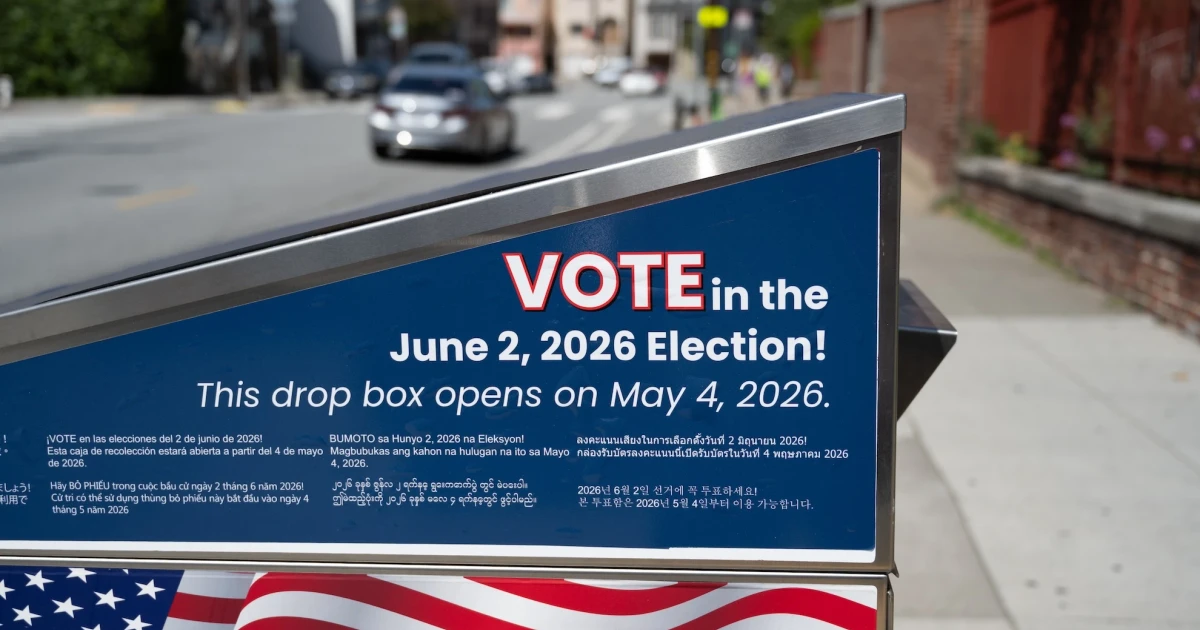
San Francisco voters rejected Measure D, the Overpaid CEO Act, by 53.64% to 46.36%, halting an effort to squeeze more revenue from companies that pay their top executives at the highest levels. The defeat came as the city wrestled with the question of whether the A.I. boom should translate into a bigger tax bill for business or a warning sign that employers could move elsewhere.
Measure D would have rewritten the city’s top executive pay tax by changing how the median employee compensation was calculated. Instead of using only San Francisco-based workers, the city would have counted all employees companywide, a change that would have pushed some affected businesses to tax rates as high as 1.121% of gross receipts, up from a range beginning at 0.183%. The ballot title estimated the measure could have raised $250 million to $300 million a year.

Supporters, including local labor unions and progressive groups, said the money was needed to shore up city services as federal funding cuts hit and the city faced a major budget shortfall. The proposal was also backed by organizers who argued that a city benefiting from tech wealth should ask more of the companies and executives profiting most from the boom. Backers gathered more than 21,000 signatures to qualify the measure for the ballot.
Opposition came from Mayor Daniel Lurie, the San Francisco Chamber of Commerce, the Bay Area Council and GrowSF. They argued that a sharper tax would make it harder to keep employers in San Francisco and could weaken the city’s economic recovery just as it was trying to rebuild after years of disruption. The fight over Measure D became a test of whether voters wanted to press businesses harder or avoid new taxes that critics said could chill investment.
The vote also fit into a longer arc. San Francisco first approved the overpaid executive tax in 2020, and it took effect on January 1, 2022. In November 2024, voters approved Proposition M, which lowered some business taxes and partially rolled back the earlier executive-pay structure. Measure D would have pushed in the opposite direction, reopening a debate over how much big companies should pay to support city government. For now, the city keeps the earlier tax framework and must look elsewhere to close its gap.
Sources
- [1]nytimes.com
- [2]kqed.org
- [3]ballotpedia.org
- [4]californiainsider.com
- [5]missionlocal.org