World
Sanctioned Chinese Tanker Crosses Strait of Hormuz Amid US Blockade
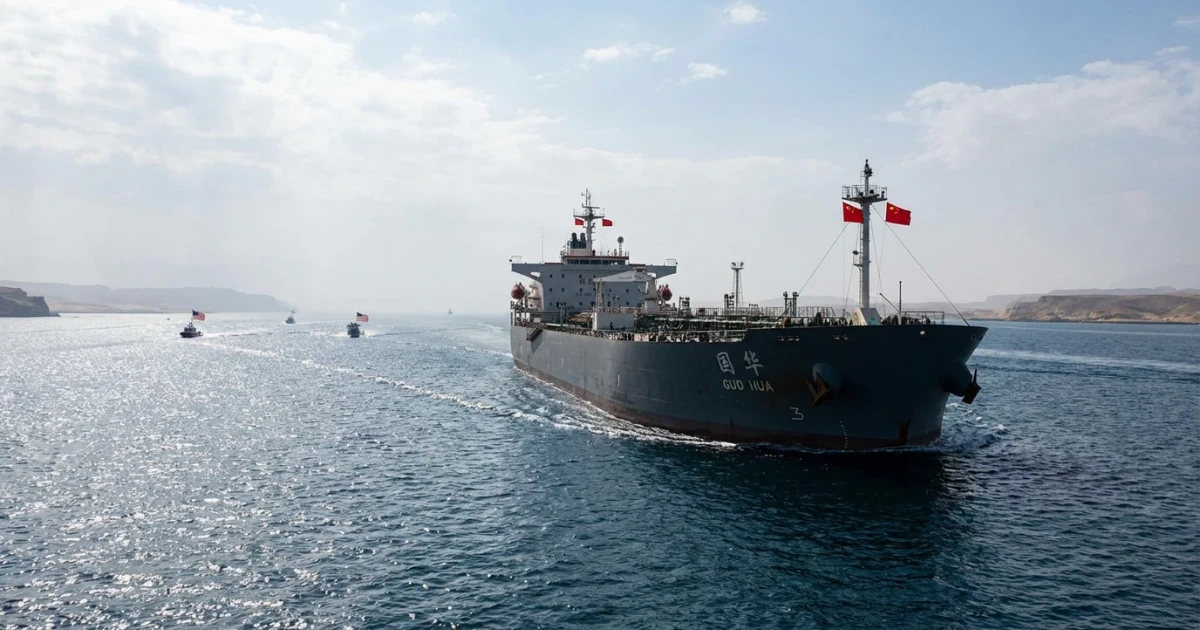
A US-sanctioned Chinese oil tanker has successfully transited the Strait of Hormuz, defying ongoing American attempts to enforce a maritime blockade on blacklisted vessels in one of the world’s most strategically significant shipping lanes, according to vessel tracking data and industry reports.
Sanctioned Vessel Navigates Key Chokepoint
Reuters reported that the tanker, which appears on the US Department of Treasury’s OFAC sanctions list, passed through the Strait of Hormuz in direct challenge to US-imposed restrictions. The waterway, responsible for roughly 20% of global oil transit, has seen heightened tension as the US intensifies sanctions enforcement, particularly against Chinese and Iranian-flagged tankers.
- The tanker’s passage was confirmed by live vessel tracking data, which showed its route from the Persian Gulf toward international waters.
- Despite the US blockade, no enforcement action was taken to stop the vessel during its crossing, highlighting the complexities involved in direct interdiction without escalation.
- The ship’s sanctioned status is publicly documented in official US government records.
Strategic and Diplomatic Implications
The Strait of Hormuz remains a focal point for maritime security and international diplomacy. The US has increased its naval presence in the region, aiming to deter sanctioned shipments—particularly those carrying Iranian oil to Asian markets. However, as demonstrated by this transit, enforcement faces practical limitations when vessels operate in international waters or under the protection of foreign navies.
Industry analysts note that the use of flagged vessels from countries with strong diplomatic ties, like China’s relationship with Iran, complicates enforcement. Sanctioned tankers often operate with minimal tracking signals or under different names and registries, further challenging efforts by the US and its allies to interdict their movement.
Context: Sanctions, Compliance, and Global Oil Trade
The movement of sanctioned vessels through the Strait of Hormuz has broader implications for global energy markets and the effectiveness of economic restrictions. As highlighted in Lloyd’s List tanker market data, the strait is a chokepoint for crude shipments from the Middle East to Asia, Europe, and beyond. Disruptions or increases in sanctioned traffic can affect oil prices and diplomatic relations.
- According to the United Nations Security Council, international sanctions rely on cooperation among member states and compliance by shipping registries and insurers.
- Databases like Global Trade Alert track the proliferation and impact of sanctions on maritime trade, showing an uptick in evasive tactics in recent years.
Looking Ahead: Enforcement Challenges and Regional Tensions
This latest passage underscores the challenges facing US and allied efforts to police maritime sanctions. With the Strait of Hormuz remaining a vital energy corridor, further confrontations or diplomatic negotiations may arise as sanctioned vessels continue to test the limits of enforcement. The situation also highlights the importance of multilateral cooperation and advanced tracking technology in monitoring sanctioned tanker traffic in real time.
For readers seeking more information, the Council on Foreign Relations provides additional background on the strategic significance of the Strait of Hormuz and recent incidents involving sanctioned vessels.