Science
Satellite Mirror Projects Raise Alarms Over Night Sky and Wildlife
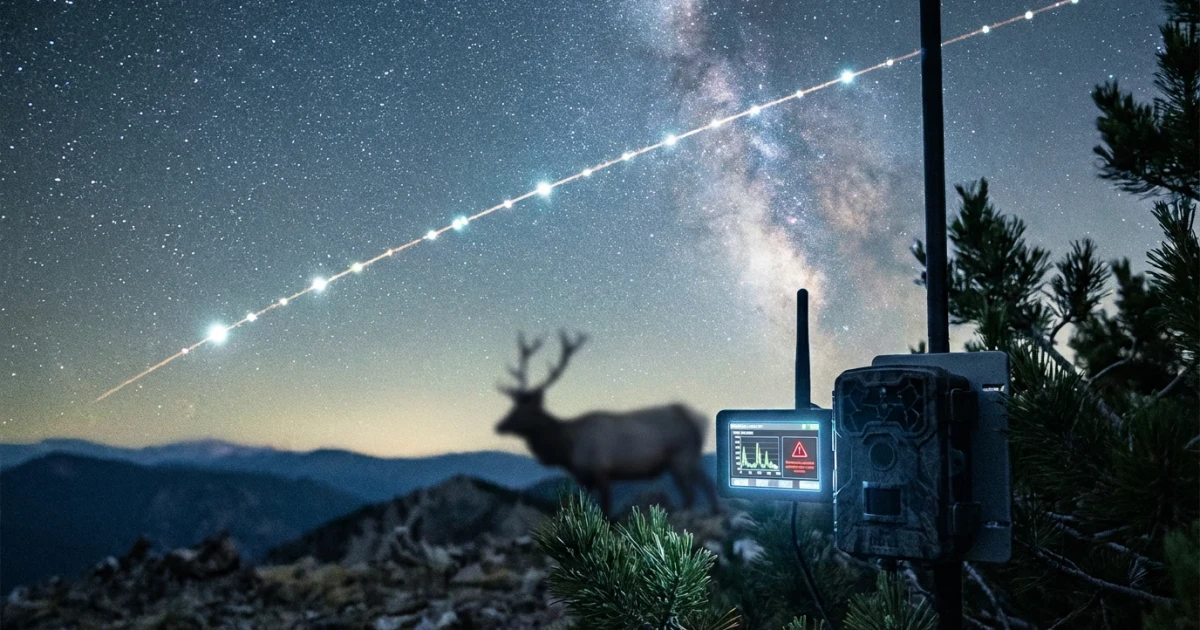
Plans for vast satellite mirror constellations have sparked concerns among scientists and environmental experts, who warn that these projects could have far-reaching effects on the natural night sky, human sleep patterns, and ecosystems around the world.
Ambitious Plans Spark Scientific Warnings
Recent announcements about deploying up to one million AI-controlled satellite mirrors and 50,000 additional space-based devices have intensified debate in the scientific community. The Guardian reports that these proposed satellites, designed to reflect sunlight to Earth, could dramatically increase light pollution and fundamentally alter the way both people and animals experience nighttime darkness.
Potential Impact on the Night Sky
Experts fear that the proliferation of reflective satellites could lead to significant skyglow, making it difficult for astronomers to observe the universe and for the public to enjoy natural nightscapes. According to a recent Nature study, the cumulative effect of satellite constellations is already increasing sky brightness, and further deployments could make the Milky Way invisible to much of the world’s population. The International Astronomical Union underscores that "the night sky is a part of humanity’s shared heritage," and its alteration could be permanent if these plans proceed unchecked.
- Global light pollution levels have already increased by over 10% per decade in some regions.
- Current satellite catalogs on Space-Track.org document thousands of active satellites, with numbers poised to grow exponentially.
Consequences for Human Health and Sleep
Artificial light at night is closely linked to disruptions in human circadian rhythms, with studies showing increased risks of insomnia, depression, and metabolic disorders when natural darkness is compromised. Scientists cited by The Guardian warn that satellite mirrors could amplify these effects on a global scale, especially in rural areas that currently enjoy dark skies.
Risks to Wildlife and Ecosystems
The ecological impact of artificial light extends beyond humans. Research published on ScienceDirect highlights how nocturnal animals—including birds, insects, and amphibians—rely on natural darkness for navigation, foraging, and reproduction. Satellite-generated skyglow could disrupt migration patterns and predator-prey relationships, threatening nocturnal species worldwide.
- Data from the Global Biodiversity Information Facility confirms that many species are highly sensitive to even small increases in night-time illumination.
- Nesting, mating, and migration cycles for key wildlife could be thrown off by artificial skyglow.
Regulatory Uncertainties and Calls for Action
While satellite operators are required to file plans with agencies like the FAA, environmental assessments of large-scale mirror constellations remain limited. Scientists and advocacy groups are urging international cooperation to regulate the deployment of reflective satellites and protect the world’s night skies for future generations.
As the debate intensifies, researchers continue to study the cumulative impacts of artificial light from space and call for robust policies to safeguard both astronomical research and ecological health. The outcome of these discussions will shape the future of how humanity interacts with the night sky—and with the natural world itself.