World
Saudi Arabia joins U.S. strikes on Iran-backed groups in Iraq
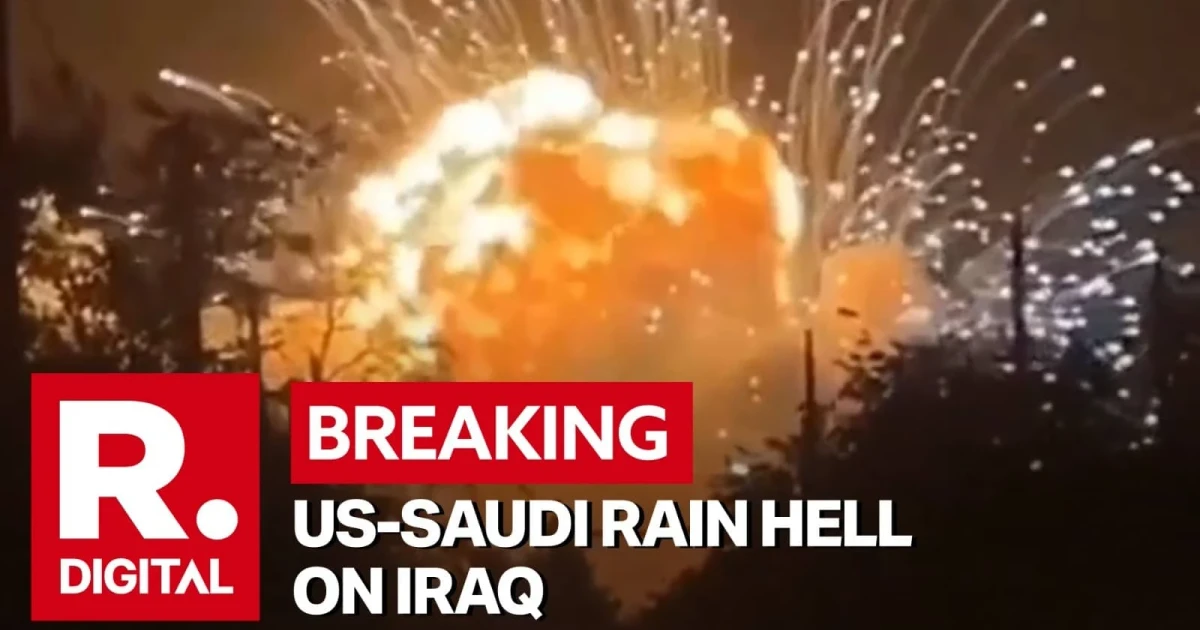
U.S. Central Command said U.S. and Saudi forces carried out joint precision strikes in eastern Iraq on July 28, hitting multiple logistics and weapons facilities used by Iran-aligned groups. The operation followed more than 30 drone attacks over the previous 72 hours, including strikes aimed at U.S. forces and Saudi energy infrastructure, and it marked Saudi Arabia’s direct entry into the widening U.S.-Iran conflict.
CENTCOM said the sites belonged to groups directed by Iran’s Islamic Revolutionary Guard Corps and used for attacks on U.S. personnel. Saudi Arabia said the strikes were conducted in coordination with the U.S. military, and Saudi state media said the Saudi armed forces were acting under the right of self-defense guaranteed by international law.
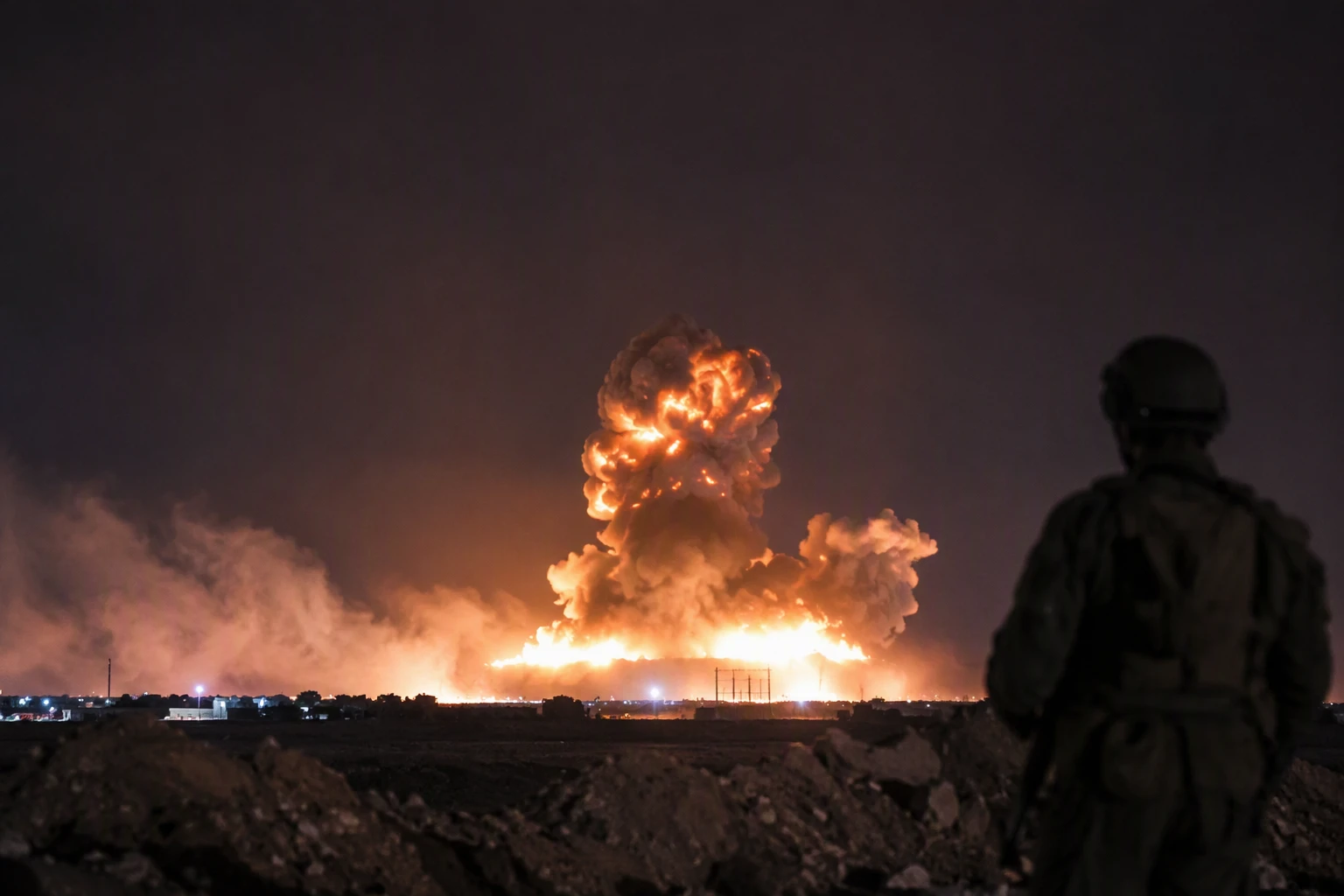
The blow landed inside Iraq, where some reports identified the target as a Popular Mobilization Forces site in Bartella, in Nineveh province. Images from the area showed damage at a PMF position after the attack. The PMF said at least 20 of its members were killed and 32 wounded, while other reports put the death toll at 10 militants; several social media posts also claimed that Iranians were among the dead, but those figures remained disputed.
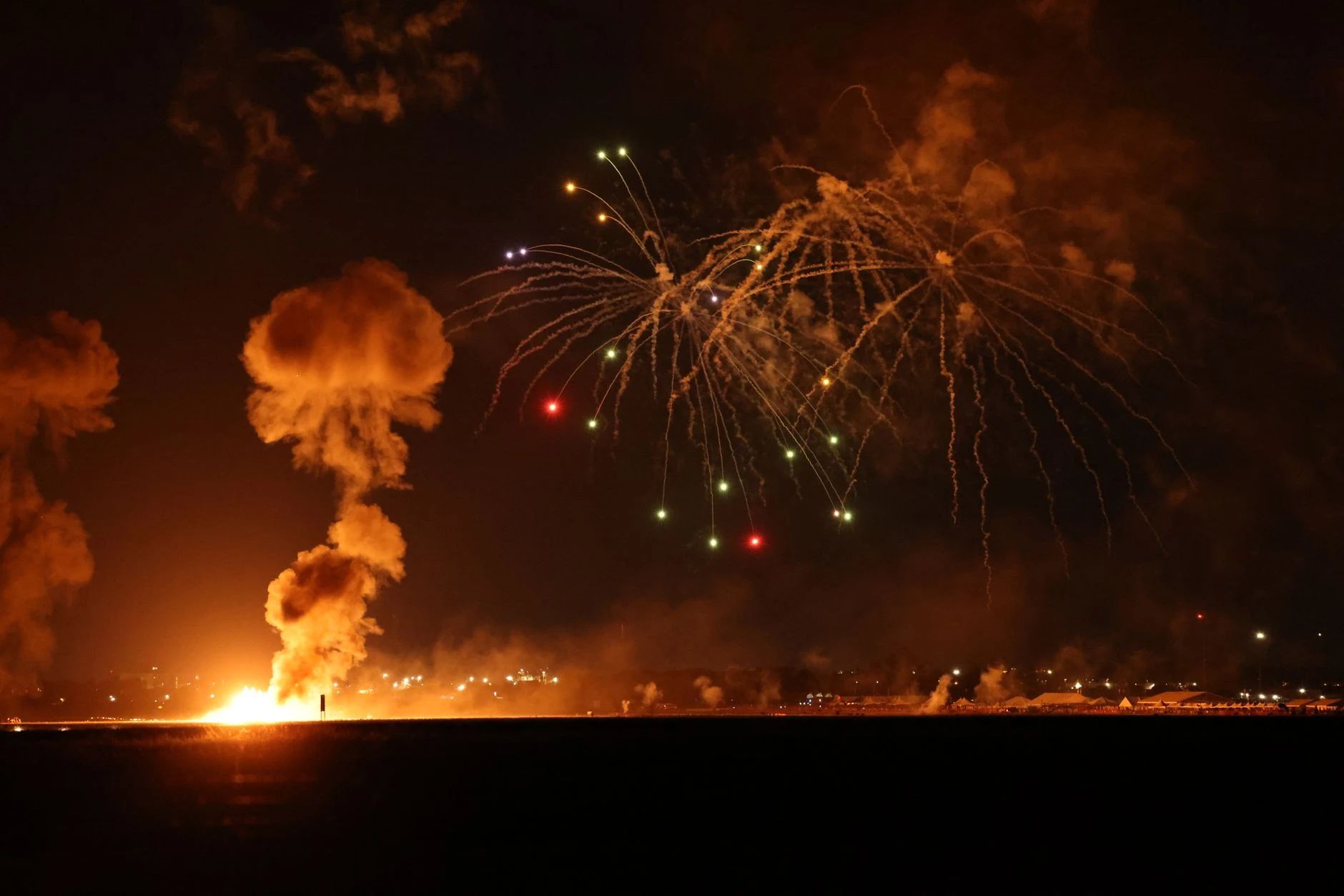
The Iraqi reaction underscored the sovereignty issue at the center of the strike. The PMF and other Iran-backed armed groups condemned the attack as a dangerous escalation, because the operation was not confined to a remote frontier or an ungoverned desert but hit infrastructure on Iraqi soil, inside a force that is part of Iraq’s official security architecture. That is what makes the Saudi role more than another exchange of fire: it brought a Gulf state into direct strikes against militia targets in Iraq, alongside the United States.
Saudi Arabia had already been pulled closer to the conflict. On July 28, it said drones launched from Iraq and aimed at oil facilities were intercepted, tying the Iraq-based militia threat directly to Saudi energy security. In May, Saudi Arabia also carried out covert attacks on Iran as the regional war widened, showing how quickly the conflict had been moving beyond proxy attacks toward open regional confrontation.
Sources
- [1]nytimes.com
- [2]reuters.com
- [3]centcom.mil
- [4]aa.com.tr
- [5]spa.gov.sa
- [6]aljazeera.com
- [7]iranintl.com
- [8]jpost.com
- [9]dw.com
- [10]cbsnews.com